
The Commercial Value of Architectural Membranes
For facility developers and B2B procurement managers, evaluating a shade solution goes far beyond aesthetics. A heavy, traditional concrete or steel roof involves massive logistical hurdles, deep foundation requirements, and long construction timelines that delay facility openings.
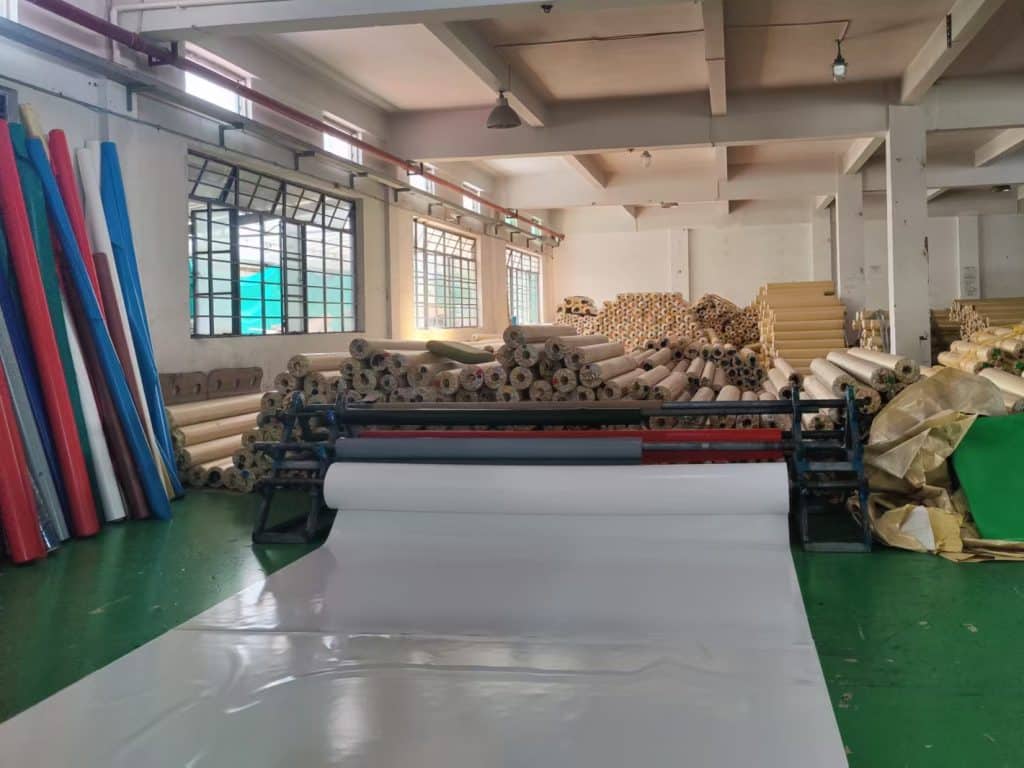
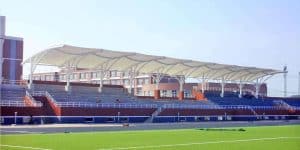
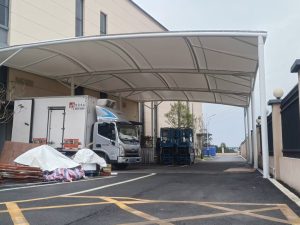
Transitioning to tensile fabric structure canopies solves these pain points. By utilizing high-strength, lightweight architectural fabrics tensioned over a galvanized steel frame, developers achieve a clear span sports roof or commercial canopy with minimal foundation costs. The result is a structure that is faster to deploy, highly durable against extreme weather, and optimized for long-term operational efficiency.
Lifespan and Cost Breakdown Comparison
A frequent challenge for buyers is balancing the initial commercial canopy installation cost against long-term maintenance. Understanding the true tensile structure lifespan is critical for accurate CAPEX and OPEX planning.
| Roofing System | Average Lifespan | CAPEX Profile | Maintenance Requirements |
|---|---|---|---|
| PVDF Fabric Canopy | 15–20 Years | Highly Cost-Effective | Low. Self-cleaning properties reduce washing frequency. Standard bi-annual inspection. |
| PTFE Fabric Structure | 30+ Years | Premium Investment | Extremely Low. Highly inert, immune to UV degradation and urban pollution. |
| Traditional Steel Roof | 20–25 Years | High (Heavy Foundation Needed) | High. Prone to rust, requires repainting, and thermal expansion joint maintenance. |
Common Procurement Mistakes to Avoid
Sourcing a commercial membrane roof involves specific engineering requirements. Avoiding these common B2B purchasing errors will protect your budget and structural integrity:
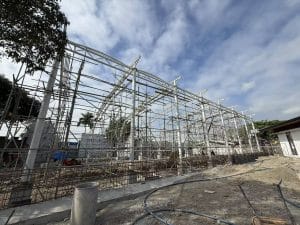
- Fragmenting the Supply Chain: Buying the fabric from one supplier and hiring a local steel workshop to build the frame often results in catastrophic alignment failure. The membrane and steel must be engineered and form-found together by a single qualified tensile roof manufacturer.
- Ignoring Light Transmission Data: A major advantage of fabric roofing is natural daylighting (reducing electricity costs). Specifying an opaque or overly thick fabric blocks this benefit, turning the space underneath into a dark, uninviting cavern.
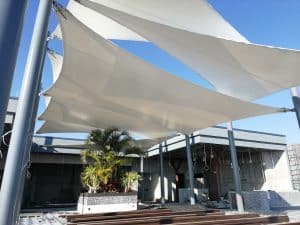
- Overlooking Tensioning Details: Inadequately tensioned fabric will flap in the wind, leading to structural fatigue and water pooling. Ensure your contract specifies strict bi-axial tensioning standards during the installation phase.
Secure Your Infrastructure Investment
A reliable tensile canopy balances high-end aesthetics with rigorous structural engineering. Partnering with a specialized manufacturer ensures your project avoids hidden costs, withstands local environmental loads, and delivers a superior return on investment.