
Essential Pre-Installation Guide for Commercial Tensile Carports
The Engineering Reality of On-Site Execution
A successful commercial parking shade project is not determined on the day the fabric is tensioned—it is won during the pre-installation phase. For developers and facility managers, poor site preparation directly translates to costly equipment downtime, prolonged traffic disruption, and compromised structural integrity.
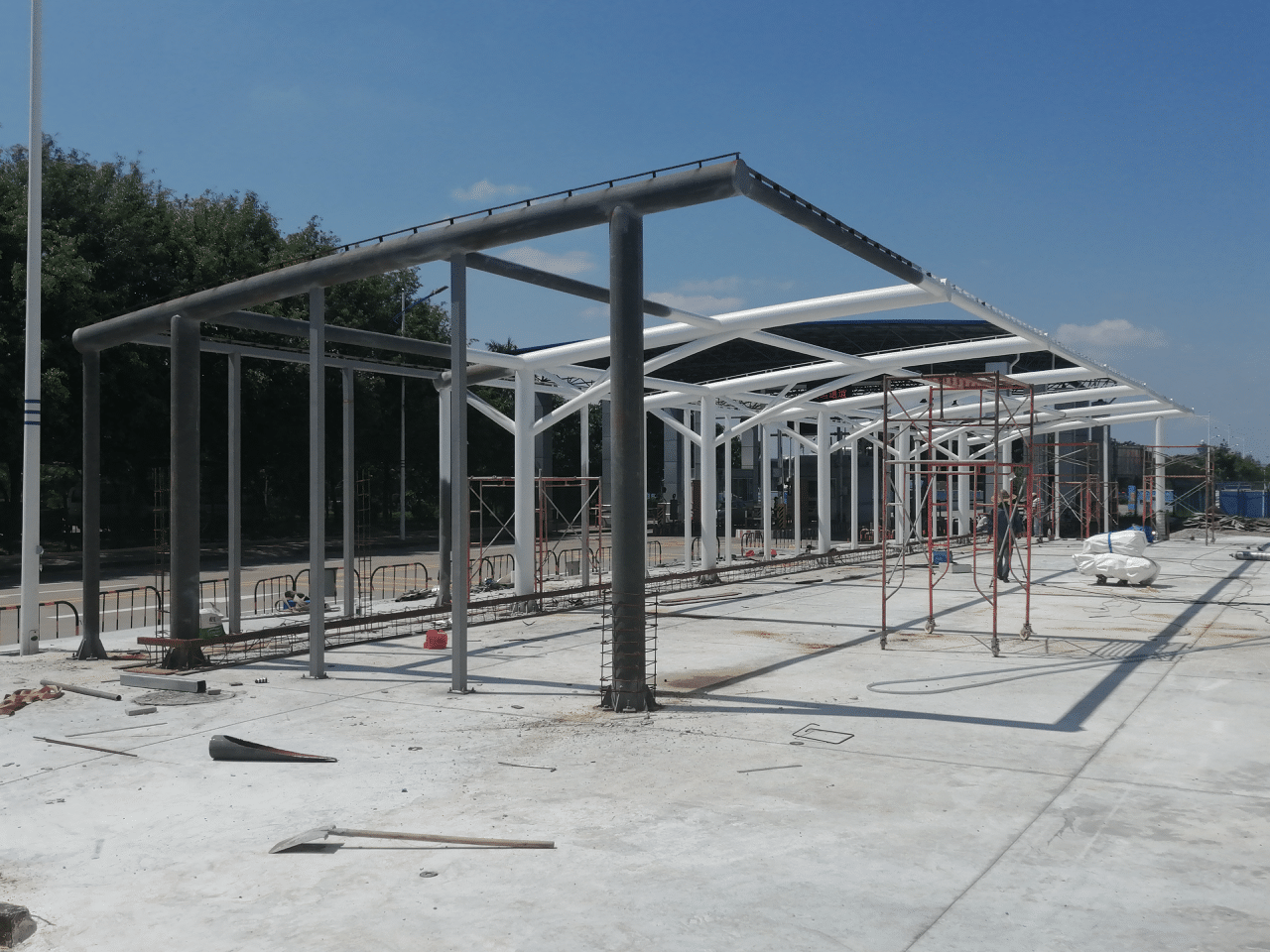
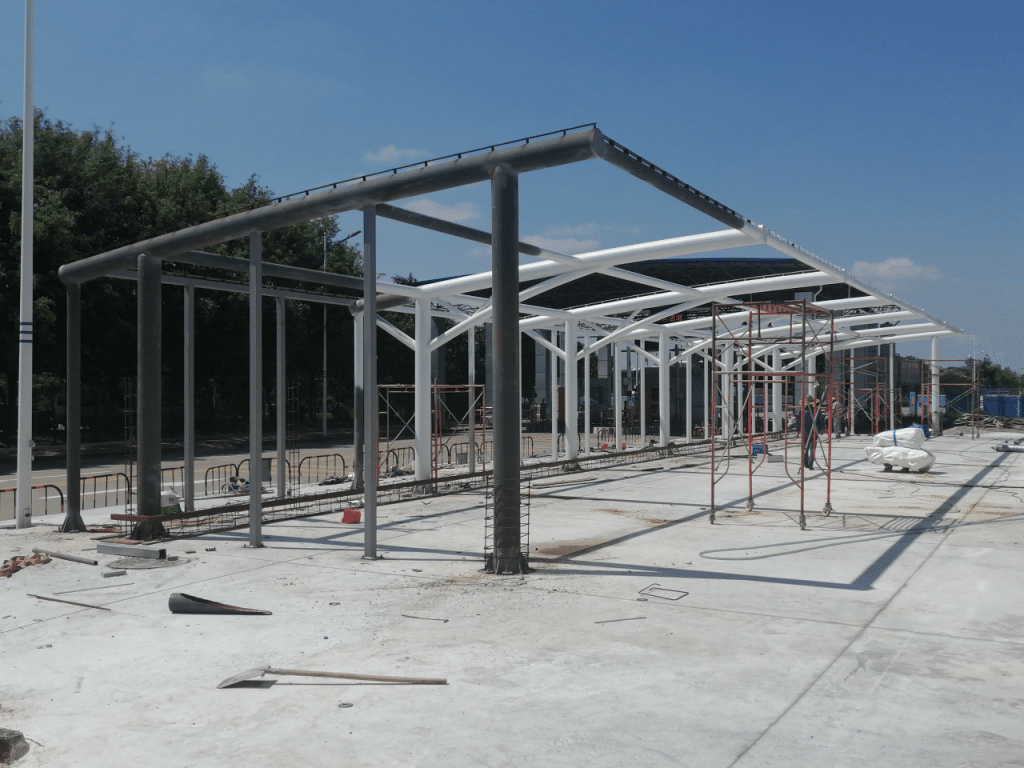
Before deploying a heavy-duty tensile carport, the transition from factory fabrication to on-site assembly must be meticulously planned. A systematic preparation protocol ensures that steel components, membrane fabrics, and installation personnel are synchronized, preventing delays that inflate the overall parking canopy installation cost.
1. Precision Surveying of Embedded Components
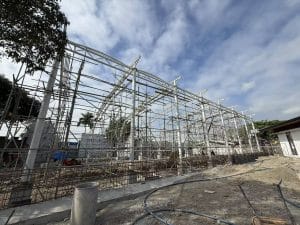
The foundation is where the majority of installation discrepancies originate. Before the primary steel frame is delivered to the site, surveyors must strictly verify the embedded anchoring systems.
Surveyors are required to check the longitudinal and lateral axis coordinates, elevation levels, and bolt alignments of all concrete footings. Documenting these measurements allows the engineering team to make necessary micro-adjustments to the steel frame carport fabrication before on-site welding or bolting begins, ensuring a perfectly plumb and structurally sound canopy.
2. Logistics, Inspection, and Material Readiness
Prior to mobilization, a unified logistics strategy must be established for transporting both the prefabricated steel and the rolled architectural membrane. Separating these deliveries without a coordinated schedule often leads to bottlenecks.
Once materials arrive from your heavy duty parking shade supplier, immediate on-site inspection is mandatory. Quality assurance personnel must verify the geometric tolerances, the integrity of the anti-corrosion coating, weld quality certificates, and ensure that the fabric membrane has not suffered transit abrasion.
Common Mistakes to Avoid During Installation Setup
Overlooking standard operational procedures during mobilization introduces unnecessary risk to both the workforce and the structural asset. Avoid these critical pre-installation errors:
- Unverified Personnel Qualifications: Assuming all local contractors can handle tensile architecture is dangerous. Pre-job training is mandatory, and all welders must possess valid certifications for structural steel (including butt and fillet welding) before striking an arc.
- Neglecting Equipment Calibration: Surveying tools, tensioning winches, and welding machines must be inspected and calibrated at least five days prior to construction. Relying on uncalibrated equipment guarantees alignment flaws.
- Failing to Establish a Clean Staging Area: Architectural membranes are highly susceptible to punctures and staining during the unrolling process. A dedicated, debris-free staging zone must be established with protective ground covers before the fabric is unpacked.
Ensure a Flawless Construction Rollout
Professional installation is just as critical as high-quality manufacturing. Jutent provides comprehensive project management and rigorous pre-installation protocols, ensuring your commercial parking shade is erected safely, precisely, and on schedule.