

Key Takeaways
- ✅ Proper design and engineering are critical for wind resistance.
- ✅ Material quality and adherence to standards ensure structural integrity.
- ✅ Installation precision significantly impacts performance during typhoons.
- ✅ A responsible engineering mindset guarantees long-term durability.
Typhoon season brings inevitable concerns for outdoor structures, especially for owners of tensile fabric roofs. Many ask: “Can the structure withstand a Category 12 typhoon? Or even the strongest typhoon recorded in history, like the 17th typhoon?” At Jutent, our approach ensures that tensile awning and roof structures are engineered to endure extreme weather while maintaining safety and durability.
Engineering Perspective: Design First
Wind resistance starts at the design stage. Jutent always follows national standards for tensile structures to calculate wind loads, tension distribution, and anchoring requirements. In high-risk typhoon areas, the design incorporates safety coefficients beyond minimum code requirements, ensuring that the structure remains stable under extreme wind pressure.
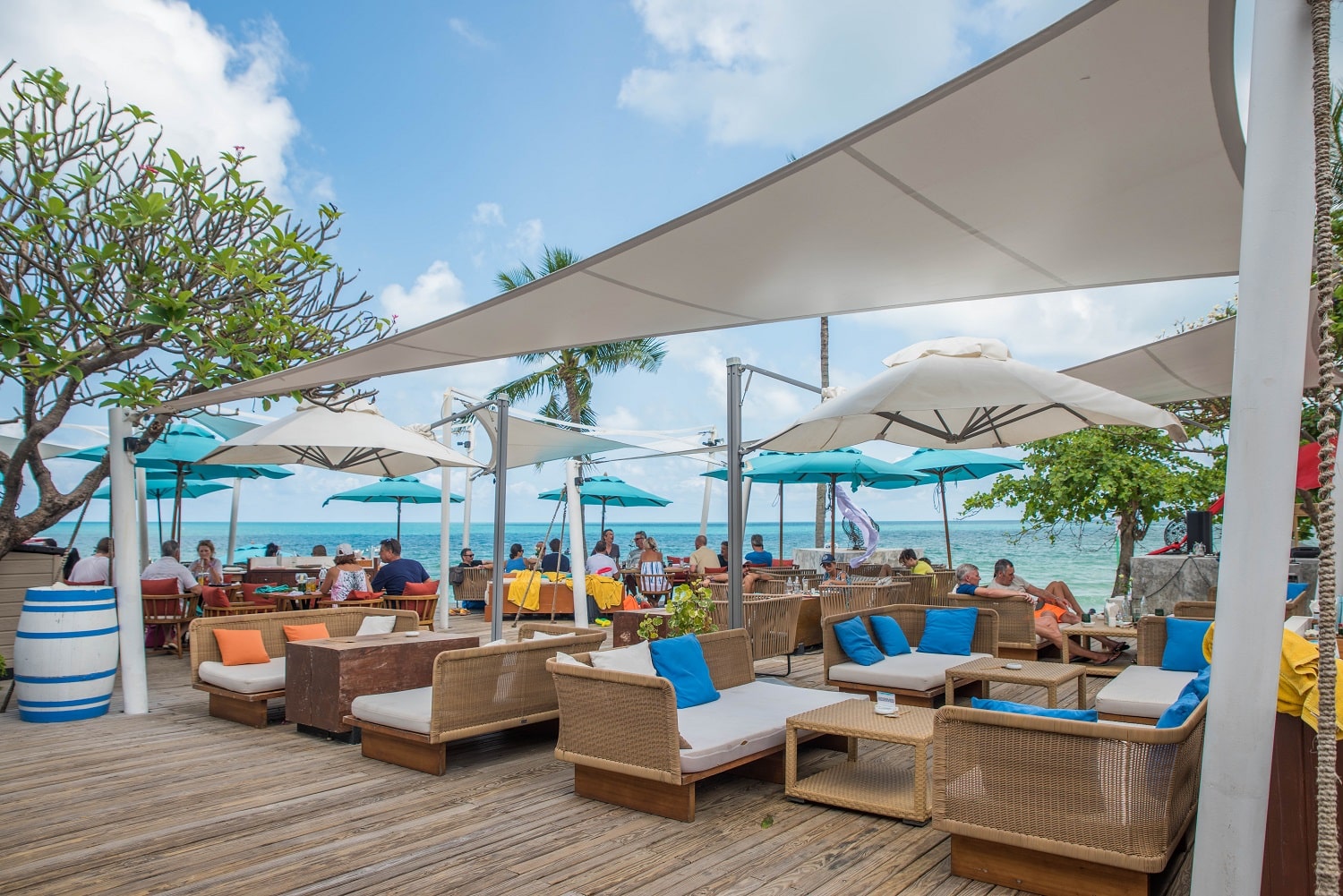
A key engineering insight: the shape of the tensile membrane influences aerodynamic behavior. Curved surfaces allow wind to flow smoothly over the roof, reducing uplift forces. Flat or poorly tensioned membranes, on the other hand, can amplify stress and increase the risk of failure.
Material Quality Matters
Even the best design fails without proper materials. Jutent insists on sourcing high-grade fabrics, steel fittings, and tension cables according to technical specifications. Cutting corners on raw materials may save cost initially but drastically compromises wind resistance and lifespan.
From a technical standpoint, fabric with high tensile strength, UV resistance, and water repellency, combined with corrosion-resistant fittings, ensures that the structure maintains its integrity through typhoons.
Precision Processing & Transport
Processing and prefabrication must adhere strictly to engineering standards. Each component undergoes quality checks, ensuring accurate dimensions and tension compatibility. During transport, structures are secured to prevent deformation or damage, as even minor misalignments can affect wind resistance during installation.
Installation: The Final Test
Installation is the most critical phase. A tensile structure’s resistance to strong wind is only realized if it is anchored correctly, tensioned to design specifications, and inspected thoroughly. Jutent engineers supervise every installation step, using calibrated equipment and verified anchoring methods.
From our experience, attention to detail in installation can increase wind load tolerance by up to 15–20%, making the structure far more resilient during typhoons.
Conclusion: Responsibility Equals Reliability
A tensile fabric roof’s performance during typhoon season reflects the commitment of the engineering team. At Jutent, we believe that a true engineering company delivers not just structures, but peace of mind. By integrating national standards, premium materials, precision processing, and meticulous installation, we create tensile roof structures that can withstand even the fiercest winds.
For owners in typhoon-prone regions, trusting Jutent means investing in safety, durability, and professional integrity. Strong winds are inevitable—but a well-engineered tensile structure can stand firm.