

For contractors in Nigeria, Kenya, and South Africa, sourcing a park tensile shade structure locally often means limited options and high prices. The local market, while growing, can struggle to meet the demand for high-quality, durable, and aesthetically pleasing tensile structures required for public parks, recreational areas, and commercial developments. This often leads to compromises on material quality, design complexity, or project timelines. local fabrication capabilities might not always align with international standards for engineering, material specifications, or warranty provisions. This article explores how importing a park tensile shade structure from China offers a practical solution, addressing these supply gaps and providing a competitive edge for African contractors.
Why African Contractors Source Park Tensile Shade Structure from China
African contractors frequently turn to international suppliers for park tensile shade structures due to a combination of factors, primarily driven by cost-effectiveness, material quality, and design flexibility. Local manufacturing often faces challenges such as limited access to specialized materials like high-grade PVDF or PTFE membranes, or the advanced fabrication machinery required for complex tensile designs. This can result in higher production costs and a narrower range of design options.
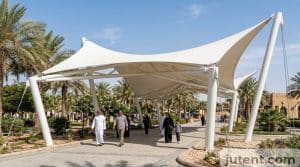
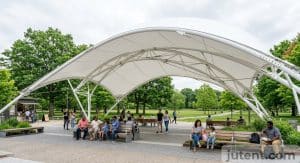
Importing from China, however, opens up a world of possibilities. Manufacturers like Jutent Engineering, with 400+ projects in 30+ countries, offer competitive pricing without compromising on quality. They provide access to ISO 9001 and SGS certified processes, ensuring adherence to international standards. Contractors can specify high-performance membranes like 1050 g/m² PVDF with a 10-year warranty and 15+ years service life, or PTFE with a 15-year warranty and 25+ years service life, which are often difficult to source consistently or affordably within Africa. The ability to choose specific steel grades like Q235B or Q355B, along with approved surface treatments such as hot-dip galvanizing or epoxy zinc-rich primer with fluorocarbon topcoat, ensures the structure's longevity in diverse African climates. This strategic sourcing allows contractors to deliver superior projects, such as those found in Cảnh quan công viên, meeting both budget and quality expectations.
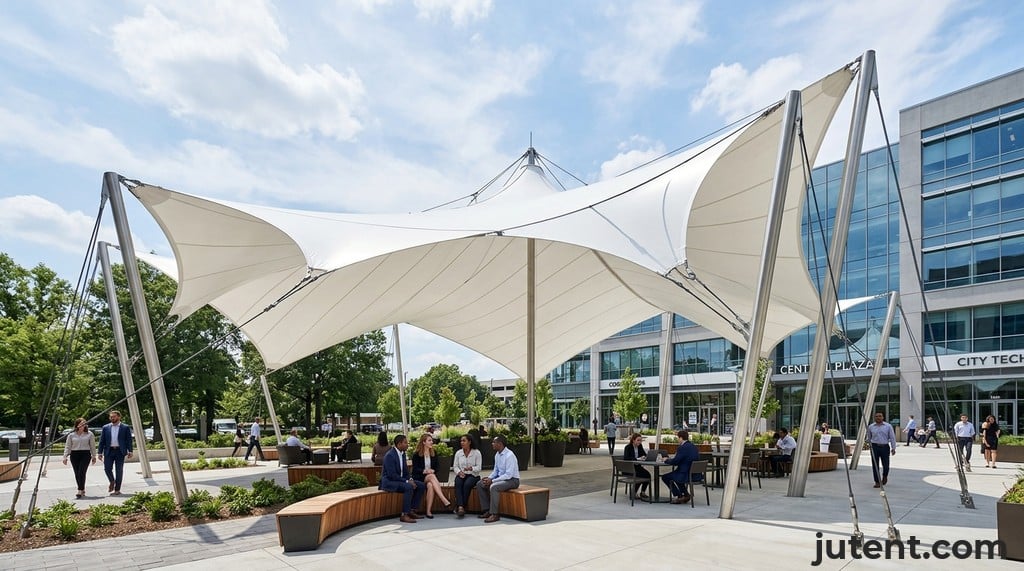
Cần Chỉ Định Gì Khi Nhập Khẩu: Cấp Độ Màng, Thép và Tài Liệu
When importing a park tensile shade structure, meticulous specification is crucial to ensure the final product meets local requirements and withstands environmental conditions. The primary components to focus on are the membrane grade, steel specifications, and the necessary documentation.
Membrane Grade: For African climates, which can range from intense sun to heavy rainfall, specifying a durable membrane is paramount. PVDF (Polyvinylidene Fluoride) coated polyester fabric is a popular choice, offering excellent UV resistance, self-cleaning properties, and a typical service life of 15+ years. For projects demanding even greater longevity and extreme weather resistance, PTFE (Polytetrafluoroethylene) coated fiberglass fabric is superior, with a service life of 25+ years. Standard membrane weight is often 1050 g/m², but this can be adjusted based on specific wind load requirements and project design.
Steel Specifications: The structural steel framework is the backbone of any tensile structure. Specifying steel grades like Q235B or Q355B ensures adequate strength. Crucially, the surface treatment must be appropriate for the local environment. Approved options include hot-dip galvanizing for superior corrosion protection, or a multi-layer system such as epoxy zinc-rich primer followed by an acrylic or fluorocarbon topcoat. Fasteners should be SS304 as standard, with SS316 available as an optional upgrade for coastal or highly corrosive environments.
Documentation: Thorough documentation is vital for customs clearance, local permitting, and installation. For export projects, Jutent can provide design drawings, engineering calculations, material specifications, installation manuals, and free remote guidance, subject to project scope and contract terms. This includes detailed structural analysis, wind load calculations (critical for areas prone to strong winds), and material certifications. Typical technical values should always be written conservatively and described as subject to project design. This ensures compliance with local building codes and provides a clear roadmap for successful project execution.
Park Tensile Shade Structure Guide
Vận chuyển đến các Cảng Châu Phi: Cách thức Đóng gói Kết cấu
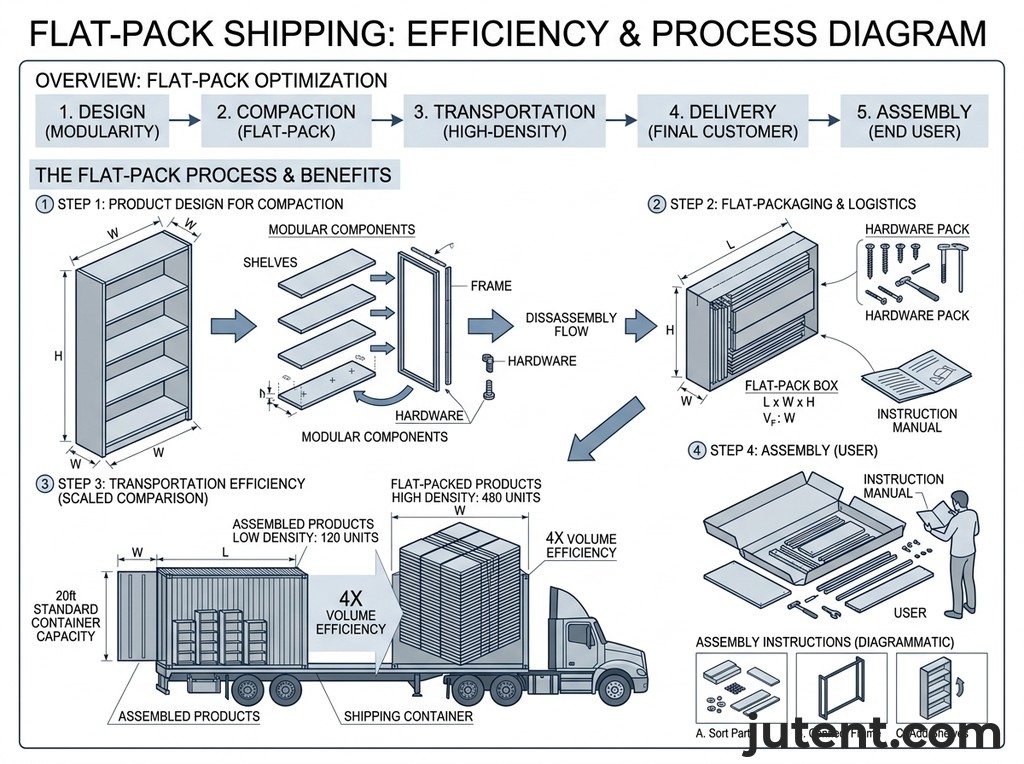
Efficient and secure shipping is a cornerstone of successful international procurement for park tensile shade structures. The process is carefully managed to ensure all components arrive at African ports in optimal condition, ready for assembly.
Tensile structures are designed for modularity and ease of transport. The steel framework components, including columns, beams, and connection plates, are meticulously flat-packed. This method maximizes container space, reducing shipping costs and minimizing the risk of damage during transit. Each steel piece is individually wrapped and secured within the container to prevent movement and abrasion. Approved surface treatments, such as hot-dip galvanizing or epoxy zinc-rich primer with a fluorocarbon topcoat, are applied before packing, providing a protective layer against the elements during the journey.
The membrane fabric, whether PVDF or PTFE, is carefully rolled and protected in robust, waterproof packaging. This prevents creasing, tearing, or exposure to moisture, which could compromise its integrity. Smaller components, such as cables, tensioning hardware (typically SS304, with SS316 available), and connection accessories, are securely boxed and labeled.
A standard 20ft shipping container can typically accommodate a park tensile shade structure ranging from 150m² to 300m², depending on the complexity of the design and the volume of steel components. For larger structures, 40ft containers or multiple containers may be utilized. Detailed packing lists and shipping manifests are provided, aligning with customs requirements at destination ports such as Durban, Mombasa, or Lagos. This systematic approach to packing and shipping ensures that contractors receive a complete, undamaged kit, streamlining the on-site installation process.
So sánh Chi phí: Nhập khẩu so với Sản xuất Nội địa tại các Thị trường Châu Phi Trọng điểm
For African contractors, the decision to import a park tensile shade structure versus fabricating it locally often boils down to a critical cost-benefit analysis. While local fabrication might seem appealing due to proximity, the reality in markets like Nigeria, Kenya, and South Africa often reveals significant cost advantages for importing from experienced Chinese manufacturers.
Local fabrication in these regions can be hampered by several factors that drive up costs. These include higher material procurement costs for specialized membranes and high-grade steel, limited access to advanced machinery for precise fabrication, and potentially higher labor costs for skilled tensile structure engineers. local suppliers may not offer the same economies of scale as international manufacturers, leading to higher unit prices.
When importing from China, contractors can benefit from competitive pricing due to efficient manufacturing processes and bulk material purchasing. For a standard PVDF membrane, simple form structure, the EXW (Ex Works) price can range from $40–$70/m². For more complex PVDF designs, this might be $60–$90/m². PTFE membrane structures, offering superior longevity, would add approximately $20/m² to these ranges. These prices are for projects with a minimum scope of 100 m².
| Tính năng | Local Fabrication (Africa) | Import from China (Jutent) |
|---|---|---|
| Material Cost | Often higher for specialized membranes/steel | Lower due to economies of scale and efficient supply chains |
| Fabrication Cost | Potentially higher due to limited specialized equipment | Highly competitive due to advanced manufacturing and skilled labor |
| Kiểm soát chất lượng | Varies, can be inconsistent | ISO 9001, SGS certified processes, consistent quality |
| Design Options | Limited by local expertise and equipment | Extensive, complex designs achievable |
| Bảo hành | Varies, often shorter or less thorough | PVDF: 10-year, PTFE: 15-year membrane warranty; 1-year overall project warranty |
| EXW Price (PVDF Simple) | Generally higher than import, varies widely | $40–$70/m² (for projects >100m²) |
| Hậu cần | Simpler, but may involve local transport challenges | Requires international shipping, customs, but managed by experienced exporters |
While import duties and shipping costs need to be factored in, the initial EXW price difference, combined with superior material quality and warranty provisions, often results in a lower total cost of ownership and a higher quality end product for the African contractor. Based on Jutent's experience across 400+ projects in 30+ countries, the long-term value proposition of importing is often compelling.
Câu hỏi thường gặp
- Q: How are park tensile shade structure structures shipped to Africa from China?
- A: Steel components are flat-packed to maximize container space and minimize shipping costs. Each piece is carefully wrapped and secured to prevent damage during transit. The membrane fabric is rolled and protected in waterproof packaging. Smaller accessories are boxed and labeled. A standard 20ft container can typically carry a 150–300m² structure, depending on design complexity. This systematic packing ensures all parts arrive safely and ready for assembly at major African ports.
- Q: What import duties apply to park tensile shade structure structures in African countries?
- A: Import duties vary significantly by country across Africa. Factors such as the specific Harmonized System (HS) code for the components, trade agreements between China and the destination country, and local tax regulations all play a role. Jutent provides thorough HS code documentation for all components, which helps contractors accurately calculate and potentially minimise duty exposure. It is always recommended for contractors to consult with a local customs broker for precise duty calculations for their specific project location.
Hãy cho chúng tôi biết vị trí dự án của bạn tại châu Phi và chúng tôi sẽ cung cấp bảng so sánh chi phí cũng như kế hoạch hậu cần.
 English
  Français
  Español de México
  Bahasa Melayu
  Tiếng Việt
  Português do Brasil
  Русский
  ไทย
ไทย  العربية