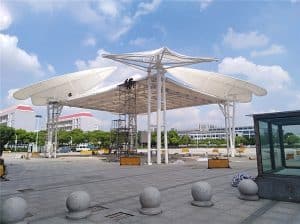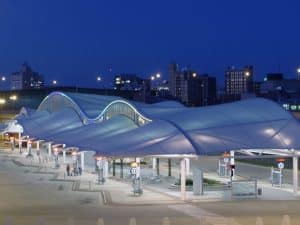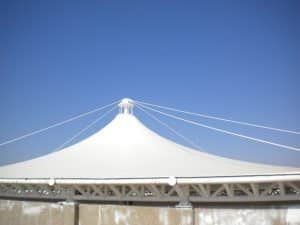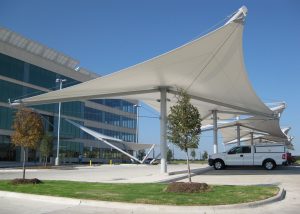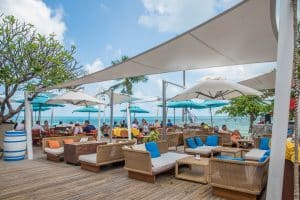

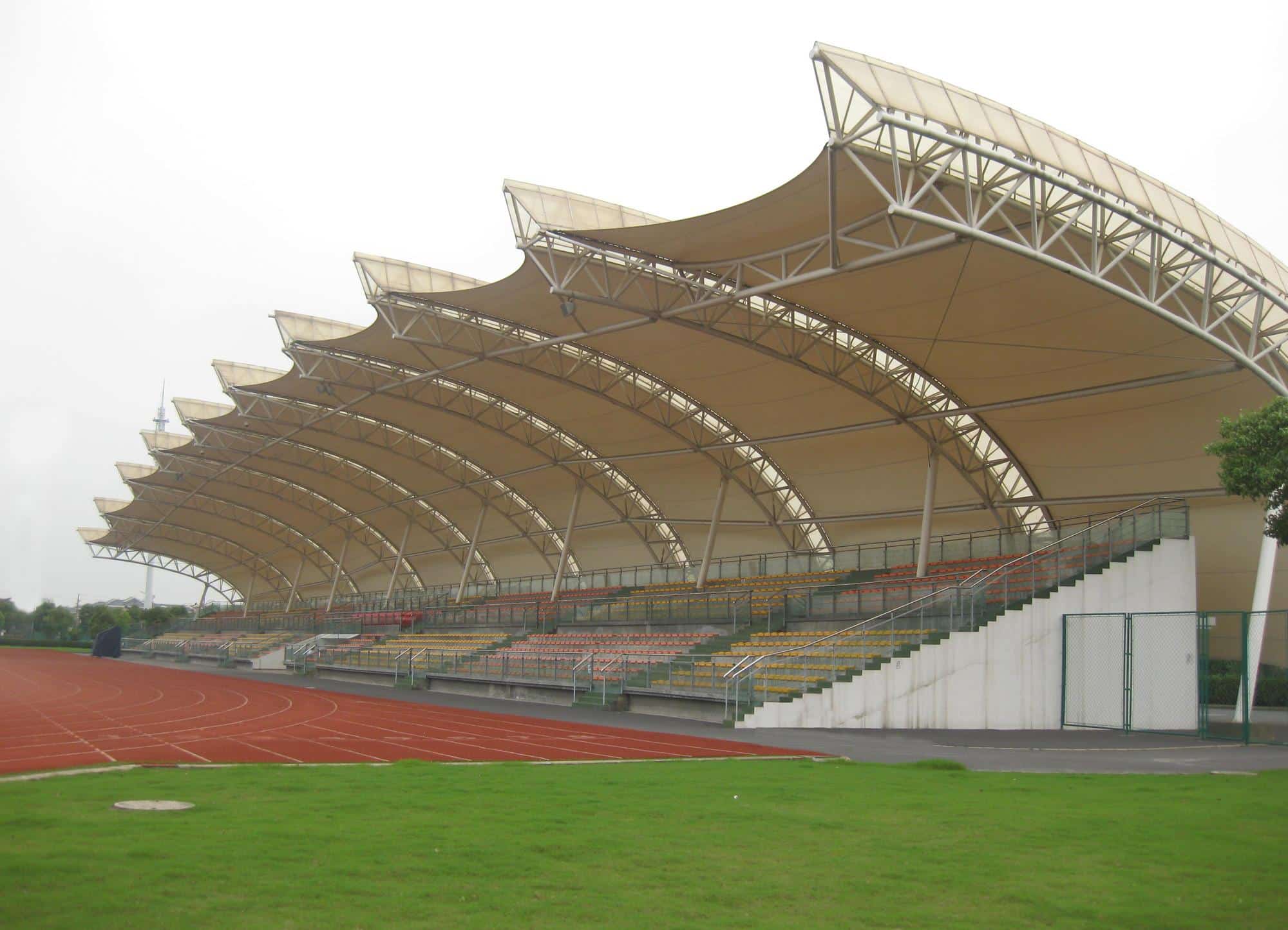
Fabric tensile structures have evolved from an alternative roofing option into a mainstream solution for modern stadiums. With lightweight construction, rapid installation, strong visual identity, and significant cost advantages, tensile membrane systems solve multiple structural and operational challenges in a single design approach.
🌍 A Global Trend You Can See at a Glance
Across different countries and climates, stadiums are increasingly adopting fabric tensile structures as roofing and sunshade systems. This shift is driven not by aesthetics alone, but by proven engineering performance and long-term operational efficiency.
From local sports facilities to international arenas, tensile membrane stadium roofs are redefining how large-span spaces are designed and built.
⚡ Key Takeaways
- Ultra-light structural system reduces load on foundations and roofs
- Faster construction compared with traditional stadium roofing
- Flexible design adapts to local architecture and climate
- Multi-functional use beyond sports venues
- 30%–50% investment savings on large-span projects
🏗️ Lightweight by Nature, Strong by Design
One of the primary reasons stadiums choose fabric tensile structures is their exceptional weight efficiency. A typical tensile membrane roof weighs no more than 9 tons, making it significantly lighter than conventional steel or concrete systems.
From an engineering perspective, this lightweight nature allows installation on existing building roofs or restricted sites, while simultaneously addressing land use, space planning, and roof waterproofing challenges.
⏱️ Faster Construction, Shorter Investment Cycle
Fabric tensile structures are prefabricated and engineered in advance, which substantially reduces on-site construction time. This is particularly valuable for stadium projects operating under tight schedules.
In many cases, tensile stadium roofs can be completed in weeks rather than months, enabling earlier operation and quicker return on investment.
✅ Safety, Stability, and Long-Term Reliability
Despite their lightweight appearance, fabric tensile structures are firm, safe, and structurally reliable. They are designed to withstand wind loads, heavy rainfall, and region-specific climate conditions through precise tension and load calculations.
From a structural engineering standpoint, tensile systems distribute forces efficiently, reducing stress concentrations on primary supports.
🎨 Design That Matches Local Identity
Tensile stadium structures are not standardized products. Their form, curvature, and membrane material can be customized to reflect local architectural styles, cultural identity, and urban context.
This design flexibility allows stadiums to function not only as sports venues, but also as recognizable city landmarks.
🔁 More Than a Stadium: Multi-Use Flexibility
Fabric tensile structures are widely applied beyond stadiums, including production plants, exhibition halls, and multi-purpose spaces. This adaptability increases asset utilization and shortens the overall investment cycle.
📐 Scalable Layouts and Connected Spaces
The construction area of a tensile stadium can be fully customized. Multiple venues may be connected in series, enabling phased development or future expansion based on operational demand.
💰 Significant Cost Advantages
Compared with traditional stadium structures of the same scale, fabric tensile systems can reduce total investment by 30% to 50%. Savings result from reduced material usage, lighter foundations, and faster construction timelines.
Final Thoughts
Fabric tensile structures offer a balanced combination of engineering efficiency, economic value, and architectural expression. As stadium projects increasingly prioritize speed, sustainability, and identity, tensile membrane systems are becoming the preferred solution rather than an alternative.