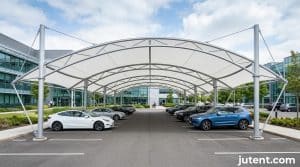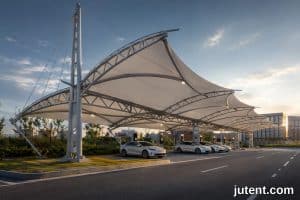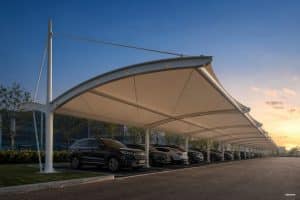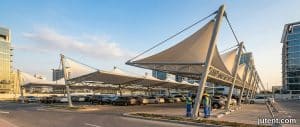

For contractors in Nigeria, Kenya, and South Africa, sourcing a tensile carport locally often means limited options and high prices. The regional supply chain for specialized tensile structures can be underdeveloped, leading to challenges in material availability, skilled labor, and competitive pricing. This reality frequently pushes project managers and developers to look beyond local borders for reliable, cost-effective solutions. Importing from established manufacturers, particularly from China, has emerged as a practical strategy for parking facility projects, offering access to advanced engineering, diverse designs, and economies of scale that are often unattainable through domestic channels. This approach not only addresses immediate supply gaps but also allows for greater control over project specifications and budget.
Why African Contractors Source Tensile Carports from China
The decision to import tensile carport structures from China is driven by a confluence of factors that directly address the challenges faced by African contractors. Primarily, the local market often struggles with the capacity to produce the specialized materials and intricate designs required for high-quality tensile structures. This scarcity translates into higher costs for available materials and limited design flexibility. Chinese manufacturers, on the other hand, benefit from mature supply chains, advanced manufacturing processes, and a competitive industrial landscape, enabling them to offer superior products at more attractive price points.
Quality and engineering expertise are significant considerations. Reputable Chinese manufacturers, like Jutent Engineering, adhere to international standards, providing structures engineered for durability and resilience, crucial for the diverse African climate. This includes resistance to high winds, intense UV radiation, and heavy rainfall. The ability to customize designs, from simple single-bay carports to expansive multi-level parking solutions, is another key advantage. the sheer volume of production in China allows for economies of scale that local fabricators simply cannot match, making importing a financially sound decision for medium- to large‑scale projects. Based on Jutent's experience across 400+ projects in 30+ countries, the reliability and cost-effectiveness of Chinese-manufactured tensile carports have proven invaluable for contractors seeking to deliver high-quality projects on budget. Carports
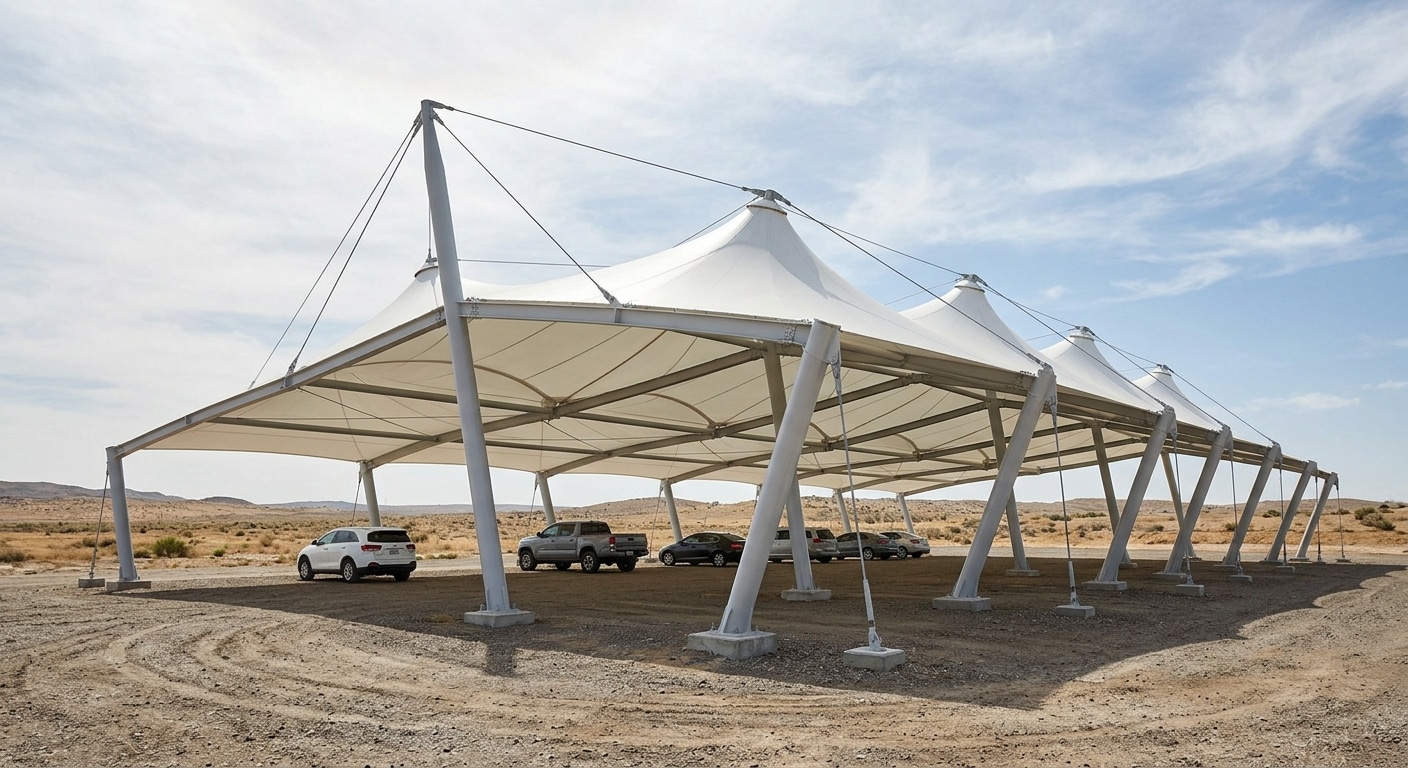
What to Specify When Importing: Membrane Grade, Steel, and Documentation
When importing a tensile carport structure, precise specification is paramount to ensure the final product meets local requirements and project expectations. The primary components to focus on are the membrane material, the steel framework, and the accompanying documentation.
Membrane Grade
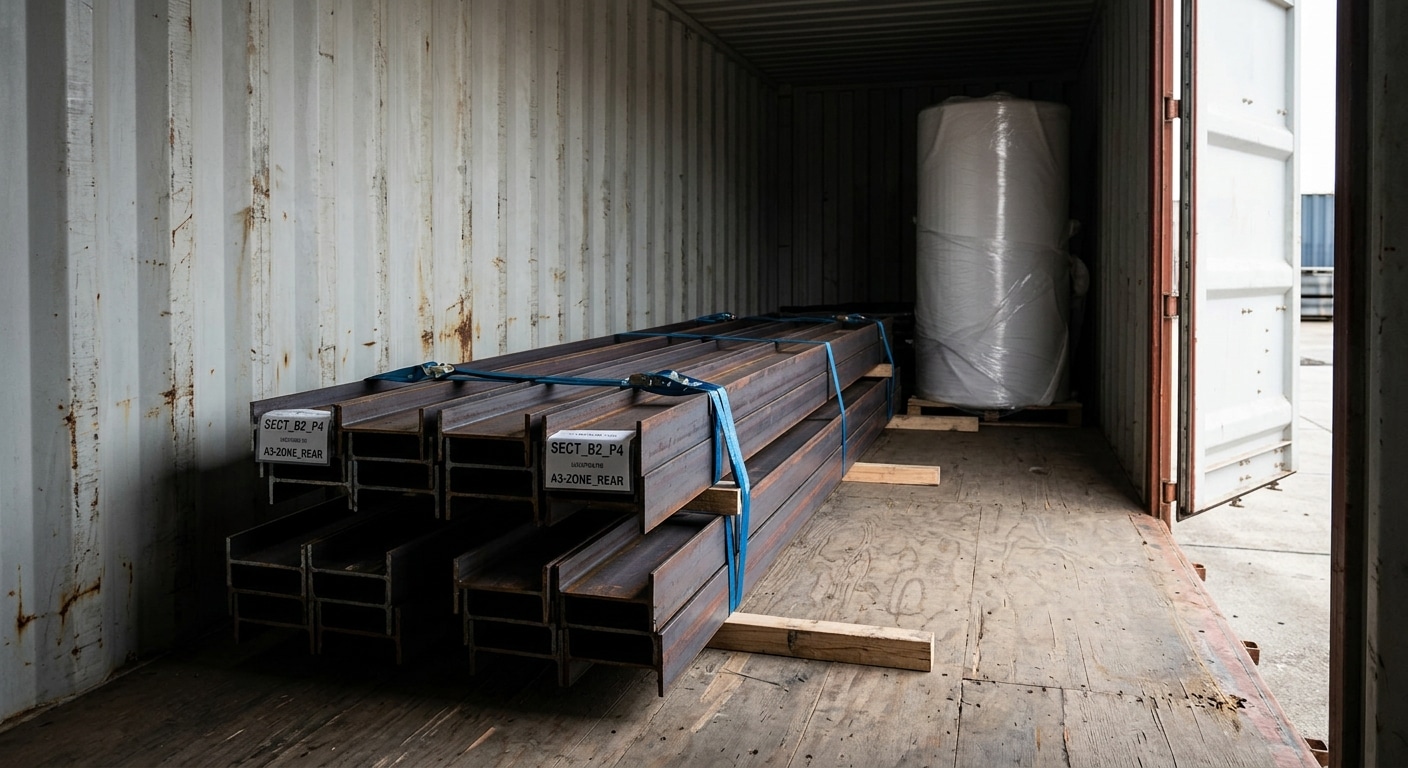
The choice of membrane is critical, especially given the intense solar radiation and potential for high winds in many parts of Africa. PVDF (Polyvinylidene Fluoride) membranes are a common and excellent choice, offering a 10-year warranty and a service life of 15+ years. For projects requiring even greater longevity and performance, PTFE (Polytetrafluoroethylene) membranes provide a 15-year warranty and a service life exceeding 25 years. Standard membrane weight is typically 1050 g/m², but this can be adjusted based on specific wind load requirements. Always specify the desired material, weight, and color.
Steel Specifications
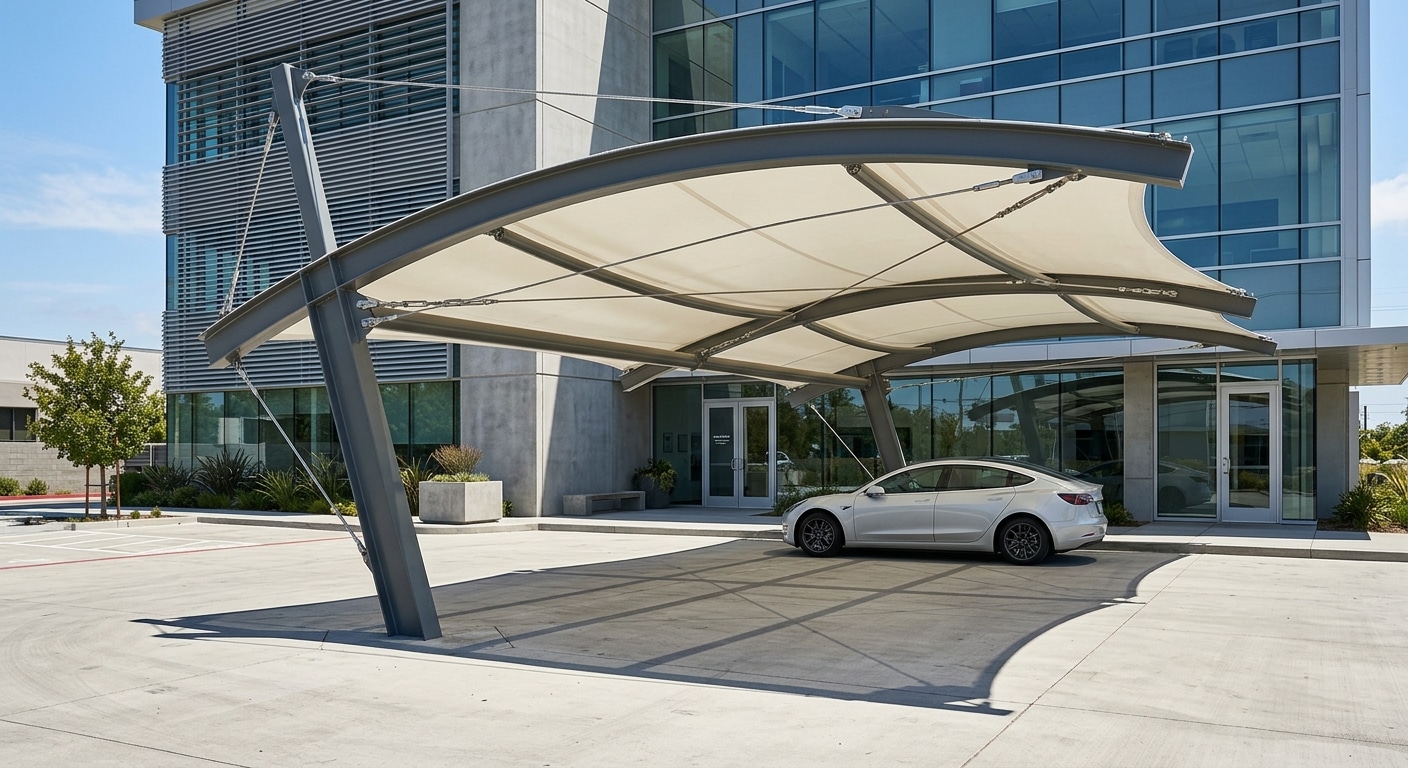
The structural steel framework must be reliable enough to withstand local environmental conditions. Jutent Engineering primarily uses Q235B and Q355B steel grades, known for their strength and durability. Crucially, the surface treatment of the steel is vital for corrosion protection. Approved treatments include epoxy zinc‑rich primer + fluorocarbon topcoat, or hot‑dip galvanizing on request. Specifying SS304 for connection hardware is standard, with SS316 available as an optional upgrade for enhanced corrosion resistance in coastal or high-humidity environments.
Documentation
Comprehensive documentation is essential for smooth import and construction. For export projects, Jutent can provide design drawings, calculations, material specifications, installation manuals, and free remote guidance, subject to project scope and contract terms. These documents are vital for obtaining local building permits and ensuring compliance with regional codes. Always confirm that the manufacturer can provide detailed engineering drawings and structural analysis reports. Tensile Carport Structure Guide
Shipping to African Ports: How Carport Structures Are Packed
The logistics of shipping tensile carport structures from China to African ports are streamlined to ensure efficiency and cost-effectiveness. The primary method involves flat-packing components into standard shipping containers, optimizing space and minimizing freight costs.
Steel components, including columns, beams, and connection plates, are carefully disassembled and bundled. Each bundle is meticulously labelled according to the installation drawings, ensuring easy identification on site. Each piece is meticulously labeled according to the installation drawings, facilitating easy identification and assembly on-site. These bundles are then securely strapped and often protected with wrapping to prevent damage during transit. The flat-pack approach ensures that the maximum volume of material can be loaded into each container, reducing the number of containers required for a project.
Membrane panels, being flexible, are typically rolled onto sturdy cores and then wrapped in protective layers to shield them from punctures, abrasions, and environmental exposure. Smaller hardware, such as bolts, nuts, cables, and tensioning devices (often SS304 standard, with SS316 as an upgrade option), are packed into reliable crates or boxes, clearly itemized and labeled.
A standard 20ft container can typically carry a 150–300m² carport structure, depending on the complexity of the design and the density of the steel framework. For larger projects, 40ft containers or multiple containers may be utilized. The packing list provided by the manufacturer is crucial for customs clearance and for verifying the contents upon arrival at ports such as Lagos (Nigeria), Mombasa (Kenya), or Durban (South Africa). This systematic packing minimizes the risk of missing parts and simplifies the receiving process for the contractor, ensuring that all components arrive ready for assembly.
Cost Comparison: Import vs Local Fabrication in Key African Markets
When considering a tensile carport project in Africa, a detailed cost comparison between importing from China and local fabrication is essential. While local options might seem convenient, the true cost often reveals significant advantages to importing.
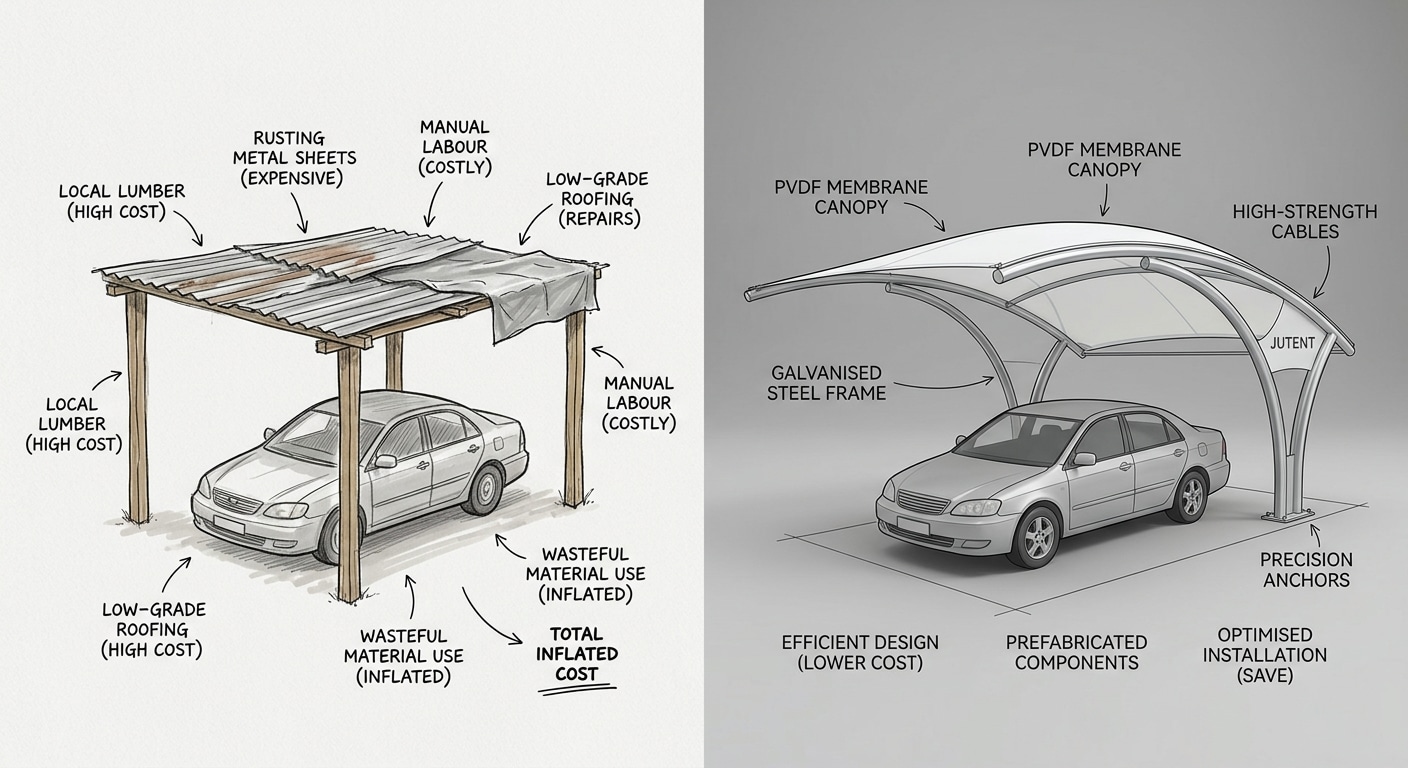
Local Fabrication Challenges
In markets like Nigeria, Kenya, and South Africa, local fabrication of tensile structures faces several hurdles. The availability of specialized tensile membrane materials (PVDF, PTFE) can be limited, leading to higher procurement costs or reliance on lower-grade alternatives. Skilled labor for tensile structure design, welding, and membrane patterning is also often scarce, driving up labor costs and potentially compromising quality. local steel prices can be volatile, and the range of surface treatments (e.g., hot-dip galvanizing) might not always meet international standards or offer the same longevity as those from established Chinese manufacturers. These factors often result in higher per-square-meter costs for locally fabricated structures, sometimes without the benefit of advanced engineering or warranties comparable to imported options.
Import Advantages from China
Importing from China, particularly from manufacturers like Jutent Engineering, offers significant cost efficiencies. The economies of scale in Chinese manufacturing allow for competitive pricing across all components.
| Feature | Local Fabrication (Africa) | Import from China (Jutent)
FAQ
- How are tensile carport structures shipped to Africa from China?
- Steel components are flat-packed. A standard 20ft container can typically carry a 150–300m² carport structure.
- What import duties apply to tensile carport structures in African countries?
- Duties vary by country. Jutent provides HS code documentation to help minimise duty exposure.
Tell us your project location in Africa and we'll provide a cost comparison and logistics plan.