
Evaluating Procurement: The OPEX Impact of Shade Quality
Judging the quality of a commercial parking shade goes far beyond comparing initial bids. For procurement officers and facility developers, a substandard canopy translates into long-term operational expenditures (OPEX)—from rapid fabric discoloration to structural fatigue under wind loads.
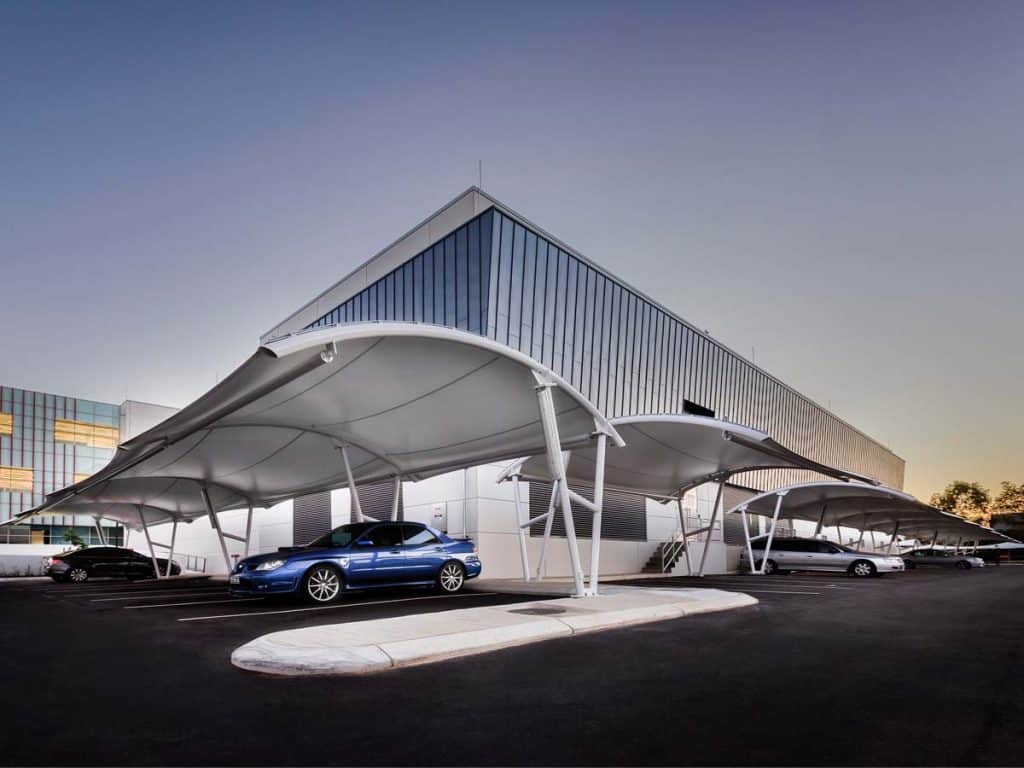
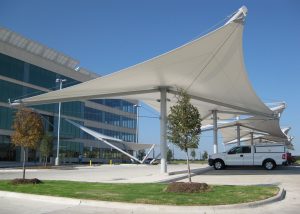
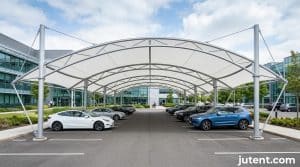
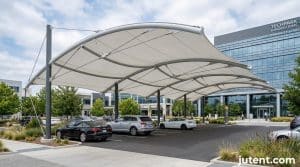
When assessing a membrane car parking structure, it is critical to look past the aesthetics and analyze the engineering performance. A high-quality tensile shed ensures optimal daylighting, zero-glare environments, and a structural lifespan that maximizes your return on investment.
4 Core Quality Indicators for Tensile Carports
Before issuing a purchase order to a heavy duty parking shade supplier, evaluate their proposal against these critical performance metrics:
Lighting Coefficient
Traditional corrugated steel sheds have a lighting coefficient of less than 3%, creating dark, unsafe zones. Premium PVDF membranes offer up to a 10% lighting coefficient, providing evenly diffused natural light that lowers daytime electricity costs.
Anti-Corrosion Treatment
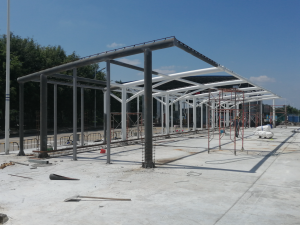
A canopy is only as strong as its steel. Quality manufacturers refuse basic spray paints, opting instead for strict hot-dip galvanization combined with marine-grade epoxy polyurethane topcoats to combat rust and urban pollution.
3D Form-Finding Precision
A sagging roof is a failed roof. High-quality structures utilize advanced computational form-finding to ensure bi-axial tension is perfectly distributed. This prevents water ponding and fabric flutter during severe weather.
Manufacturer Engineering Credibility
Check their case studies and production licenses. Legitimate manufacturers engineer the structure for specific wind loads rather than selling dangerous, "one-size-fits-all" imported kits.
Specification Benchmark: Premium vs. Sub-Standard
Use this technical comparison table to vet incoming bids and justify your parking canopy installation cost.
| Specification Area | Premium Quality (Acceptable) | Sub-Standard (Reject) |
|---|---|---|
| Membrane Fabric | PVDF Coated PVC or PTFE Fiberglass | Untreated PE or HDPE Shade Nets |
| Glare Control | White/Beige film with linear spectral transmission | Translucent plastics that create greenhouse heat traps |
| Steel Protection | Hot-Dip Galvanized + Epoxy Topcoat | Standard Spray Primer / Hollow Untreated Tubes |
| Engineering Data | No structural calculations provided |
The Danger of Ignoring Manufacturer After-Sales
When comparing a tensile structure vs steel roof, buyers often forget that fabric architecture is dynamic. A common procurement trap is selecting the cheapest local contractor without evaluating their after-sales engineering capacity.
Why Engineering Support is Non-Negotiable
Membrane structures are highly complex spatial systems. In the event of extreme weather anomalies (like unprecedented hurricanes) or accidental vehicle impacts, the structure may require professional re-tensioning or component replacement. If your supplier lacks a dedicated engineering team, your structure will be unrepairable, turning a minor issue into a total loss.
- Ensure your manufacturer provides a clear workflow for revisions and structural audits.
- Verify that replacement membrane panels can be fabricated using original CAD files without needing to redesign the entire frame.