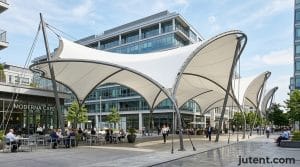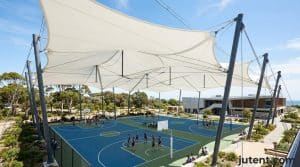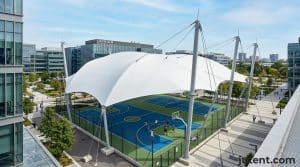

For contractors in Nigeria, Kenya, South Africa, and other African markets, sourcing a sports court shade structure locally often means limited options and high prices. The demand for modern, durable, and aesthetically pleasing sports facilities is growing across the continent, driven by urbanisation, increased investment in education, and a rising interest in sports. However, local manufacturing capabilities for specialised tensile structures often struggle to meet this demand in terms of scale, material quality, and design complexity. This gap frequently leads contractors to explore international sourcing, particularly from established manufacturers in China, who offer competitive pricing, advanced engineering, and a proven track record in delivering large-scale projects globally. Understanding the practicalities of importing these structures is key to successfully delivering projects that meet international standards and client expectations.
Why African Contractors Source Tensile Structures from China
The primary drivers for African contractors to import tensile structures from China are a combination of cost-effectiveness, access to advanced engineering, and a wider range of high-quality materials. Local fabrication often faces challenges such as limited access to specific membrane types (like high-grade PVDF or PTFE), specialised steel processing equipment, and experienced tensile structure design engineers. This can result in higher production costs, longer lead times, and designs that may not fully optimise for local climate conditions or architectural aspirations.
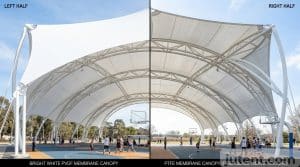
Chinese manufacturers, like Jutent Engineering, benefit from economies of scale, efficient supply chains, and extensive experience in complex tensile structure fabrication. This allows them to offer more competitive pricing for large-span sports court shade structures. they provide access to certified materials, including Q235B and Q355B grade steel with approved surface treatments like epoxy zinc-rich primer + acrylic topcoat or hot-dip galvanizing, and high-performance membranes such as 1050 g/m² PVDF (10-year warranty, 15+ years service life) or PTFE (15-year warranty, 25+ years service life). These material specifications are often difficult to match locally. Based on Jutent's experience across 400+ projects in 30+ countries, importing ensures that contractors can deliver projects that are not only cost-efficient but also meet stringent international quality and durability standards, crucial for the demanding African environment.
Sport Court Shade
What to Specify When Importing: Membrane Grade, Steel, and Documentation
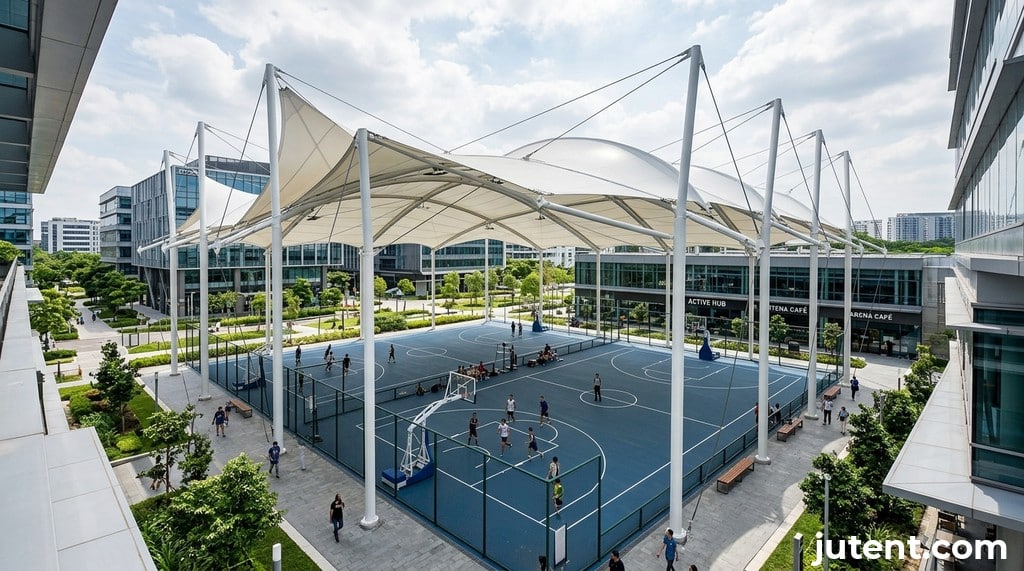
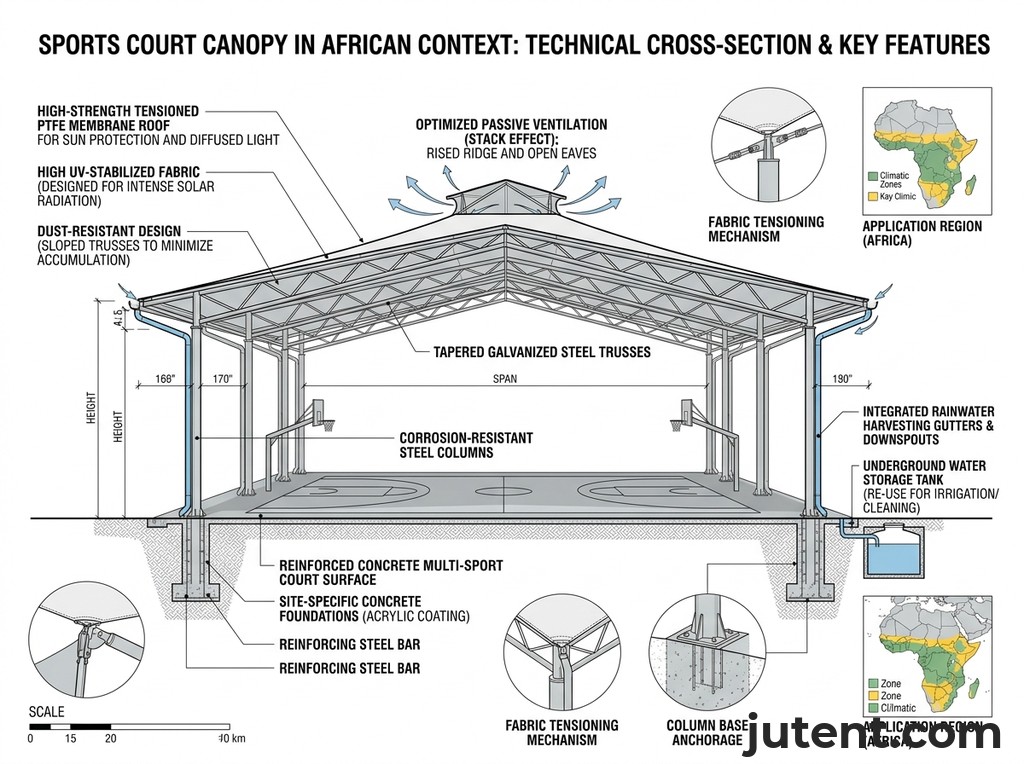
When importing a sports court shade structure, precise specification is paramount to ensure the final product meets project requirements and local conditions. The choice of membrane grade is critical for longevity and performance. PVDF membranes are a popular choice due to their excellent UV resistance, self-cleaning properties, and a typical 10-year warranty with a 15+ year service life. For projects requiring superior durability and extreme weather resistance, PTFE membranes offer a 15-year warranty and a 25+ year service life, though at a higher cost (add ~$20/m² to PVDF range). The membrane weight, typically 1050 g/m², should be specified to withstand wind loads and UV exposure common in Africa.
Steel specifications are equally important. Jutent uses Q235B and Q355B grade steel, which offers excellent structural integrity. For surface treatment, specifying hot-dip galvanizing or an epoxy zinc-rich primer + fluorocarbon topcoat is essential for corrosion protection in humid or coastal African environments. SS304 is standard for fittings, with SS316 available as an optional upgrade for enhanced corrosion resistance.
Comprehensive documentation is vital for smooth import and installation. This includes detailed design drawings, structural calculations (considering local wind and seismic loads), material specifications, and a complete bill of materials. For export projects, Jutent can provide design drawings, calculations, material specifications, installation manuals, and free remote guidance, subject to project scope and contract terms. These documents are crucial for obtaining local building permits and ensuring compliance with regional building codes, which vary significantly across Africa.
Tensile Shade Structures Sports Courts Guide
Shipping and Logistics: How Structures Are Packed and Delivered to African Ports
The logistics of shipping large tensile structures from China to African ports are streamlined through efficient packing and containerisation. Jutent specialises in optimising the packing process to minimise shipping costs and ensure the safe arrival of all components. Steel structural elements are precisely cut to container-friendly lengths and then flat-packed. This method maximises container space, reducing the number of containers required and, consequently, the overall shipping expense. All steel components are clearly marked according to the installation drawings for easy identification upon arrival.
Membrane panels, which are custom-fabricated to the exact project dimensions, are carefully folded and packed into robust, protective crates or heavy-duty bags. This prevents damage during transit and ensures the membrane arrives in pristine condition. Smaller components, such as cables, connectors, bolts (SS304 standard, SS316 optional), and tensioning hardware, are organised into clearly labelled boxes. A thorough packing list accompanies every shipment, detailing the contents of each package, which is essential for customs clearance and inventory management at the destination port.
A standard 20ft shipping container can typically accommodate a 400–600m² sports court canopy, depending on the complexity of the design and the volume of steelwork. For larger projects, multiple containers or 40ft containers are used. Jutent works with reputable shipping lines to deliver to major African ports such as Durban, Mombasa, Lagos, and Tema, providing tracking information and assisting with necessary shipping documentation to facilitate a smooth customs process.
Installation Support: What the Manufacturer Provides Remotely
Successful installation of a tensile structure, especially for contractors new to this specific type of construction, relies heavily on clear guidance and support from the manufacturer. Jutent Engineering understands the complexities involved and provides thorough remote installation support to African contractors, ensuring projects are completed efficiently and correctly.
Upon shipment, every project includes a detailed, step-by-step installation manual. This manual features clear diagrams, component lists, and safety guidelines, designed to be easily understood by local construction teams. The manual outlines the sequence of assembly, from erecting the steel framework to tensioning the membrane, and provides specific instructions for handling the specialised materials.
Beyond the documentation, Jutent offers free remote guidance. This typically involves direct communication channels, such as video calls, email, and messaging apps, where the contractor's on-site team can consult with Jutent's experienced engineers. This allows for real-time problem-solving, clarification of instructions, and visual verification of progress. Engineers can review photos or videos from the site, provide immediate feedback, and guide the team through any challenges they encounter. This remote support is invaluable for ensuring the structural integrity and aesthetic quality of the installed sports court shade structure. For projects requiring a higher level of direct supervision, on-site supervision by a Jutent engineer is available as a paid service, offering hands-on guidance and quality control.
Cost Comparison: Import vs Local Fabrication in Key African Markets
When considering a sports court shade structure, contractors in Africa often weigh the costs of importing against local fabrication. While local options might seem appealing due to proximity, a detailed cost comparison often reveals the economic advantages of importing from specialised manufacturers like Jutent.
Local fabrication in markets like Nigeria, Kenya, or South Africa can incur significant costs due to several factors. These include the higher price of specialised materials (high-grade PVDF or PTFE membranes, certified structural steel), limited access to advanced fabrication machinery, and the relatively smaller scale of local operations. This often results in higher per-unit costs and longer lead times for custom tensile structures. local expertise in complex tensile engineering may be scarce, potentially leading to less optimised designs or higher labour costs for specialised tasks.
Importing from China, conversely, benefits from economies of scale and efficient production processes. For a standard PVDF membrane, simple form sports court canopy, the EXW (Ex Works) price from Jutent typically ranges from $40–$70/m². For more complex forms, this might be $60–$90/m². PTFE membranes would add approximately $20/m² to these ranges. While these prices are EXW and do not include shipping, customs duties, or local transport, the overall landed cost often remains highly competitive.
| Cost Factor | Local Fabrication (Africa) | Import from China (Jutent) |
| :————————– | :————————————————————————————————————————————————————————————————————————————————————————————————————————————————————————————————————————————————————————————————————————————————————————————————————————————————————————————————————————————————————————————————————————————————————————————————————————————————————————————————————————————————————————————————————————————————————————————————————————————————————————————————————————————————————————————————————————————————————————————————————————————————————————————————————————————————————————————————————————————————————————————————————————————————————————————————————————————————————————————————————————————————————————————————————————————————————————————————————————————————————————————————————————————————————————————————————————————————————————————————————————————————————————————————————————————————————————————————————————————————————————————————————————————————————————————————————————————————————————————————————————————————————————————————————————————————————————————————————————————————————————————————————————————————————————————————————————————————————————————————————————————————————————————————————————————————————————————————————————————————————————————————————————————————————————————————————————————————————————————————————————————————————————————————————————————————————————————————————————————————————————————————————————————————————————————————————————————————————————————————————————————————————————————————————————————————————————————————————————————————————————————————————————————————————————————————————————————————————————————————————————————————————————————————————————————————————————————————————————————————————————————————————————————————————————————————————————————————————————————————————————————————————————————————————————————————————————————————————————————————————————————————————————————————————————————————————————————————————————————————————————————————————————————————————————————————————————————————————————————————————————————————————————————————————————————————————————————————————————————————————————————————————————————————————————————————————————————————————————————————————————————————————————————————————————————————————————————————————————————————————————————————————————————————————————————————————————————————————————————————————————————————————————————————————————————————————————————————————————————————————————————————————————————————————————————————————————————————————————————————————————————————————————————————————————————————————————————————————————————————————————————————————————————————————————————————————————————————————————————————————————————————————————————————————————————————————————————————————————————————————————————————————————————————————————————————————————————————————————————————————————————————————————————————————————————————————————————————————————————————————————————————————————————————————————————————————————————————————————————————————————————————————————————————————————————————————————————————————————————————————————————————————————————————————————————————————————————————————————————————————————————————————————————————————————————————————————————————————————————————————————————————————————————————————————————————————————————————————————————————————————————————————————————————————————————————————————————————————————————————————————————————————————————————————————————————————————————————————————————————————————————————————————————————————————————————————————————————————————————————————————————————————————————————————————————————————————————————————————————————————————————————————————————————————————————————————————————————————————————————————————————————————————————————————————————————————————————————————————————————————————————————————————————————————————————————————————————————————————————————————————————————————————————————————————————————————————————————————————————————————————————————————————————————————————————————————————————————————————————————————————————————————————————————————————————————————————————————————————————————————————————————————————————————————————————————————————————————————————————————————————————————————————————————————————————————————————————————————————————————————————————————————————————————————————————————————————————————————————————————————————————————————————————————————————————————————————————————————————————————————————————————————————————————————————————————————————————————————————————————————————————————————————————————————————————————————————————————————————————————————————————————————————————————————————————————————————————————————————————————————————————————————————————————————————————————————————————————————————————————————————————————————————————————————————————————————————————————————————————————————————————————————————————————————————————————————————————————————————————————————————————————————————————————————————————————————————————————————————————————————————————————————————————————————————————————————————————————————————————————————————————————————————————————————————————————————————————————————————————————————————————————————————————————————————————————————————————————————————————————————————————————————————————————————————————————————————————————————————————————————————————————————————————————————————————————————————————————————————————————————————————————————————————————————————————————————————————————————————————————————————————————————————————————————————————————————————————————————————————————————————————————————————————————————————————————————————————————————————————————————————————————————————————————————————————————————————————————————————————————————————————————————————————————————————————————————————————————————————————————————————————————————————————————————————————————————————————————————————————————————————————————————————————————————————————————————————————————————————————————————————————————————————————————————————————————————————————————————————————————————————————————————————————————————————————————————————————————————————————————————————————————————————————————————————————————————————————————————————————————————————————————————————————————————————————————————————————————————————————————————————————————————————————————————————————————————————————————————————————————————————————————————————————————————————————————————————————————————————————————————————————————————————————————————————————————————————————————————————————————————————————————————————————————————————————————————————————————————————————————————————————————————————————————————————————————————————————————————————————————————————————————————————————————————————————————————————————————————————————————————————————————————————————————————————————————————————————————————————————————————————————————————————————————————————————————————————————————————————————————————————————————————————————————————————————————————————————————————————————————————————————————————————————————————————————————————————————————————————————————————————————————————————————————————————————————————————————————————————————————————————————————————————————————————————————————————————————————————————————————————————————————————————————————————————————————————————————————————————————————————————————————————————————————————————————————————————————————————————————————————————————————————————————————————————————————————————————————————————————————————————————————————————————————————————————————————————————————————————————————————————————————————————————————————————————————————————————————————————————————————————————————————————————————————————————————————————————————————————————————————————————————————————————————————————————————————————————————————————————————————————————————————————————————————————————————————————————————————————————————————————————————————————————————————————————————————————————————————————————————————————————————————————————————————————————————————————————————————————————————————————————————————————————————————————————————————————————————————————————————————————————————————————————————————————————————————————————————————————————————————————————————————————————————————————————————————————————————————————————————————————————————————————————————————————————————————————————————————————————————————————————————————————————————————————————————————————————————————————————————————————————————————————————————————————————————————————————————————————————————————————————————————————————————————————————————————————————————————————————————————————————————————————————————————————————————————————————————————————————————————————————————————————————————————————————————————————————————————————————————————————————————————————————————————————————————————————————————————————————————————————————————————————————————————————————————————————————————————————————————————————————————————————————————————————————————————————————————————————————————————————————————————————————————————————————————————————————————————————————————————————————————————————————————————————————————————————————————————————————————————————————————————————————————————————————————————————————————————————————————————————————————————————————————————————————————————————————————————————————————————————————————————————————————————————————————————————————————————————————————————————————————————————————————————————————————————————————————————————————————————————————————————————————————————————————————————————————————————————————————————————————————————————————————————————————————————————————————————————————————————————————————————————————————————————————————————————————————————————————————————————————————————————————————————————————————————————————————————————————————————————————————————————————————————————————————————————————————————————————————————————————————————————————————————————————————————————————————————————————————————————————————————————————————————————————————————————————————————————————————————————————————————————————————————————————————————————————————————————————————————————————————————————————————————————————————————————————————————————————————————————————————————————————————————————————————————————————————————————————————————————————————————————————————————————————————————————————————————————————————————————————————————————————————————————————————————————————————————————————————————————————————————————————————————————————————————————————————————————————————————————————————————————————————————————————————————————————————————————————————————————————————————————————————————————————————————————————————————————————————————————————————————————————————————————————————————————————————————————————————————————————————————————————————————————————————————————————————————————————————————————————————————————————————————————————————————————————————————————————————————————————————————————————————————————————————————————————————————————————————————————————————————————————————————————————————————————————————————————————————————————————————————————————————————————————————————————————————————————————————————————————————————————————————————————————————————————————————————————————————————————————————————————————————————————————————————————————————————————————————————————————————————————————————————————————————————————————————————————————————————————————————————————————————————————————————————————————————————————————————————————————————————————————————————————————————————————————————————————————————————————————————————————————————————————————————————————————————————————————————————————————————————————————————————————————————————————————————————————————————————————————————————————————————————————————————————————————————————————————————————————————————————————————————————————————————————————————————————————————————————————————————————————————————————————————————————————————————————————————————————————————————————————————————————————————————————————————————————————————————————————————————————————————————————————————————————————————————————————————————————————————————————————————————————————————————————————————————————————————————————————————————
FAQ
- How are tensile shade structures shipped to Africa from China?
- Steel components are cut to container-friendly lengths and flat-packed. Membrane panels are folded and packed separately. A standard 20ft container can typically carry a 400–600m² sports court canopy. Jutent provides a detailed packing list and installation guide with every shipment.
- What import duties apply to tensile structures in African countries?
- Duties vary by country. Nigeria typically applies 5–10% on steel structures; Kenya 0–10% depending on HS code. Jutent provides HS code documentation to help minimise duty exposure.
Tell us your project location in Africa and we'll provide a cost comparison and logistics plan.