“`html
Not every tensile structure manufacturer can deliver an atrium tensile skylight with the wind rating and documentation your project requires. Here's what to verify before signing.
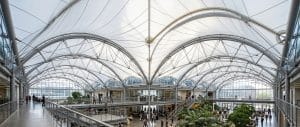
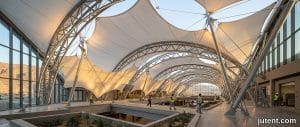
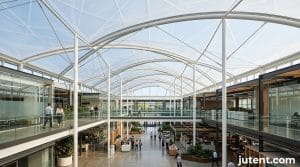
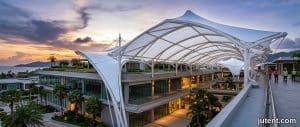
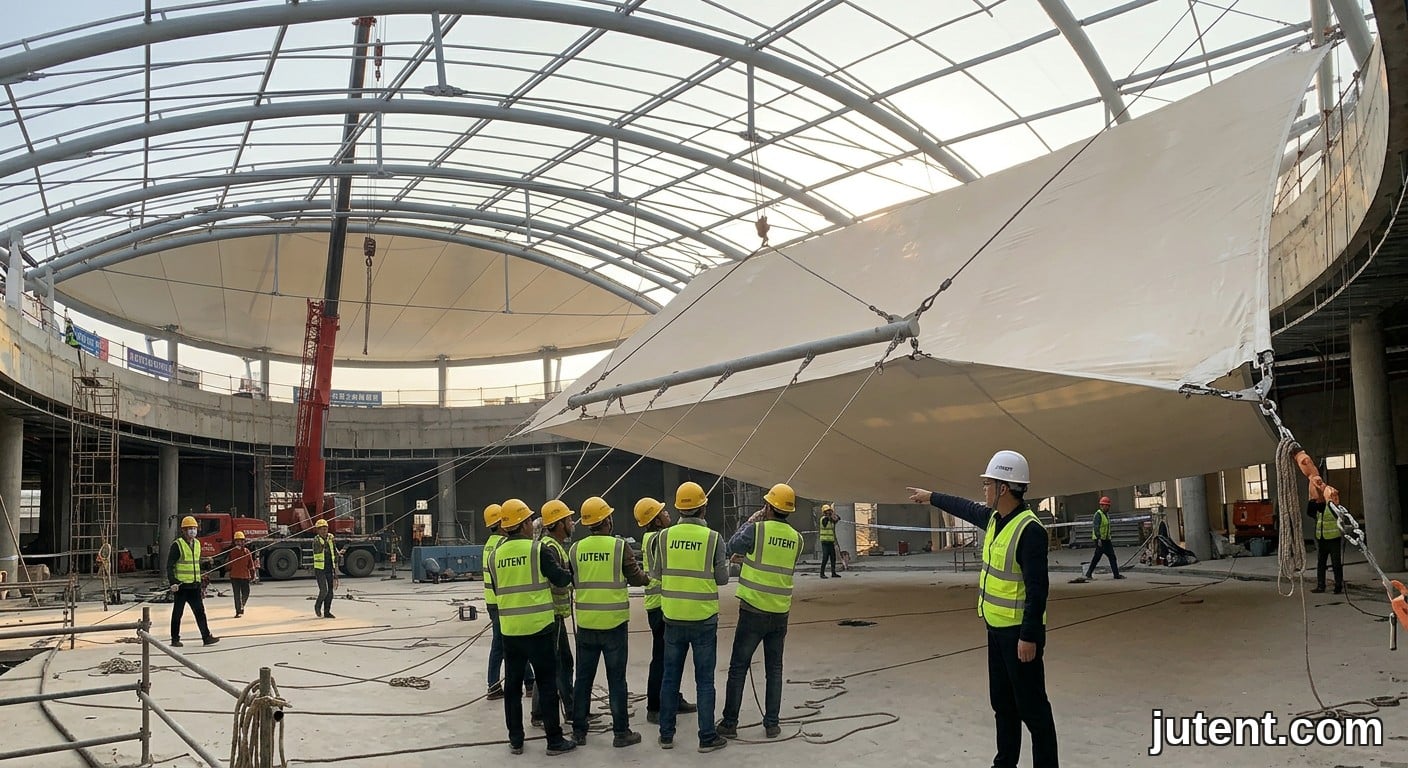
A tensile membrane structure, also known as a tensile fabric structure, uses a flexible membrane (such as PVDF or PTFE) stretched over a steel framework to create lightweight, durable roofs and canopies. Understanding the difference between PVDF and PTFE membranes is key to selecting the right material for your atrium skylight. PVDF membranes offer a 15+ year lifespan with self-cleaning properties, while PTFE membranes last 25+ years with higher fire resistance. For contractors asking ‘how to install a tensile membrane structure,' the process involves precise patterning, pre-assembly, and tensioning on site.
Why Atrium Tensile Skylight Manufacturer Selection Matters
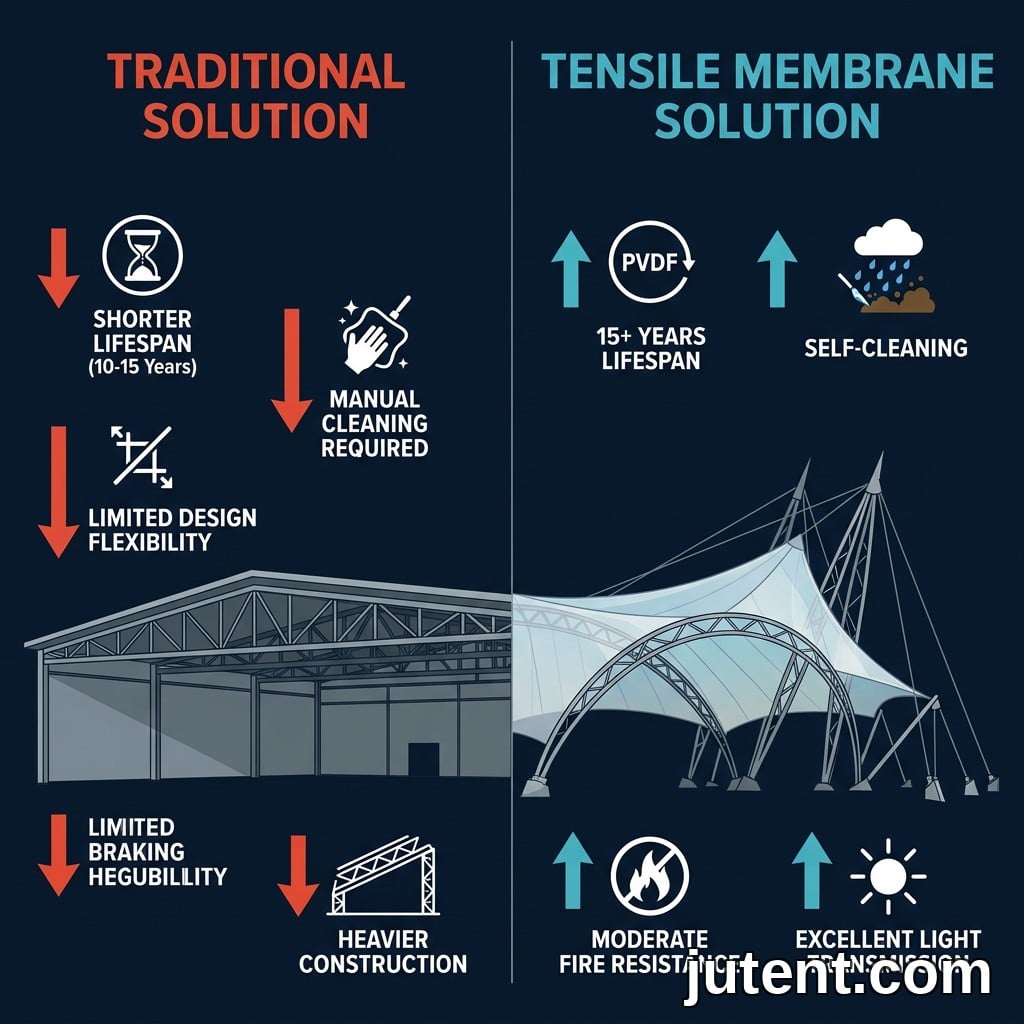
Selecting the right atrium tensile skylight manufacturer is a critical decision that directly impacts project timelines, budget, and, most importantly, structural integrity and safety. A poorly chosen supplier can lead to costly delays, non-compliance with local building codes, and even structural failure. For contractors and procurement managers, the due diligence process must extend beyond just competitive pricing. It involves a deep dive into the manufacturer's engineering capabilities, material sourcing, production processes, and logistical efficiency. The unique demands of an atrium tensile skylight – often large-span, exposed to significant environmental loads, and integral to a building's aesthetic and functional design – necessitate a partner with proven expertise. Based on Jutent's experience across 400+ projects in 30+ countries [link to /case-studies/], overlooking key verification steps can result in significant rework and reputational damage. Prioritizing a manufacturer's ability to provide verifiable documentation and adhere to international standards is paramount. This ensures that the final structure not only meets design specifications but also stands the test of time and environmental challenges.
Engineering Capability: Wind Load and Structural Calculations
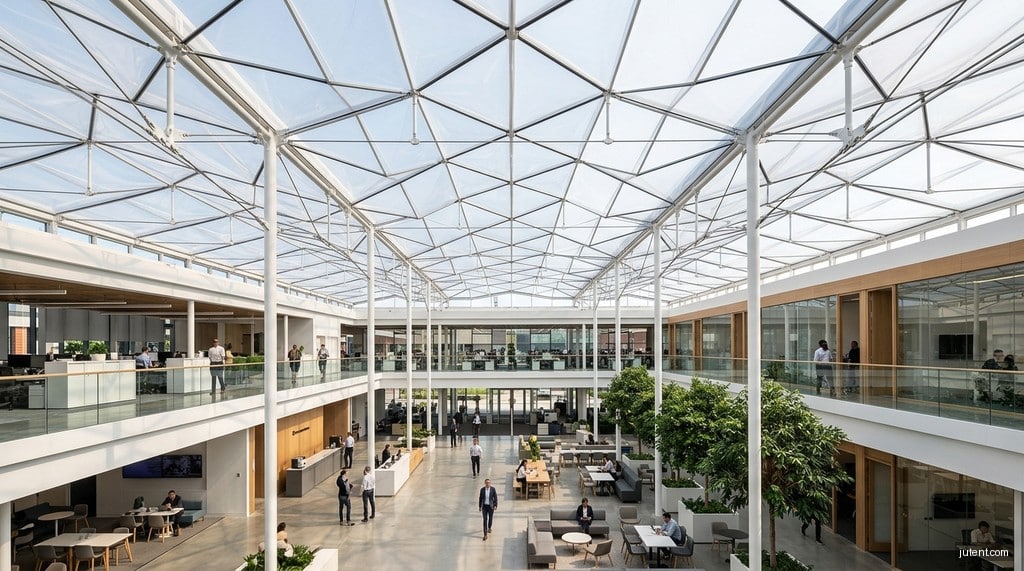
The structural integrity of an atrium tensile skylight hinges entirely on precise engineering. Wind load calculations are particularly critical, as these structures often present large surface areas susceptible to significant uplift and downforce. A reputable atrium tensile skylight manufacturer must demonstrate reliable in-house engineering capabilities, including the use of advanced finite element analysis (FEA) software. Contractors should request detailed structural calculations, not just for the membrane, but for the entire supporting steel framework. These calculations should account for local wind speeds, snow loads, seismic activity, and any specific environmental factors relevant to the project site. The steel used, typically Q235B or Q355B, must be appropriately sized and treated with epoxy zinc-rich primer and an acrylic or fluorocarbon topcoat, or hot-dip galvanizing, to ensure longevity and corrosion resistance. Verification should include reviewing the qualifications of the engineering team and their experience with similar large-span tensile structures. For export projects, Jutent can provide design drawings, calculations, material specifications, installation manuals, and free remote guidance [link to /engineering-services/], subject to project scope and contract terms.
About
Membrane Brand and Test Certificates: What to Ask For
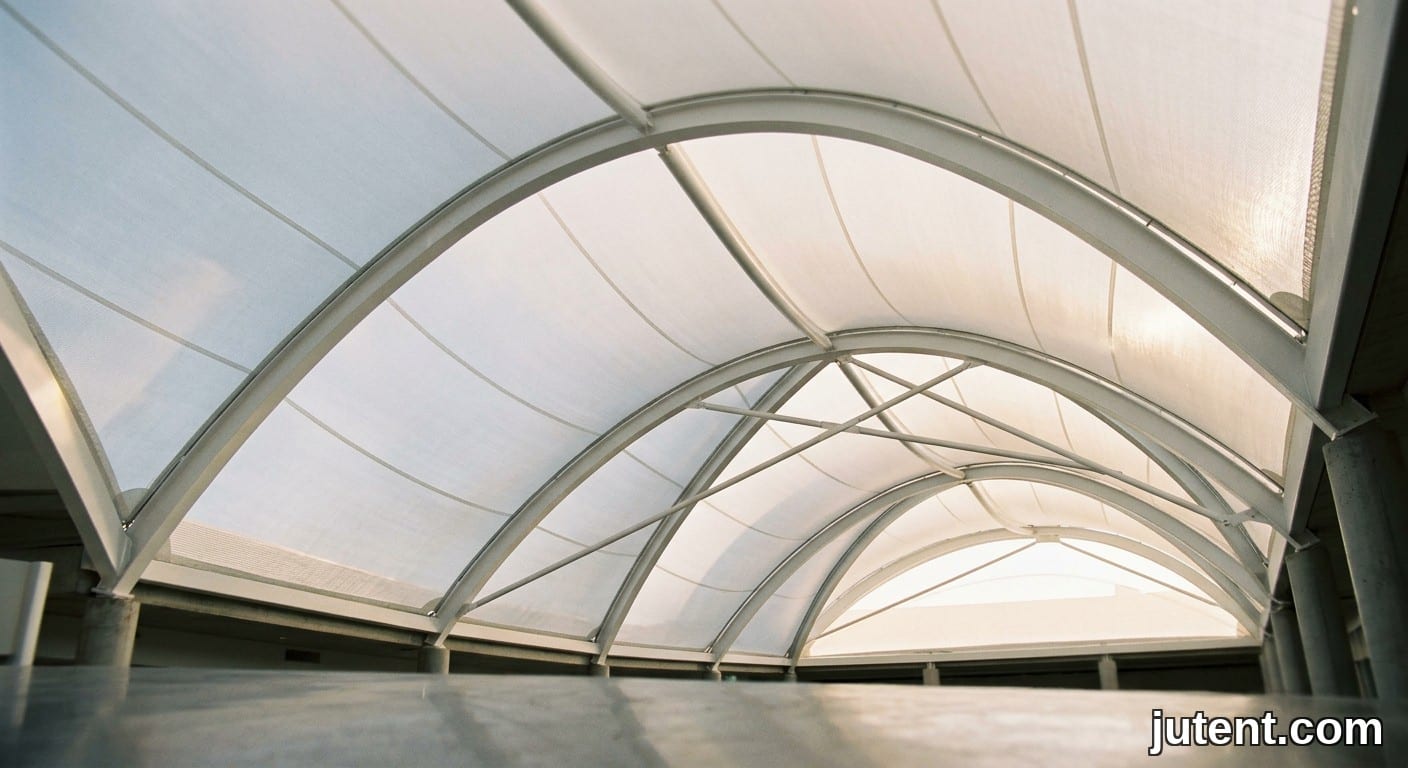
The membrane is the defining feature of any atrium tensile skylight, and its quality directly impacts performance and lifespan. When evaluating an atrium tensile skylight supplier, it is imperative to verify the membrane brand and request thorough test certificates. Do not accept generic “tensile fabric” claims. Reputable manufacturers will specify the exact brand and type of membrane, such as 1050 g/m² PVDF or PTFE. For PVDF membranes, expect a 10-year warranty and a service life of 15+ years. For PTFE, expect a 15-year warranty and a service life of 25+ years. Key test certificates to request include:
* Tensile Strength: Verifies the membrane's ability to withstand pulling forces.
* Tear Strength: Important for preventing propagation of small tears.
* Fire Rating: Essential for building code compliance (e.g., B1, A2).
* UV Resistance: Confirms the membrane's ability to resist degradation from sunlight.
* Self-Cleaning Properties: For PVDF, this relates to the surface coating's ability to shed dirt.
* Light Transmittance: Crucial for managing natural light within the atrium.
* Manufacturer's Warranty: A clear statement of coverage and duration.
Always cross-reference the membrane brand and specifications with independent industry standards. An atrium tensile skylight factory should be transparent about its material sourcing and provide documentation directly from the membrane manufacturer.
Production Lead Time and Logistics
Efficient production lead time and reliable logistics are non-negotiable for contractors managing tight project schedules. When engaging an atrium tensile skylight OEM, inquire about their typical production capacity and current workload. A clear, itemized production schedule should be
“`