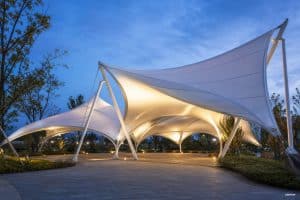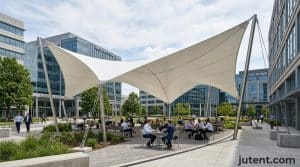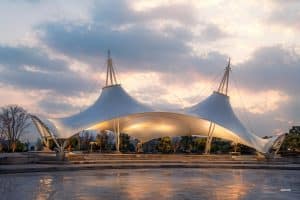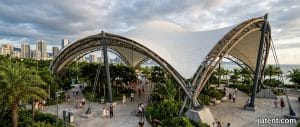

For contractors across Africa, sourcing a park tensile shade structure locally often means limited options and high prices. The local market, while growing, can struggle to meet the demand for high-quality, durable, and aesthetically pleasing tensile structures required for public parks, recreational areas, and commercial developments. This often leads to compromises on material quality, design complexity, or project timelines. local fabrication capabilities might not always align with international standards for engineering, material specifications, or warranty provisions. This article explores how importing a park tensile shade structure from China offers a practical solution, addressing these supply gaps and providing a competitive edge for African contractors.
If you're new to tensile structures, a tensile membrane structure is a fabric-covered roof system using PVDF or PTFE membranes stretched over a steel frame. PVDF membrane offers excellent UV resistance and self-cleaning properties with a 15+ year lifespan, while PTFE membrane lasts 25+ years. Understanding the difference between PVDF and PTFE is key to choosing the right material for your park shade structure.
Why African Contractors Source Park Tensile Shade Structure from China
African contractors frequently turn to international suppliers for park tensile shade structures due to a combination of factors, primarily driven by cost-effectiveness, material quality, and design flexibility. Local manufacturing often faces challenges such as limited access to specialized materials like high-grade PVDF or PTFE membranes, or the advanced fabrication machinery required for complex tensile designs. This can result in higher production costs and a narrower range of design options.
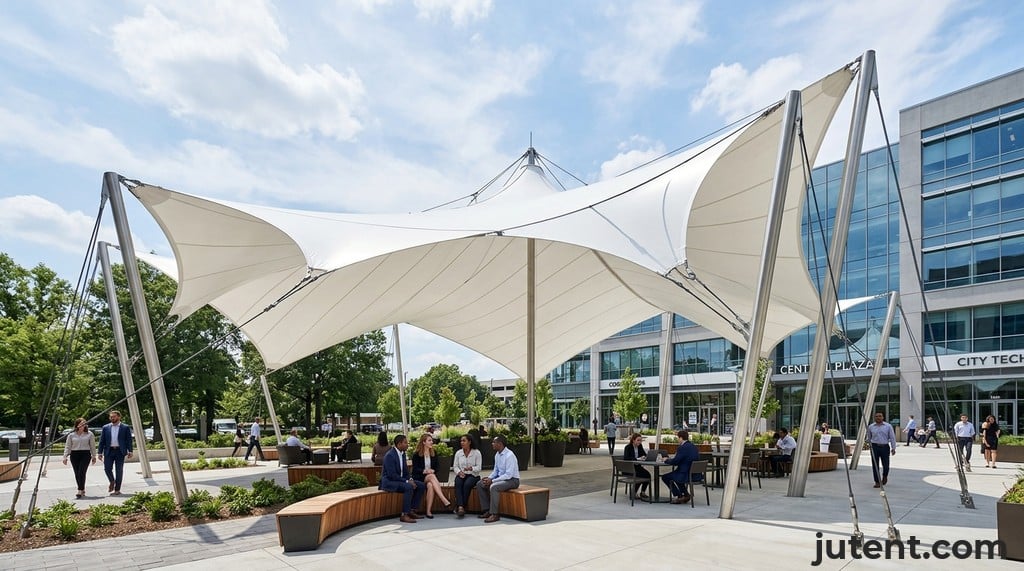
Importing from China, however, opens up a world of possibilities. Manufacturers like Jutent Engineering, with 400+ projects in 30+ countries, offer competitive pricing without compromising on quality. They follow rigorous quality control processes aligned with international standards, ensuring consistent product quality and reliability. Contractors can specify high-performance membranes like 1050 g/m² PVDF with a 10-year warranty and 15+ years service life, or PTFE with a 15-year warranty and 25+ years service life, which are often difficult to source consistently or affordably within Africa. The ability to choose specific steel grades like Q235B or Q355B, along with approved surface treatments such as hot-dip galvanizing or epoxy zinc-rich primer with fluorocarbon topcoat, ensures the structure's longevity in diverse African climates. This strategic sourcing allows contractors to deliver superior projects, such as those found in our Park Landscape tensile structure projects, meeting both budget and quality expectations.
What to Specify When Importing: Membrane Grade, Steel, and Documentation
When importing a park tensile shade structure, meticulous specification is crucial to ensure the final product meets local requirements and withstands environmental conditions. The primary components to focus on are the membrane grade, steel specifications, and the necessary documentation.
Membrane Grade: For African climates, which can range from intense sun to heavy rainfall, specifying a durable membrane is paramount. PVDF (Polyvinylidene Fluoride) coated polyester fabric is a popular choice, offering excellent UV resistance, self-cleaning properties, and a typical service life of 15+ years. For projects demanding even greater longevity and extreme weather resistance, PTFE (Polytetrafluoroethylene) coated fiberglass fabric is superior, with a service life of 25+ years. A common membrane weight for PVDF-coated polyester is 1050 g/m², while PTFE membranes typically range from 800-1200 g/m² depending on the specific fabric grade.
Steel Specifications: The structural steel framework is the backbone of any tensile structure. Specifying steel grades like Q235B or Q355B ensures adequate strength. Crucially, the surface treatment must be appropriate for the local environment. Approved options include hot-dip galvanizing for superior corrosion protection, or a multi-layer system such as epoxy zinc-rich primer followed by an acrylic or fluorocarbon topcoat. Fasteners should be SS304 as standard, with SS316 available as an optional upgrade for coastal or highly corrosive environments.
Documentation: Thorough documentation is vital for customs clearance, local permitting, and installation. For export projects, Jutent can provide design drawings, engineering calculations, material specifications, installation manuals, and free remote guidance, subject to project scope and contract terms. This includes detailed structural analysis, wind load calculations (critical for areas prone to strong winds), and material certifications. Typical technical values should always be written conservatively and described as subject to project design. This ensures compliance with local building codes and provides a clear roadmap for successful project execution.
Park Tensile Shade Structure Guide
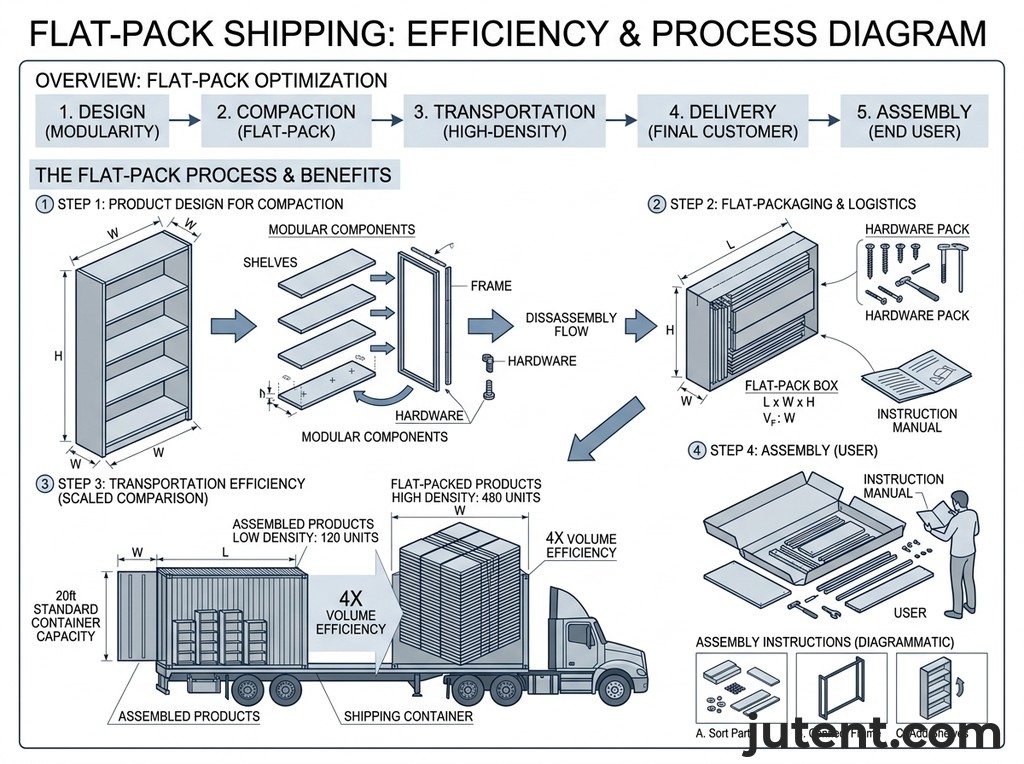
Shipping Park Tensile Structures to African Ports: Packing and Logistics Guide
Efficient and secure shipping is a cornerstone of successful international procurement for park tensile shade structures. The process is carefully managed to ensure all components