
“`html
Not every tensile structure manufacturer can deliver a retail walkway canopy with the wind rating and documentation your project requires. Here's what to verify before signing. Whether you need a tensile fabric structure, PVDF membrane canopy, or PTFE membrane roof, understanding the engineering behind severe weather resilience is critical.
Engineering a Tensile Membrane Structure for Severe Weather Resilience: A Retail Walkway Canopy Manufacturer's Guide
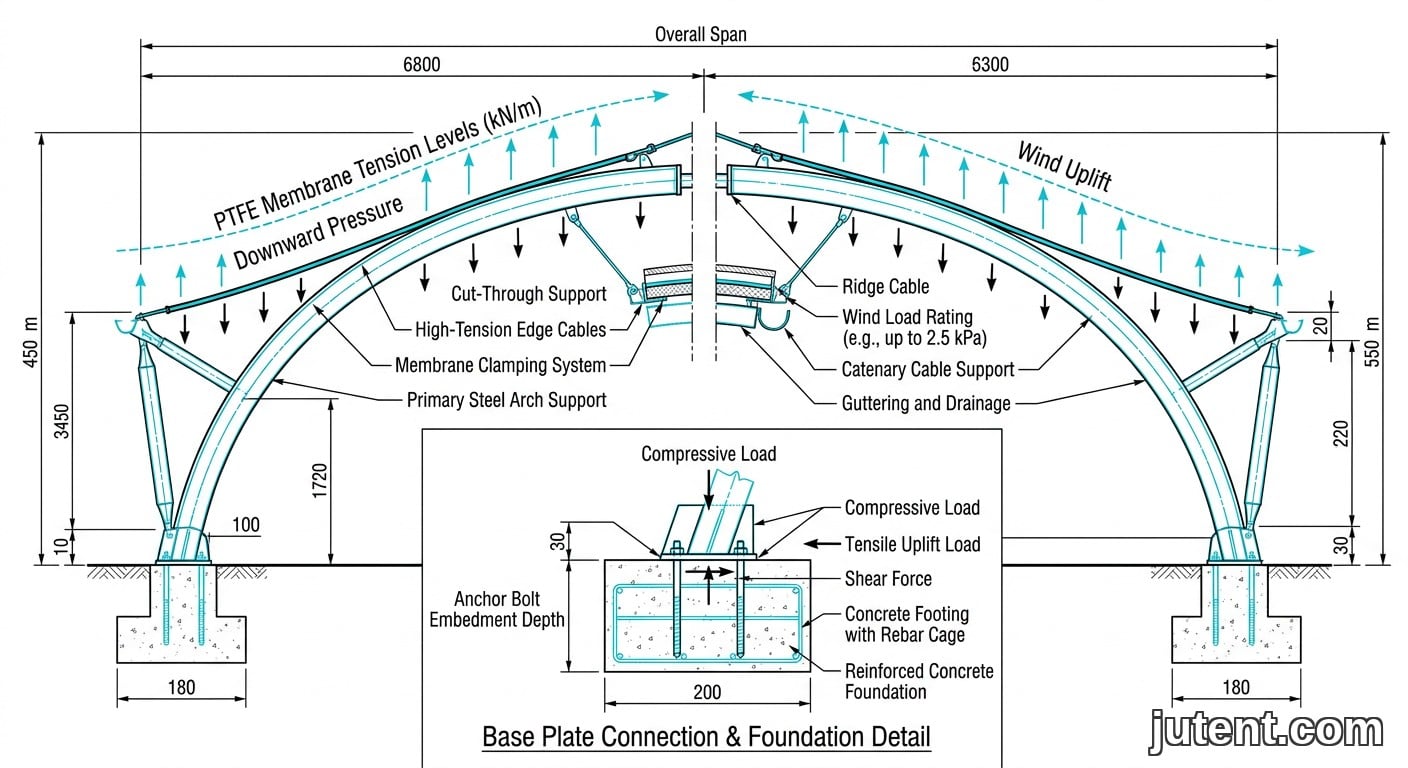
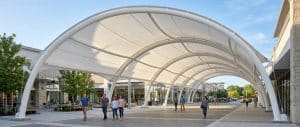
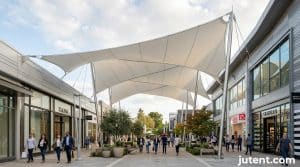
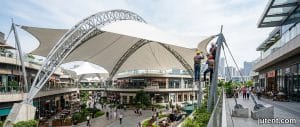
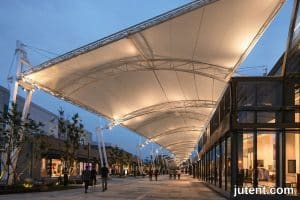
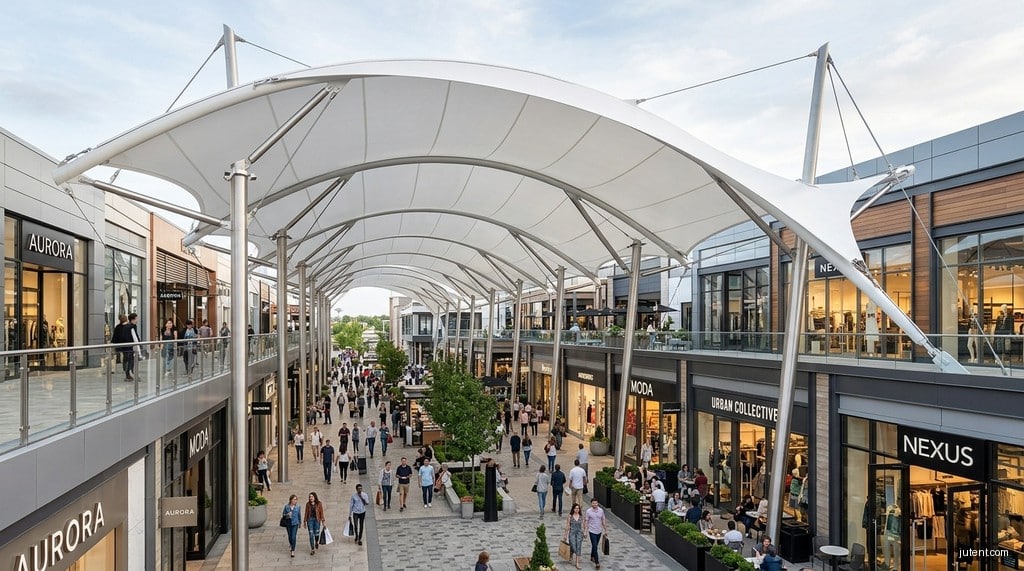
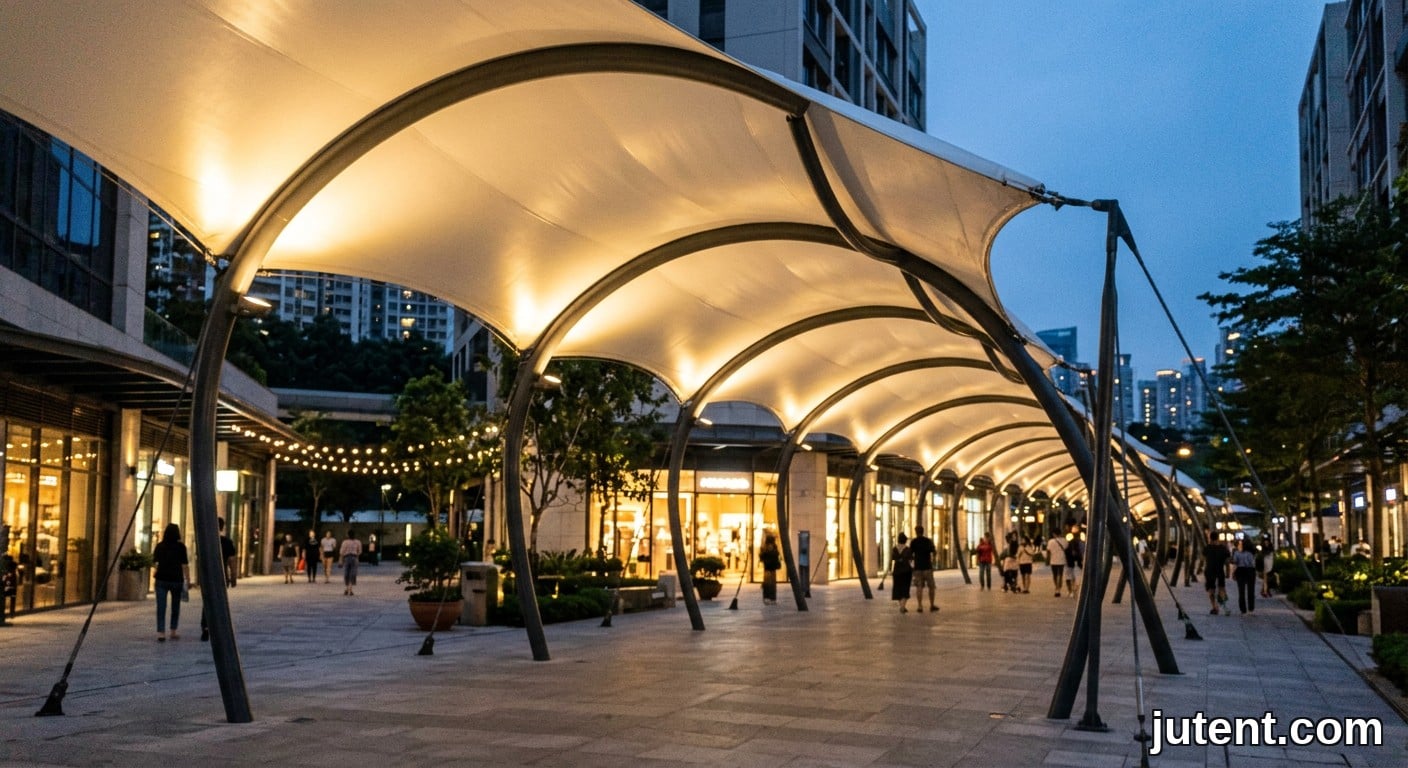
Selecting the right retail walkway canopy manufacturer is a critical decision that directly impacts project timelines, budget, structural integrity, and long-term performance. A poorly chosen supplier can lead to significant delays, costly rework, and even structural failures, especially when dealing with complex tensile structures exposed to varying environmental conditions. For contractors and procurement managers, due diligence extends beyond just competitive pricing; it involves a deep dive into a manufacturer's technical capabilities, quality control, and logistical prowess. The structural integrity of a retail walkway canopy, particularly its ability to withstand local wind loads, is non-negotiable. Ensuring compliance with local building codes and international standards requires a manufacturer with proven engineering expertise and a transparent documentation process. This initial vetting phase prevents future headaches and ensures the final installation meets all safety and aesthetic requirements. A reliable manufacturer provides peace of mind, knowing that the structure will perform as intended for its entire service life. Retail Walkways
Engineering Capability: Wind Load and Structural Calculations
The primary technical consideration for any retail walkway canopy is its ability to withstand local environmental forces, predominantly wind loads. A reputable retail walkway canopy manufacturer must demonstrate reliable engineering capabilities, providing detailed structural calculations that account for the specific project location's wind speed, terrain category, and building height. These calculations should be based on recognized international standards (e.g., ASCE 7, Eurocode, or local equivalents) and clearly outline the design parameters for the steel framework and membrane. Requesting a full set of engineering drawings, including connection details, foundation loads, and material specifications (e.g., Q235B or Q355B steel grades), is essential. Verify that the manufacturer employs qualified structural engineers and utilizes industry-standard software for analysis. For export projects, Jutent can provide design drawings, calculations, material specifications, installation manuals, and free remote guidance, subject to project scope and contract terms. This documentation is crucial for local permitting and ensuring the structure's long-term safety and stability. Without verifiable engineering, the risk of structural failure or non-compliance is unacceptably high.
About
Membrane Brand and Test Certificates: What to Ask For
The performance and longevity of a retail walkway canopy are heavily dependent on the quality of its membrane. When evaluating a retail walkway canopy supplier, it is imperative to inquire about the specific membrane brand and type they propose, along with corresponding test certificates. Standard options typically include PVDF (Polyvinylidene Fluoride) or PTFE (Polytetrafluorofluoroethylene) coated fabrics. Request documentation that verifies the membrane's material composition, tensile strength, tear resistance, fire rating, UV resistance, and self-cleaning properties. These certificates should come from independent, accredited laboratories, not just the manufacturer's internal tests. For instance, a 1050 g/m² PVDF membrane is a common standard, offering a 10-year warranty and 15+ years service life. PTFE membranes, while typically adding ~$20/m² to the cost, provide a 15-year warranty and 25+ years service life. Always confirm the warranty period offered by both the membrane manufacturer and the tensile structure fabricator. Understanding these specifications ensures the membrane will withstand environmental exposure and maintain its aesthetic and structural integrity over time.
Production Lead Time and Logistics
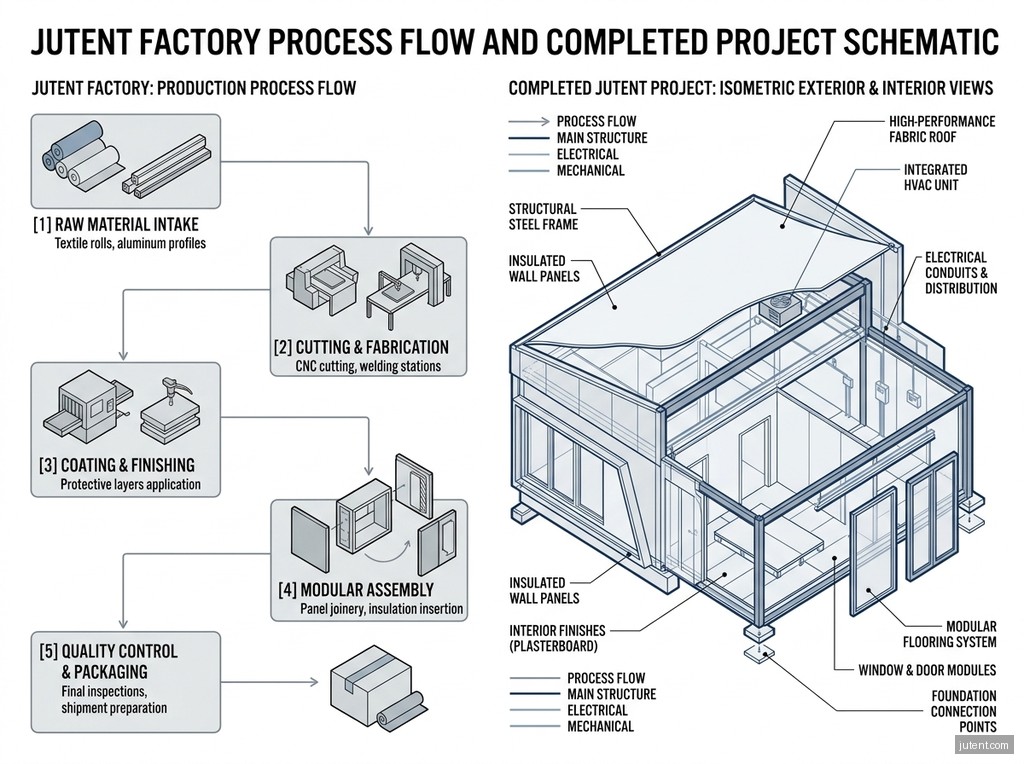
Efficient project execution hinges on predictable production lead times and reliable logistics. When engaging a retail walkway canopy factory, obtain a clear and detailed production schedule, outlining each stage from design approval to fabrication completion. Inquire about their typical capacity and how they manage multiple projects simultaneously. A transparent manufacturer will provide a realistic timeline, factoring in material procurement, fabrication, quality control, and packaging. For international shipments, understanding the logistics process is equally important. Ask about their experience with export documentation, customs clearance, and preferred shipping methods (e.g., EXW, FOB, CIF). Confirm packaging standards to ensure the steel framework (finished wit
“`