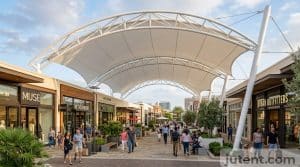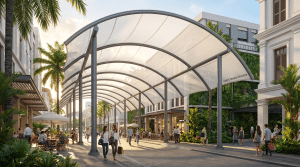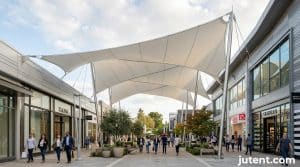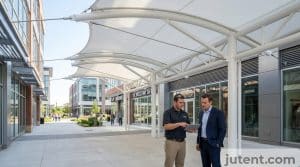

Not every tensile structure manufacturer can deliver a retail walkway canopy with the wind rating and documentation your project requires. Here's what to verify before signing.
Why Retail Walkway Canopy Manufacturer Selection Matters
Selecting the right retail walkway canopy manufacturer is a critical decision that directly impacts project safety, longevity, and budget. A poorly chosen supplier can lead to significant delays, cost overruns, and, most importantly, structural failures that compromise public safety and your company's reputation. For contractors and procurement managers, due diligence isn't just a best practice; it's a necessity. The structural integrity of a retail walkway canopy, especially in high-traffic commercial environments, demands meticulous attention to engineering, material quality, and manufacturing precision.
Consider the diverse environmental conditions these structures must withstand – from heavy snow loads in temperate climates to hurricane-force winds in coastal regions. Without a manufacturer capable of meeting these specific demands, your project faces unacceptable risks. A thorough vetting process ensures that the chosen partner can provide the necessary certifications, guarantees, and technical support. This isn't merely about finding the lowest price; it's about securing a reliable, compliant, and durable solution that protects your investment and the public. Retail Walkways
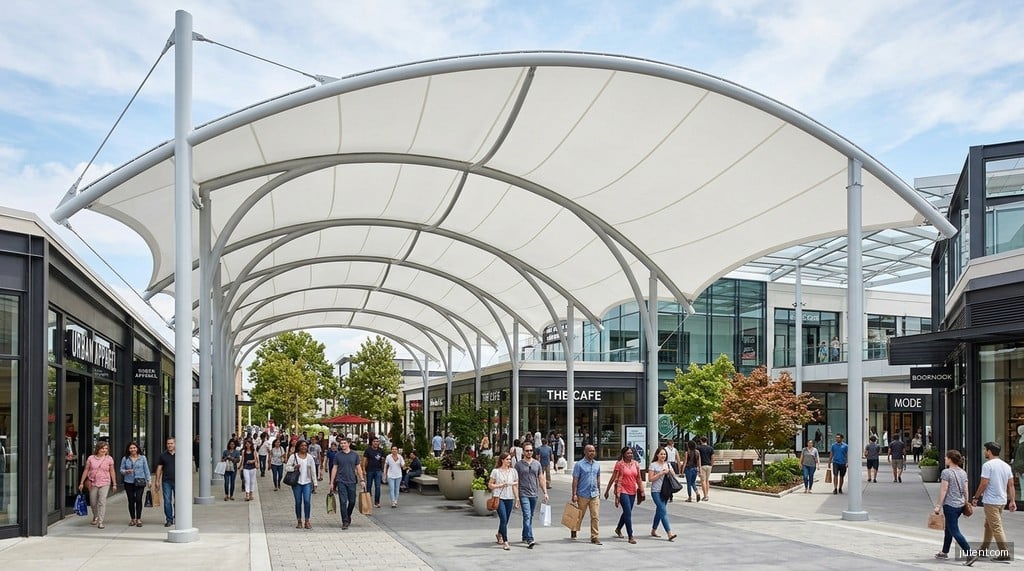
Engineering Capability: Wind Load and Structural Calculations
The structural integrity of any tensile structure, particularly a retail walkway canopy, hinges entirely on reliable engineering. When evaluating a potential retail walkway canopy manufacturer, their engineering capability is paramount. You must verify their ability to provide thorough structural calculations that account for all relevant environmental loads, including wind, snow, and seismic forces specific to your project's location. A reputable manufacturer will not only perform these calculations but will also provide them in a clear, verifiable format.
Request detailed design drawings and engineering reports stamped by a qualified structural engineer. These documents should clearly outline the steel grades used (e.g., Q235B, Q355B), connection details, and membrane tensioning specifications. For projects in regions prone to high winds, specific wind load calculations are non-negotiable. Ensure the manufacturer can demonstrate experience with projects requiring high wind ratings, providing evidence of successful installations in similar conditions. Based on Jutent's experience across 400+ projects in 30+ countries, we understand the critical importance of localized wind load analysis. Always work with a local registered engineer to review and approve these calculations for local building code compliance. About
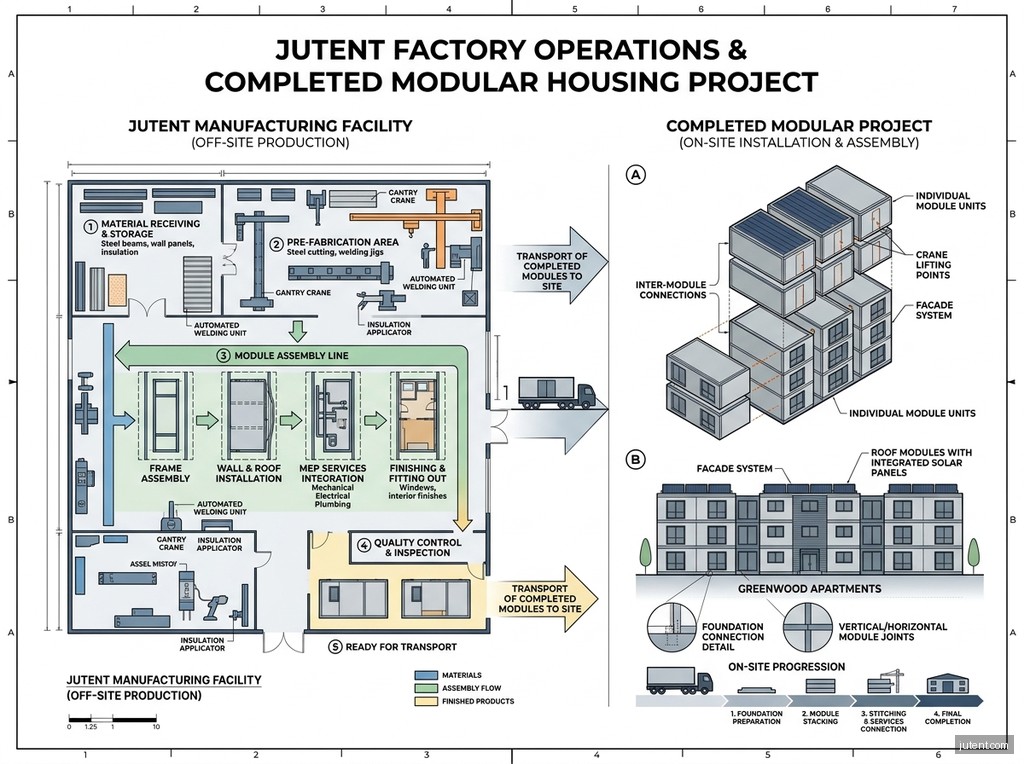
Membrane Brand and Test Certificates: What to Ask For
The membrane is the most visible and often the most vulnerable component of a retail walkway canopy. Its quality directly impacts the structure's lifespan, aesthetic appeal, and performance. When evaluating a retail walkway canopy supplier, demand specific information and documentation regarding the membrane material.
First, identify the membrane type. PVDF (Polyvinylidene Fluoride) and PTFE (Polytetrafluoroethylene) are standard choices for tensile structures, each with distinct properties. PVDF membranes typically offer a 10-year warranty and a 15+ year service life, while PTFE membranes boast a 15-year warranty and 25+ year service life. Ask for the manufacturer and brand of the membrane material. A reputable retail walkway canopy factory will use well-known, certified brands, not generic alternatives.
Crucially, request test certificates for the specific membrane material being proposed. These certificates should verify key properties such as tensile strength, tear strength, fire rating (e.g., B1, A2), UV resistance, and anti-fungal treatments. Ensure the certificates are current and issued by independent, accredited testing laboratories. For example, a standard membrane like 1050 g/m² PVDF or PTFE should have corresponding documentation. Do not accept vague assurances; specific, verifiable documentation is essential for quality assurance and warranty validation.
Production Lead Time and Logistics
Efficient project execution relies heavily on predictable production lead times and reliable logistics. When engaging a retail walkway canopy manufacturer, especially a retail walkway canopy manufacturer China, understanding their capabilities in these areas is crucial for project scheduling and budget management.
Begin by requesting a detailed production schedule that outlines each stage, from design approval to fabrication and pre-shipment inspection. Clarify the typical lead time for a project of your scope, keeping in mind that complex designs or large volumes will naturally require more time. A minimum project scope of 100 m² is common for specialized manufacturers.
Next, discuss logistics. How will the finished structure be packaged and shipped? What are the typical transit times to your project location? A seasoned retail walkway canopy supplier will have established relationships with international freight forwarders and can provide clear estimates for shipping costs and delivery schedules. Inquire about their experience with customs clearance and import documentation, as this can be a significant bottleneck for international procurement. For export projects, Jutent can provide design drawings, calculations, material specifications, installation manuals, and free remote guidance, subject to project scope and contract terms. Understanding these logistical details upfront helps mitigate potential delays and unexpected costs, ensuring a smoother project timeline.
References from Similar Projects
One of the most reliable indicators of a retail walkway canopy manufacturer's capability and reliability is their track record. Always request references from similar projects, ideally those completed within the last three to five years. This allows you to assess their performance on projects comparable in scale, complexity, and environmental conditions to your own.
When reviewing references, focus on projects that involved retail environments or public access areas, as these often have stricter safety and aesthetic requirements. Ask for contact information for the clients or contractors involved in those projects. When you speak with these references, inquire about specific aspects:
* Project Delivery: Was the project completed on time and within budget?
* Product Quality: How did the final product perform? Were there any issues with materials or fabrication?
* Communication: How responsive and transparent was the manufacturer throughout the project lifecycle?
* Post-Installation Support: Did they provide adequate support or address any concerns after installation?
* Documentation: Were all necessary engineering documents, warranties, and certificates provided promptly?
A manufacturer with a strong portfolio and positive client testimonials, such as Jutent's 400+ projects in 30+ countries, demonstrates a consistent ability to deliver high-quality results. This step is vital for validating their claims and ensuring you partner with a proven retail walkway canopy OEM.
FAQ
- What is the advantage of sourcing a retail walkway canopy from a Chinese manufacturer?
- Chinese manufacturers typically offer 30–50% lower supply cost than local fabricators. This cost efficiency stems from economies of scale, optimized production processes, and competitive labor rates. While cost is a primary driver, many Chinese manufacturers, like Jutent, also adhere to international quality standards (e.g., ISO 9001, SGS certified) and utilize high-grade materials (e.g., Q235B, Q355B steel, 1050 g/m² PVDF membrane), providing a compelling value proposition without compromising on quality or engineering.
- How do I verify wind load compliance for a retail walkway canopy from China?
- To verify wind load compliance, first request thorough engineering calculations from the retail walkway canopy factory. These calculations should be specific to your project's location and local building codes. Ensure they are stamped by a qualified structural engineer. Next, engage a local registered engineer in your project's region to review and approve these calculations. This local review is crucial for ensuring the design meets all regional regulatory requirements and for obtaining necessary local building permits. Typical technical values should always be written conservatively and described as subject to project design.
Contact Jutent with your project details and we'll provide full verification documentation within 48 hours.