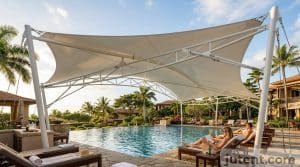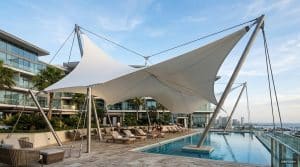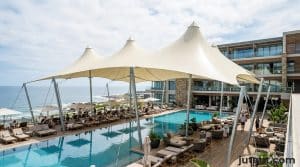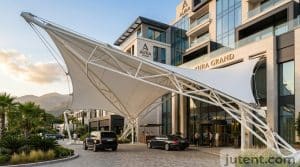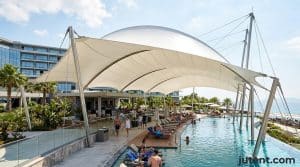

For contractors in Nigeria, Kenya, and South Africa, sourcing a hotel tensile canopy locally often means limited options and high prices. The reality on the ground often presents a dilemma: compromise on design and material quality, or face inflated costs and extended lead times for bespoke solutions. This challenge is particularly acute when aiming for the sophisticated aesthetic and durable performance required for high-end hospitality projects. However, a well-structured import strategy from established manufacturers in China offers a compelling alternative, providing access to a wider range of designs, superior material specifications, and significant cost efficiencies without sacrificing quality or project timelines. Here's how importing from China works in practice, offering a clear path to delivering exceptional hotel tensile canopy projects across the African continent.
Why African Contractors Source Hotel Tensile Canopy from China
The demand for high-quality, aesthetically pleasing, and durable hotel tensile canopy structures is growing across Africa, particularly in tourism hotspots and urban centers. Local fabrication options, while sometimes convenient for smaller, simpler structures, often fall short when it comes to complex designs, advanced membrane materials, and competitive pricing for larger-scale hotel projects. This is where importing from China becomes a strategic advantage. Manufacturers like Jutent Engineering offer specialized expertise, economies of scale, and a proven track record in delivering sophisticated tensile structures globally.
African contractors benefit from access to a vast array of design possibilities, from elegant entrance canopies to expansive poolside shades and outdoor dining areas. The ability to specify high-performance PVDF or PTFE membranes, coupled with reliable steel frameworks, ensures longevity and resistance to Africa's diverse climates, from coastal humidity to intense solar radiation. the cost-effectiveness of Chinese manufacturing, even factoring in shipping and duties, frequently results in a more attractive overall project budget compared to local alternatives. This allows contractors to offer superior products to their clients while maintaining healthy profit margins. Jutent's experience across 400+ projects in 30+ countries demonstrates the global viability and quality of these imported solutions. This approach is particularly relevant for projects requiring specialized structures like those found in Hotel Leisure applications.
What to Specify When Importing: Membrane Grade, Steel, and Documentation
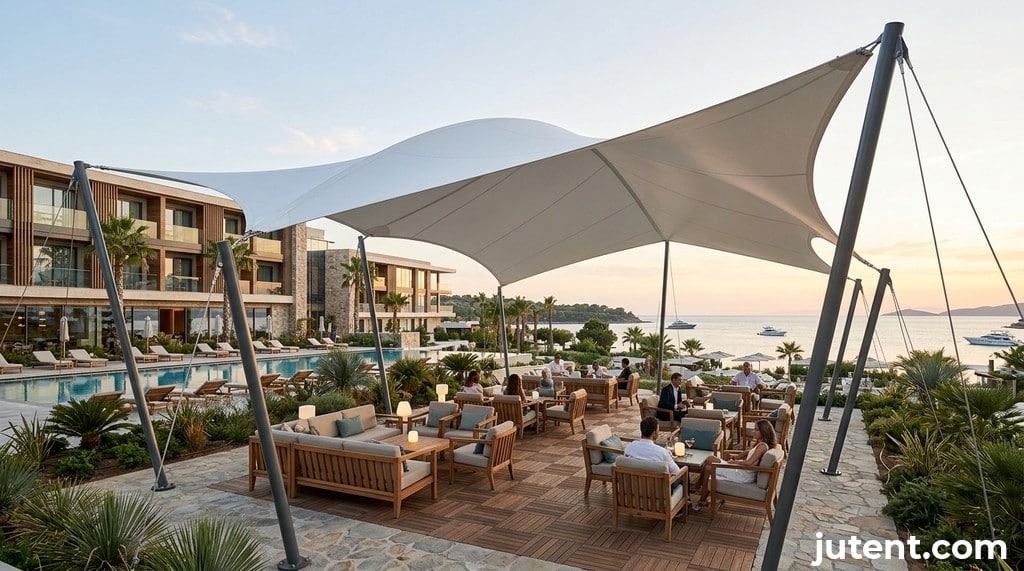
When importing a hotel tensile canopy to Africa, precise specification is paramount to ensure the structure meets local climate demands, building codes, and client expectations. The membrane material is a critical choice. Standard options include 1050 g/m² PVDF membrane, offering a 10-year warranty and 15+ years service life, or PTFE membrane, which provides a 15-year warranty and 25+ years service life for enhanced durability and self-cleaning properties. The choice depends on the project's budget, desired lifespan, and specific environmental exposure.
Steel specifications are equally vital. Jutent Engineering utilizes high-grade Q235B and Q355B steel, treated with approved surface finishes such as epoxy zinc-rich primer + acrylic topcoat, epoxy zinc-rich primer + fluorocarbon topcoat, or hot-dip galvanizing. These treatments provide excellent corrosion resistance, essential for coastal regions and areas with high humidity. For connection hardware, SS304 is standard, with SS316 available as an optional upgrade for superior corrosion resistance in extreme environments.
Documentation is a key component of a successful import. For export projects, Jutent can provide design drawings, calculations, material specifications, installation manuals, and free remote guidance, subject to project scope and contract terms. These documents are crucial for local permitting and ensuring a smooth installation process. Always ensure that the manufacturer provides thorough technical data sheets for all materials, confirming compliance with international standards. Typical technical values should always be written conservatively and described as subject to project design. For a deeper dive into specifications, refer to our Hotel Tensile Canopy Guide.
Shipping to African Ports: How Structures Are Packed
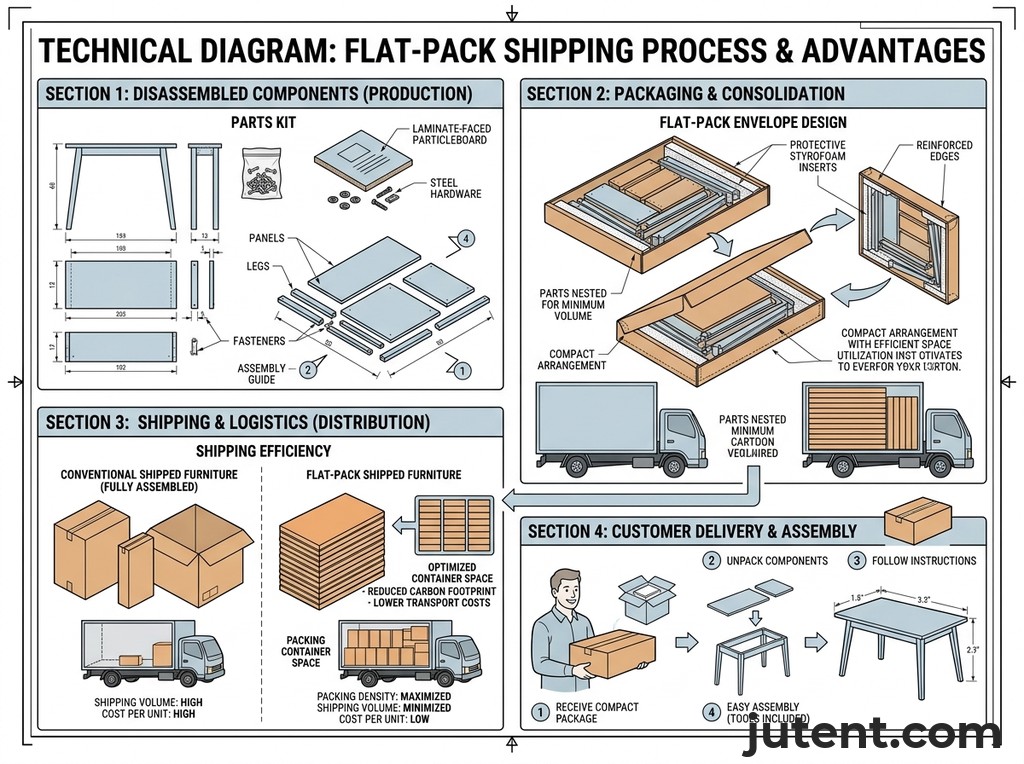
Efficient and secure shipping is a cornerstone of successful hotel tensile canopy imports to Africa. Tensile structures are meticulously prepared for international transport to minimize volume, prevent damage, and facilitate customs clearance. The primary method involves flat-packing steel components and carefully rolling membrane fabrics.
Steel elements, including columns, beams, and connection plates, are precisely fabricated, surface-treated, and then disassembled into manageable sections. These sections are then bundled and secured onto pallets or directly into containers, optimizing space. This flat-pack approach significantly reduces shipping volume compared to pre-assembled structures. A standard 20ft container can typically accommodate a 150–300m² structure, depending on its complexity and steel density. Larger projects may require 40ft containers or multiple units.
Membrane fabrics are rolled onto reliable cores, protected by multiple layers of heavy-duty wrapping to prevent creasing, punctures, or environmental exposure during transit. Smaller hardware, such as cables, clamps, and bolts (SS304 standard, SS316 optional), are carefully boxed and labeled. All components are clearly marked according to the installation drawings, simplifying identification upon arrival at the African port. This systematic packing ensures that all parts arrive in excellent condition, ready for assembly, whether the destination is Durban, Mombasa, or Lagos.
Cost Comparison: Import vs Local Fabrication in Key African Markets
When considering a hotel tensile canopy project in Africa, a detailed cost comparison between importing from China and local fabrication is essential. While local options might seem appealing due to proximity, they often come with limitations in material availability, specialized expertise, and economies of scale, particularly for complex or large-scale structures.
Importing from China (EXW per m²):
| Structure Type | PVDF Membrane (Simple Form) | PVDF Membrane (Complex Form) | PTFE Membrane (Simple Form) | PTFE Membrane (Complex Form) |
|---|---|---|---|---|
| Minimal Steel | $30–$50/m² | N/A | $50–$70/m² | N/A |
| Standard Steel | $40–$70/m² | $60–$90/m² | $60–$90/m² | $80–$110/m² |
Note: These are EXW (Ex Works) prices per square meter for projects with a minimum scope of 100 m². They do not include shipping, import duties, or local installation costs. PTFE membrane adds approximately $20/m² to the PVDF range.
Local Fabrication in Key African Markets (Estimated):
In markets like South Africa, Nigeria, and Kenya, local fabrication costs can vary widely. For simple, small-scale structures using basic PVC membranes and mild steel, prices might start from $50–$80/m². However, for structures requiring high-grade PVDF or PTFE membranes, Q355B steel, and specialized surface treatments, local costs can easily escalate to $100–$150/m² or higher. This is often due to the higher cost of importing raw materials, limited local manufacturing capacity for specialized components, and a smaller pool of skilled labor for complex tensile designs.
While local fabrication might offer perceived advantages in immediate oversight, the overall project cost, material quality, and design sophistication often favor importing from a specialized manufacturer like Jutent Engineering. The cost savings on the structure itself can often offset shipping and duty expenses, providing a superior product within a competitive budget.
FAQ
- Q: How are hotel tensile canopy structures shipped to Africa from China?
- A: Steel components are meticulously flat-packed onto pallets or directly into containers, optimizing space and preventing damage. Membrane fabrics are rolled onto reliable cores and securely wrapped. Smaller hardware is boxed and labeled. This efficient packing method allows for maximum utilization of container space; a standard 20ft container can typically carry a 150–300m² structure, depending on its design complexity and steel content.
- Q: What import duties apply to hotel tensile canopy structures in African countries?
- A: Import duties for hotel tensile canopy structures vary significantly by country across Africa. Factors such as the specific Harmonized System (HS) code, the country of origin, and existing trade agreements influence the applicable tariffs. Jutent Engineering provides thorough HS code documentation and material breakdowns to assist contractors in accurately calculating potential duty exposure and navigating the import process to help minimise duty exposure.
Tell us your project location in Africa and we'll provide a cost comparison and logistics plan.