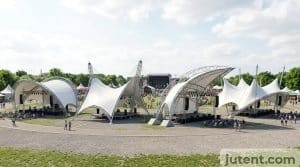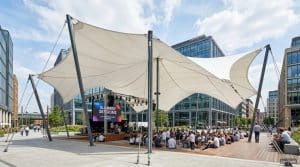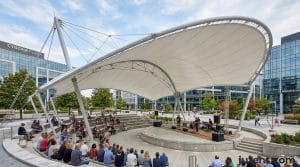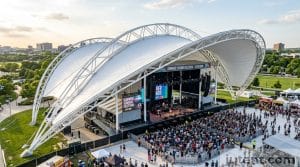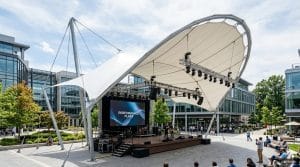

For contractors in Nigeria, Kenya, and South Africa, sourcing an amphitheater tensile canopy locally often means limited options and high prices. The challenge isn’t just about finding a supplier, but securing a solution that meets stringent quality standards, withstands diverse African climates, and remains within budget. Local fabrication might seem convenient, but it frequently comes with higher material costs, limited access to specialized membrane materials, and a smaller pool of experienced structural engineers. This often leads to compromises on design, durability, or overall project feasibility. Here’s how importing from China works in practice, offering a strategic alternative for high-quality, cost-effective tensile structures.
Why African Contractors Source Amphitheater Tensile Canopy from China
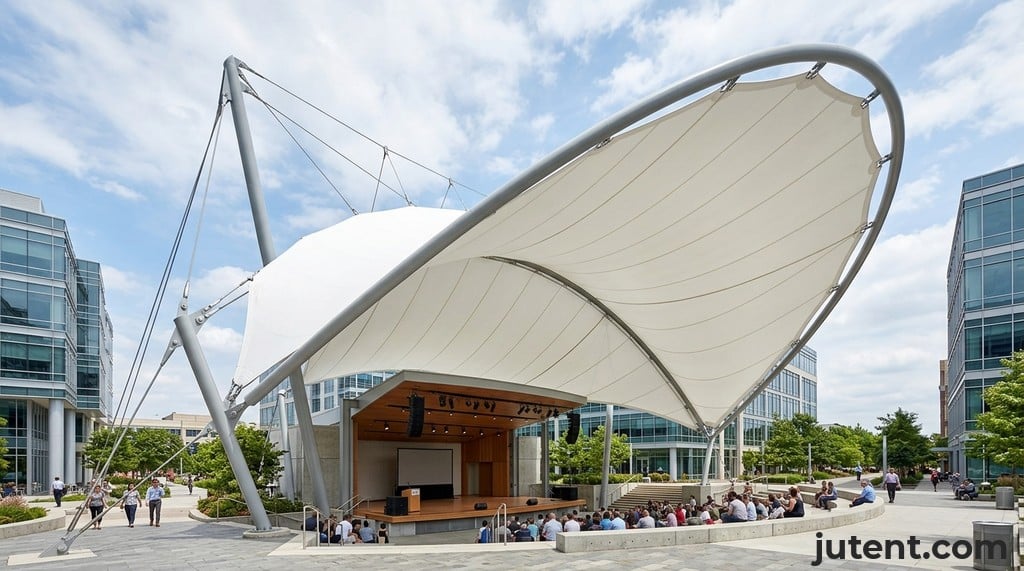
The demand for innovative, durable, and aesthetically pleasing public spaces across Africa is growing rapidly. Amphitheaters, in particular, require canopies that offer extensive shade, weather protection, and architectural flair. For many African contractors, the local market often presents significant hurdles when specifying an amphitheater tensile canopy Africa. These include a scarcity of specialized fabrication facilities, limited access to high-grade tensile membranes like PVDF or PTFE, and higher raw material costs. This often translates into inflated project budgets and extended lead times.
Importing from China, specifically from experienced manufacturers like Jutent Engineering, offers a compelling solution. Chinese manufacturers benefit from economies of scale, efficient supply chains, and advanced fabrication technologies, allowing them to produce high-quality structures at competitive prices. This is particularly true for complex designs or large-span structures where local expertise might be stretched. Chinese suppliers can provide a wider range of membrane options and steel finishes, ensuring the structure meets specific aesthetic and performance requirements, whether for an amphitheater tensile canopy South Africa, Nigeria, or Kenya. Based on Jutent’s experience across 400+ projects in 30+ countries, the cost-efficiency and material availability from China consistently outperform many local options. This strategic sourcing allows African contractors to deliver superior projects without compromising on budget or quality.
Amphitheater
What to Specify When Importing: Membrane Grade, Steel, and Documentation
When importing an amphitheater tensile canopy Africa, meticulous specification is crucial to ensure the final product meets project requirements and local conditions. The membrane grade is paramount. For most African climates, a 1050 g/m² PVDF membrane offers an excellent balance of durability, UV resistance, and cost-effectiveness, with a 10-year warranty and 15+ years service life. For projects demanding extreme longevity or superior self-cleaning properties, PTFE membrane (15-year warranty, 25+ years service life) is an ideal upgrade, though it adds approximately $20/m² to the cost.
Steel specifications are equally vital. Jutent Engineering typically uses Q235B or Q355B steel, which are reliable and suitable for structural applications. For surface treatment, hot-dip galvanizing provides superior corrosion protection, essential in coastal or high-humidity regions. Alternatively, an epoxy zinc-rich primer followed by an acrylic or fluorocarbon topcoat offers excellent durability and aesthetic flexibility. Never accept powder coating for structural steel.
Documentation is another critical aspect of the amphitheater tensile canopy Africa import process. For export projects, Jutent can provide design drawings, calculations, material specifications, installation manuals, and free remote guidance, subject to project scope and contract terms. These documents are essential for local permitting, customs clearance, and successful installation. Ensuring all documentation aligns with local building codes, even if only for reference, streamlines the project lifecycle.
Amphitheater Tensile Canopy Guide
Shipping to African Ports: How Structures Are Packed
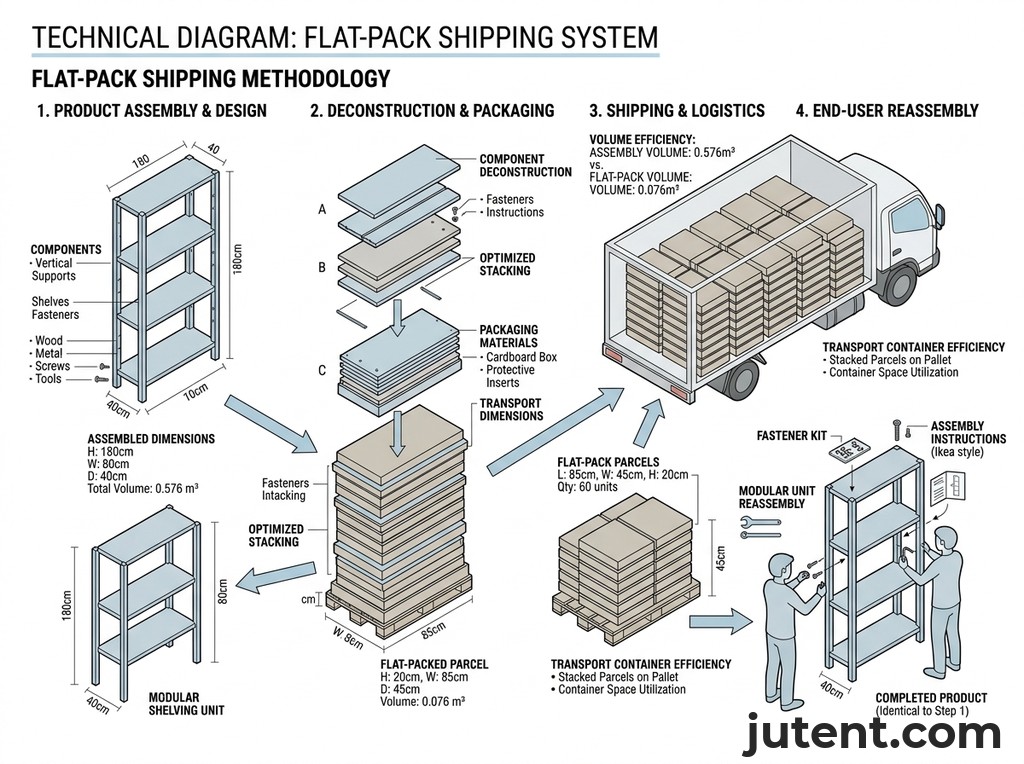
The logistics of shipping an amphitheater tensile canopy Africa from China are designed for efficiency and protection. Tensile structures, by their nature, are modular and can be disassembled for transport, significantly reducing shipping volume and costs. Steel components, which form the primary structural framework, are meticulously flat-packed. This involves bundling beams, columns, and connection plates into compact packages, often secured with steel strapping and protective wrapping to prevent damage during transit. Each component is clearly marked according to the installation drawings, simplifying identification upon arrival.
Membrane panels, whether PVDF or PTFE, are carefully folded or rolled and then securely packed in heavy-duty wooden crates or reliable industrial-grade bags. This prevents creasing, abrasion, and exposure to moisture or UV radiation during the long sea journey. Smaller components like cables, clamps, and connection hardware are organized into separate, clearly labeled boxes or crates. A standard 20ft shipping container can typically accommodate a 150–300m² tensile structure, depending on its complexity and steel tonnage. For larger projects, multiple 20ft or 40ft containers are utilized.
Upon arrival at major African ports such as Durban, Mombasa, or Lagos, the flat-packed components are ready for efficient offloading and transport to the project site. This systematic packing minimizes the risk of damage, simplifies inventory management, and ensures that all parts arrive in optimal condition, ready for assembly.
Cost Comparison: Import vs Local Fabrication in Key African Markets
For contractors in key African markets like Nigeria, Kenya, and South Africa, the decision to import an amphitheater tensile canopy Africa versus fabricating locally often boils down to a critical cost-benefit analysis. While local fabrication might seem to offer immediate convenience, it frequently comes with hidden costs and limitations that make importing from China a more financially viable and quality-driven option.
| Factor | Local Fabrication (Africa) | Import from China (Jutent Engineering) |
|---|---|---|
| Material Costs | Higher due to smaller bulk purchases, limited local supply. | Lower due to economies of scale, direct access to raw materials. |
| Membrane Sourcing | Limited options, often lower grades or higher import costs. | Wide range (PVDF, PTFE), high-grade, competitive pricing. |
| Fabrication Cost | Higher labor costs, less specialized equipment. | Lower labor costs, advanced automated fabrication, efficient processes. |
| Design & Engineering | May require external consultants, limited specialized expertise. | In-house expertise, 400+ projects experience, free remote guidance. |
| Quality Control | Varies widely, potentially inconsistent standards. | ISO 9001, SGS certified, stringent factory QC. |
| Lead Time | Can be extended due to material sourcing and capacity. | Efficient production cycles, streamlined export logistics. |
| Unit Cost (EXW) | Often 20-50% higher than imported equivalent. | PVDF simple: $40–$70/m²; PVDF complex: $60–$90/m². PTFE adds ~$20/m². |
| Warranty | Varies, often less comprehensive. | 1-year overall, 10-year PVDF, 15-year PTFE. |
Considering a minimum project scope of 100m², the EXW (Ex Works) pricing for a PVDF membrane, simple form, from Jutent Engineering typically ranges from $40–$70/m². Even with shipping, duties, and local handling, the total landed cost for an amphitheater tensile canopy Africa import often remains significantly below local fabrication costs, especially for projects requiring specialized materials or complex designs. This cost advantage, combined with Jutent’s proven quality and thorough support, makes importing a strategic choice for contractors aiming for optimal project outcomes.
FAQ
- Q: How are amphitheater tensile canopy structures shipped to Africa from China?
- A: Amphitheater tensile canopy structures are meticulously prepared for international shipping to ensure safe and efficient transit. Steel components, which form the primary framework, are carefully flat-packed and bundled, often secured with steel strapping and protective wrapping to minimize volume and prevent damage. Membrane panels, whether PVDF or PTFE, are either folded or rolled and then securely packed in reliable wooden crates or specialized industrial bags to protect them from creasing, abrasion, and environmental elements. A standard 20ft container can typically carry a 150–300m² structure, depending on its design complexity and the total steel tonnage. This systematic packing approach optimizes container space and simplifies handling upon arrival at African ports.
- Q: What import duties apply to amphitheater tensile canopy structures in African countries?
- A: Import duties for amphitheater tensile canopy structures vary significantly across different African countries. Each nation has its own tariff schedule and customs regulations, which can impact the final landed cost. Factors such as the specific type of materials (steel, membrane), the structure’s classification, and any existing trade agreements between China and the importing country can influence the applicable duty rates. To assist contractors in navigating these complexities and help minimise duty exposure, Jutent Engineering provides thorough HS (Harmonized System) code documentation for all components. This detailed classification helps customs officials accurately assess the goods, ensuring transparency and potentially reducing unexpected costs. Contractors are always advised to consult with a local customs broker for precise duty calculations.
Tell us your project location in Africa and we’ll provide a cost comparison and logistics plan.