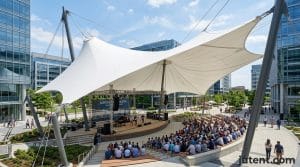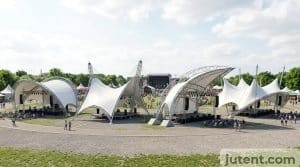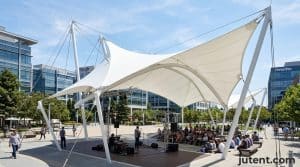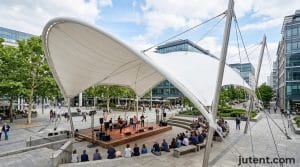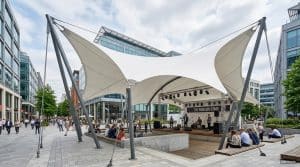

Procuring an amphitheater tensile canopy from an overseas manufacturer involves more steps than a local purchase. This checklist covers everything from RFQ to delivery. Successfully navigating the amphitheater tensile canopy procurement process requires meticulous planning, thorough due diligence, and clear communication with potential suppliers. This guide outlines the key stages to ensure a successful acquisition, focusing on the specific considerations for large-scale, international projects.
Step 1: Define the Scope — Dimensions, Wind Zone, and Requirements
The initial and most critical step in amphitheater tensile canopy sourcing is to precisely define your project’s scope. This involves more than just aesthetic preferences; it requires a detailed technical specification to ensure the structure meets local regulations and performance expectations. Begin by establishing the required dimensions, including span, height, and coverage area. These measurements will directly influence material quantities and structural design.
Next, identify the specific wind load requirements for your project’s location. This is paramount for structural integrity and safety. Consult local building codes and engineering standards to determine the appropriate wind speed and pressure ratings. A reputable manufacturer will require this data to perform accurate structural calculations. Consider other environmental factors such as snow load, seismic activity, and UV exposure, which can impact material selection and design.
Beyond structural considerations, outline the functional requirements. Will the canopy need integrated lighting? What are the drainage considerations? Are there specific acoustic properties desired for the amphitheater space? Specify the desired membrane material – PVDF or PTFE – noting their respective lifespans and warranty periods. For instance, PVDF membranes typically offer a 10-year warranty and 15+ years service life, while PTFE membranes provide a 15-year warranty and 25+ years service life. Clearly define the steel grade (e.g., Q235B, Q355B) and surface treatment (e.g., hot-dip galvanizing or epoxy zinc-rich primer + fluorocarbon topcoat) required. Based on Jutent’s experience across 400+ projects in 30+ countries, a detailed scope definition minimizes ambiguities and prevents costly revisions later in the procurement cycle.
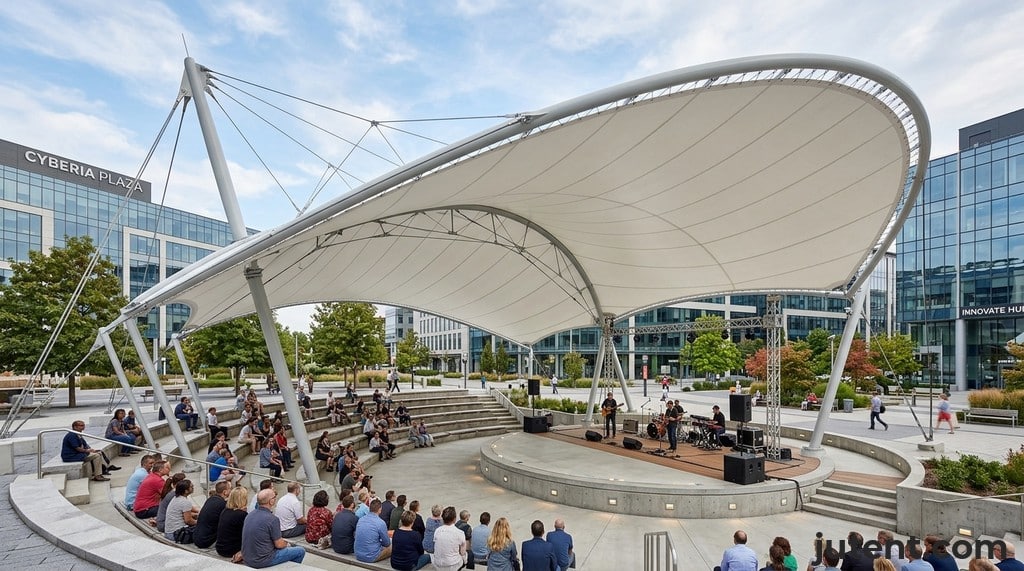
Amphitheater
Step 2: Evaluate Suppliers — What to Ask and What to Look For
Once your project scope is clearly defined, the next stage in amphitheater tensile canopy procurement is to rigorously evaluate potential suppliers. This involves more than just comparing price lists; it’s about assessing their technical capabilities, quality control, and track record.
Start by requesting company profiles, including their manufacturing facilities, certifications (e.g., ISO 9001, SGS), and project portfolios. Look for evidence of experience with similar-scale amphitheater projects. Ask for references and, if possible, visit their factory or arrange for a third-party inspection. This allows you to verify their production processes, quality control measures, and adherence to international standards.
Key questions to ask include:
* Engineering Capabilities: Do they have in-house structural engineers capable of performing wind load calculations and producing detailed shop drawings? Can they provide design drawings, calculations, and material specifications?
* Material Sourcing: What are their standard material specifications for membrane (e.g., 1050 g/m² PVDF or PTFE) and steel (e.g., Q235B, Q355B)? How do they ensure the quality and authenticity of these materials? Request material test certificates.
* Manufacturing Process: What surface treatments do they offer for steel structures (e.g., hot-dip galvanizing, epoxy zinc-rich primer + fluorocarbon topcoat)? How do they ensure welding quality and dimensional accuracy?
* Quality Control: What inspection protocols are in place at each stage of production? Can they accommodate third-party inspections?
* Logistics and Installation Support: What are their packing and shipping procedures for overseas projects? Do they offer installation guidance (remote or on-site supervision)? For export projects, Jutent can provide design drawings, calculations, material specifications, installation manuals, and free remote guidance, subject to project scope and contract terms.
A reliable supplier will be transparent and forthcoming with this information, demonstrating their expertise and commitment to quality.
About
Step 3: Review the Quotation — What Should and Shouldn’t Be Included
Carefully reviewing the quotation is a critical step in amphitheater tensile canopy sourcing. A thorough quotation should provide a clear breakdown of costs and specifications, leaving no room for ambiguity.
What should be included:
* Detailed Scope of Supply: A precise list of all components included, such as membrane, steel structure, cables, connectors (e.g., SS304 standard, SS316 optional upgrade), and tensioning hardware.
* Material Specifications: Explicit details on membrane type (PVDF/PTFE), weight, and manufacturer; steel grade, dimensions, and surface treatment (e.g., hot-dip galvanizing, epoxy zinc-rich primer + acrylic topcoat).
* Engineering and Design Fees: Clearly itemized costs for structural analysis, shop drawings, and any custom design work.
* Manufacturing Costs: Breakdown of fabrication, welding, and surface treatment expenses.
* Packing and Logistics: Costs for export-grade packing, freight (FOB, CIF, etc.), and insurance.
* Installation Support: If requested, costs for remote guidance or on-site supervision.
* Warranty Information: Explicit statements on the warranty period for the overall project (e.g., 1 year), membrane (e.g., 10 years for PVDF, 15 years for PTFE), and steel structure.
* Payment Terms: Clearly defined deposit requirements and payment schedule.
* Delivery Schedule: A realistic timeline from order confirmation to shipment.
* Pricing per Square Meter: For budget planning, expect pricing for tensile membrane structures to range from $30–$50/m² for minimal steel, $40–$70/m² for PVDF simple forms, and $60–$90/m² for PVDF complex forms. PTFE membrane typically adds ~$20/m² to the PVDF range. Always ensure pricing is per square meter and that the minimum project scope is met (e.g., 100 m²).
What shouldn’t be included (or should be clarified):
* Vague Descriptions: Avoid quotations with generic terms like “high-quality materials” without specific technical data.
* Hidden Costs: Ensure all potential charges, especially for customs, duties, and local taxes, are either included or clearly stated as excluded.
* Unrealistic Timelines: Be wary of delivery schedules that seem too aggressive for the project’s complexity.
* Lack of Detail on Exclusions: The quotation should clearly state what is not included, such as foundation work, local installation labor, or specific permits.
Thorough review ensures you understand exactly what you are paying for and minimizes surprises.
Step 4: Confirm the Order and Monitor Production
Once the quotation is accepted and the contract signed, the next phase in amphitheater tensile canopy procurement involves formalizing the order and closely monitoring the production process. This stage is crucial for maintaining quality and adhering to the project timeline.
Upon order confirmation, a deposit (typically 30–50% for overseas orders) will be required. Following this, the manufacturer will commence detailed engineering and shop drawing production. It is imperative that your technical team reviews and approves these drawings promptly. These documents are the blueprint for fabrication and any discrepancies must be resolved at this stage.
Throughout the manufacturing process, maintain regular communication with the supplier. Request progress reports, photographs, and videos of key production stages. This includes steel fabrication, surface treatment (e.g., hot-dip galvanizing or epoxy zinc-rich primer + fluorocarbon topcoat), membrane cutting, and welding. If possible, arrange for a third-party inspection at critical junctures, such as before surface treatment of steel or prior to membrane fabrication. This provides an independent verification of quality and adherence to specifications.
Ensure that all material certificates (e.g., steel mill certificates, membrane test reports) are collected and verified. These documents are essential for quality assurance and future maintenance. Confirm that the packing list is being prepared accurately, detailing every component to facilitate customs clearance and on-site inventory. Typical technical values should always be written conservatively and described as subject to project design. Proactive monitoring helps identify and address potential issues early, preventing delays and ensuring the final product meets all agreed-upon standards.
Step 5: Receive, Inspect, and Install
The final stages of amphitheater tensile canopy procurement involve receiving the shipment, conducting a thorough inspection, and overseeing the installation. This phase requires careful coordination and attention to detail to ensure a successful project handover.
Upon arrival at the port of destination, manage customs clearance and arrange for transportation to the project site. Once the shipment is received, immediately conduct a thorough inspection. Compare the received goods against the packing list and approved shop drawings. Check for any visible shipping damage to the steel components, membrane rolls, and hardware. Document any discrepancies or damage with photographs and notify the manufacturer and shipping company promptly.
Before commencing installation, organize all components according to the installation guide provided by the manufacturer. Ensure that the installation team is familiar with the specific procedures for tensile structures. While Jutent offers free remote guidance, on-site supervision is available as a paid service for more complex projects or less experienced installation teams. This can significantly mitigate risks and ensure correct assembly.
During installation, pay close attention to the tensioning of the membrane and the alignment of the steel structure. Proper tensioning is crucial for the structural integrity, aesthetic appeal, and longevity of the canopy. After installation, conduct a final inspection to confirm that all components are correctly assembled, secured, and meet the design specifications. The project is then ready for handover, complete with all necessary documentation, including the installation guide, maintenance recommendations, and warranty certificates.
FAQ
- What documents should an amphitheater tensile canopy manufacturer provide with an order?
- A reputable manufacturer should provide a thorough set of documents. These typically include detailed engineering drawings for fabrication and installation, wind load calculations specific to your project’s location, membrane test certificates verifying material properties, steel material certificates (mill certificates) for structural components, a complete packing list detailing all shipped items, and a clear, step-by-step installation guide. These documents are crucial for quality assurance, customs clearance, and successful on-site assembly.
- What payment terms are typical for an amphitheater tensile canopy order from China?
- Standard payment terms for an overseas amphitheater tensile canopy order, particularly from China, typically involve a two-stage payment structure. An initial deposit, usually ranging from 30% to 50% of the total project cost, is required upon order confirmation and contract signing. The remaining balance is then paid before the shipment departs from the manufacturer’s facility. This structure provides security for both the buyer and the manufacturer, ensuring production commences and goods are released upon full payment.
Contact Jutent with your project details and we’ll guide you through every step of the procurement process.