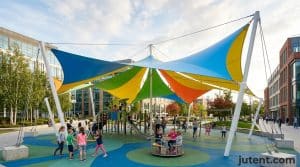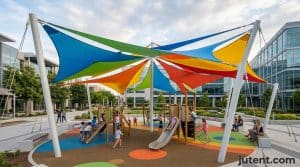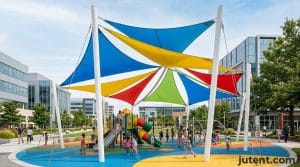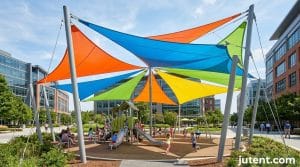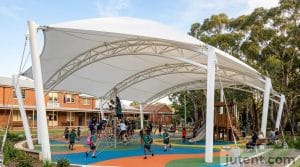

Playground shade structure design affects UV coverage, drainage, post placement, and child safety — not just how it looks. These five decisions have the biggest impact on whether the structure actually works. For architects and contractors, understanding these critical design considerations from the outset ensures a functional, safe, and durable installation that meets both aesthetic goals and practical requirements. This decision framework guides you through the essential choices for effective playground shade structure design.
Decision 1: Coverage Area — How Much of the Playground Needs Shade?
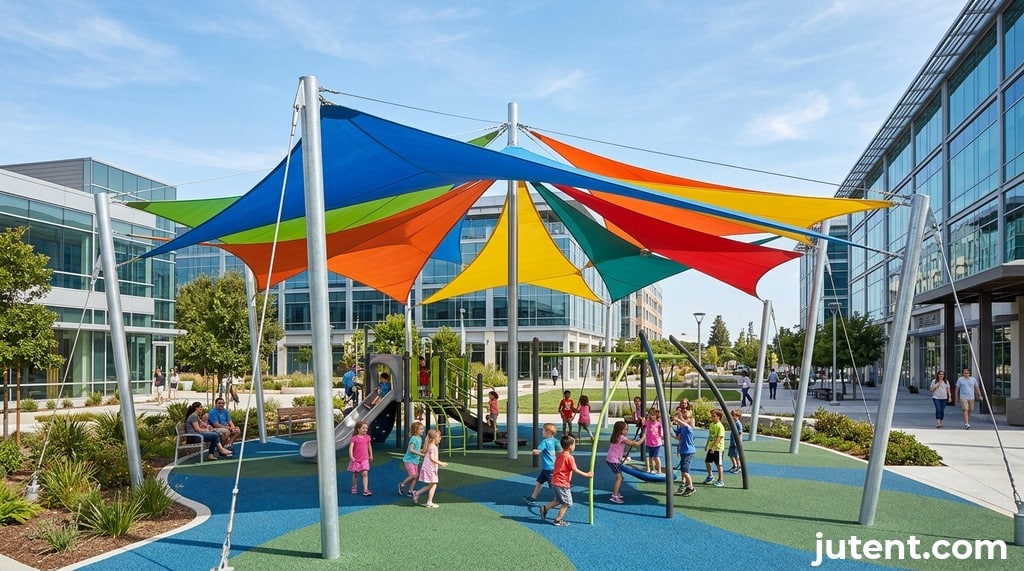
Determining the optimal coverage area is the foundational step in playground shade structure design. It's not simply about covering the entire playground, but strategically shading the most critical play zones during peak sun hours. Consider the sun's path throughout the day and year relative to the playground's orientation. High-use equipment like slides, swings, and climbing structures, where children spend extended periods, are prime candidates for direct shade. Areas where children queue or gather also benefit significantly.
An effective design often involves multiple, smaller shade structures or a single, larger canopy strategically positioned to maximize shade during the hottest parts of the day. This approach allows for flexibility in design while ensuring critical areas are protected. Over-shading can sometimes create dark, less inviting spaces, so balance is key. Based on Jutent's experience across 400+ projects in 30+ countries, a common strategy is to target 70-80% shade coverage for active play zones, allowing some open areas for natural light and varied play experiences. This decision directly influences the overall size and number of membrane panels required, which in turn impacts material costs, typically ranging from $30–$90/m² depending on membrane type and structural complexity.
Playground Shade
Decision 2: Post Placement — Keeping Posts Away from Play Areas
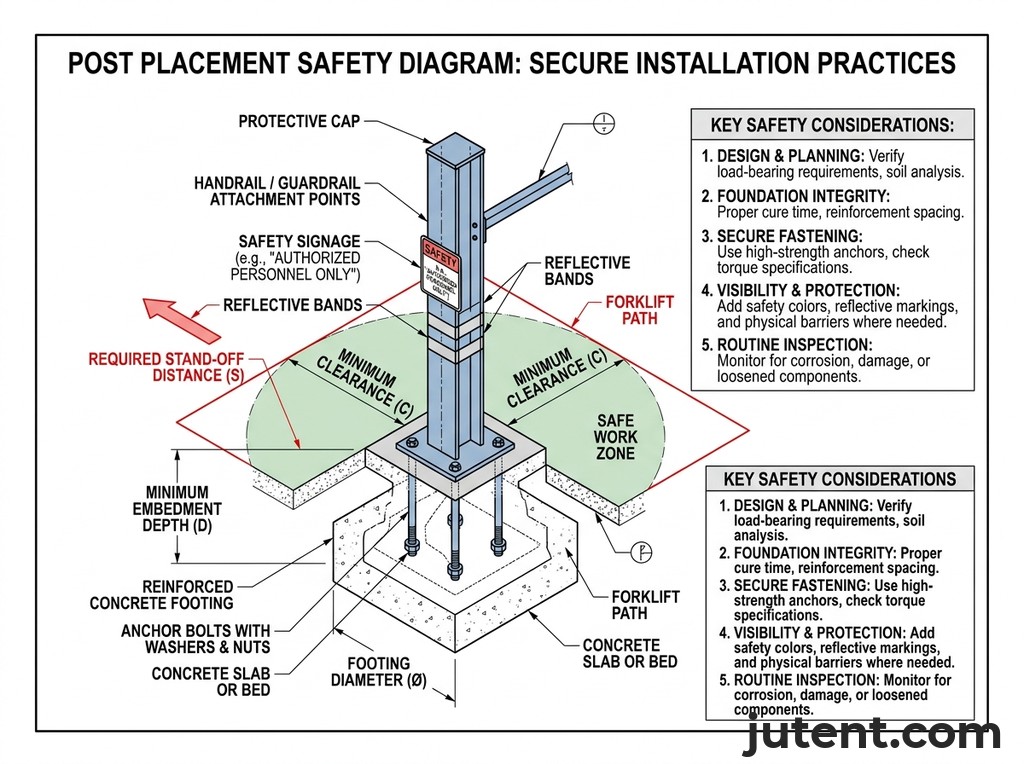
Safety is paramount in playground shade structure design, and post placement is a critical element. Posts must be positioned well outside the fall zones of all playground equipment to prevent collisions and injuries. The general rule of thumb is to maintain a minimum distance of 1.8 meters (approximately 6 feet) from the edge of any play equipment. This distance should be measured from the furthest point a child could fall or jump from the equipment.
Beyond immediate fall zones, consider pathways, circulation areas, and potential future expansion of the playground. Posts should not obstruct access for children, parents, or emergency personnel. Thoughtful placement can also integrate posts into the overall landscape design, perhaps along the perimeter of the playground or within designated non-play zones. For export projects, Jutent can provide design drawings, calculations, material specifications, installation manuals, and free remote guidance, subject to project scope and contract terms, ensuring that post placement adheres to international safety standards and local regulations. The structural integrity of the posts themselves is also vital, typically utilizing Q235B or Q355B steel grades with an epoxy zinc-rich primer and acrylic or fluorocarbon topcoat for durability.
Playground Shade Structures Guide
Decision 3: Membrane Pitch — Drainage and Ponding Prevention
The pitch, or slope, of the tensile membrane is crucial for effective drainage and preventing water ponding. Ponding water not only adds significant weight to the structure, potentially compromising its integrity, but also creates breeding grounds for mosquitoes and can lead to premature degradation of the membrane. A minimum pitch of 15-20 degrees is generally recommended for most tensile membrane structures to ensure water runs off efficiently. For larger structures or those in areas with heavy rainfall, a steeper pitch might be necessary.
The design must account for the natural sag and tension of the membrane. While tensile structures are inherently flexible, proper engineering ensures that even under load, the membrane maintains sufficient slope. This involves careful consideration of the mast heights, cable tensions, and the overall geometry of the structure. Engineers use advanced software to model water flow and predict potential ponding areas, allowing for adjustments in the design phase. The goal is to guide water to designated collection points or away from the playground area, preventing runoff onto play surfaces. This attention to detail in membrane pitch contributes significantly to the longevity of the structure and the safety of the playground environment.
Decision 4: Edge Height — Balancing UV Coverage and Wind Exposure
The edge height of a playground shade structure plays a dual role: maximizing UV coverage for children while minimizing exposure to strong winds. A lower edge height generally provides more effective shade coverage by blocking more direct and angled sunlight, especially during morning and late afternoon hours. However, excessively low edges can create a confined feeling, impede visibility, and increase the structure's susceptibility to wind uplift and damage.
Conversely, higher edges allow for greater airflow and reduce wind loads on the structure, but may compromise UV protection, particularly for children playing directly beneath. The optimal edge height is a careful balance, often determined by local climate conditions, prevailing wind patterns, and the specific activities planned for the shaded area. Typical technical values should always be written conservatively and described as subject to project design, but a common approach is to maintain a minimum clear height of 2.5 to 3 meters (8 to 10 feet) above the highest play surface, with higher points in the membrane geometry to facilitate drainage and visual appeal. This ensures adequate head clearance and an open feel while still delivering substantial UV protection.
Decision 5: Colour and UPF — What Actually Affects UV Protection
When selecting a membrane for playground shade structure design, it's a common misconception that darker colours inherently offer superior UV protection. In reality, the Ultraviolet Protection Factor (UPF) rating of a membrane is primarily determined by its density, weave, and the presence of UV-stabilizing additives, not its colour. A high-quality, light-coloured membrane with a tight weave and UV inhibitors can offer excellent UPF protection, often exceeding UPF 50+, which blocks over 98% of harmful UV rays.
Jutent's standard membranes, 1050 g/m² PVDF or PTFE, are engineered for high UPF ratings regardless of colour. PVDF membranes typically come with a 10-year warranty and a 15+ year service life, while PTFE membranes offer a 15-year warranty and a 25+ year service life. While colour does not directly impact UPF, it does affect light transmission and heat absorption. Lighter colours reflect more sunlight, resulting in a cooler ambient temperature beneath the shade, which is a significant comfort factor for children. Darker colours absorb more solar radiation, potentially making the shaded area feel warmer. Therefore, while prioritizing UPF, consider lighter colours for optimal comfort and a brighter aesthetic in playground environments.
FAQ
- What membrane colour provides the best UV protection for a playground shade structure?
- UV protection (UPF rating) is determined by membrane density and weave, not colour. High-quality membranes, regardless of their hue, are engineered with tight weaves and UV-stabilizing additives to achieve high UPF ratings, often exceeding UPF 50+. While colour doesn't impact UV protection, lighter colours reflect more sunlight, contributing to a cooler environment beneath the shade, which is beneficial for children's comfort.
- How far should playground shade structure posts be from play equipment?
- Posts should be placed outside the fall zone of all playground equipment. Minimum 1.8m from the edge of any equipment is typically required. This distance ensures that children are protected from collisions with structural elements during play or in the event of a fall. It's crucial to consider the furthest possible point a child could fall or jump from, and position posts well beyond that perimeter for maximum safety.
Share your playground layout and we'll provide a design recommendation with UV coverage and drainage considerations.