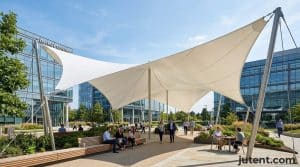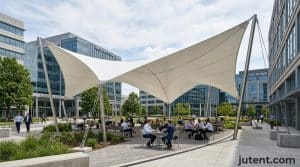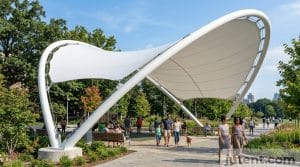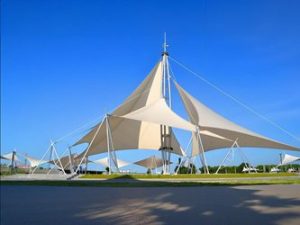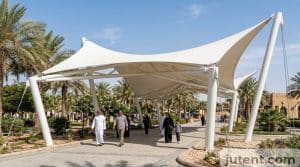

Not every tensile structure manufacturer can deliver a park tensile shade structure with the wind rating and documentation your project requires. Here's what to verify before signing.
Why Park Tensile Shade Structure Manufacturer Selection Matters
Selecting the right park tensile shade structure manufacturer is a critical decision that directly impacts project safety, longevity, and budget. A poorly chosen supplier can lead to significant delays, cost overruns, and, most importantly, structural failures that pose serious risks to public safety. For contractors and procurement managers, due diligence is not just good practice; it's a professional imperative. The unique demands of public park installations, including stringent wind load requirements, material durability, and aesthetic integration, necessitate a manufacturer with proven expertise.
Verifying a manufacturer's capabilities goes beyond a simple price comparison. It involves a deep dive into their engineering prowess, material sourcing, production quality, and logistical efficiency. A manufacturer that cuts corners on structural calculations or uses substandard materials might offer a lower initial bid, but the long-term costs associated with maintenance, repairs, or even replacement will far outweigh any perceived savings. Based on Jutent's experience across 400+ projects in 30+ countries, we've seen firsthand the consequences of inadequate supplier vetting. Prioritizing a park tensile shade structure manufacturer with a track record of delivering compliant, high-quality structures ensures your project meets all regulatory standards and client expectations. For more on our park solutions, visit Park Landscapes.
Engineering Capability: Wind Load and Structural Calculations
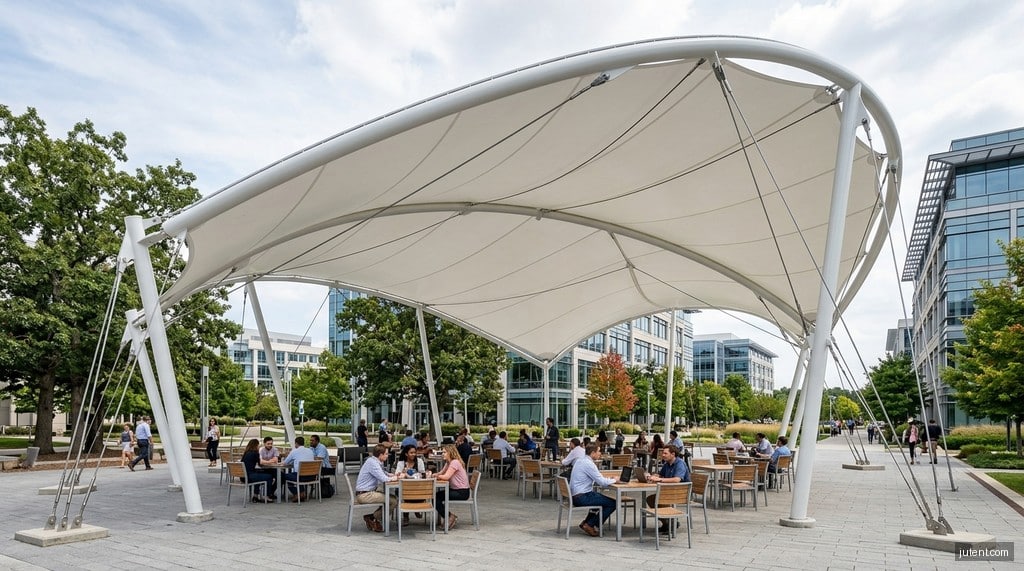
The structural integrity of a park tensile shade structure hinges entirely on reliable engineering. Wind load is arguably the most critical factor, particularly for outdoor installations in varying climates. A reputable park tensile shade structure manufacturer must demonstrate advanced engineering capabilities, including the ability to perform detailed wind load analysis specific to your project's location and local building codes. This isn't a one-size-fits-all calculation; it requires specialized software and experienced structural engineers.
When evaluating a park tensile shade structure supplier, request to see examples of their engineering calculations and design methodologies. Verify that they utilize industry-standard software and that their engineers are qualified and experienced in tensile structure design. Ask how they account for uplift forces, dynamic wind effects, and snow loads if applicable to your region. A reliable manufacturer will provide thorough documentation, including detailed structural drawings, material specifications (e.g., Q235B, Q355B steel grades), and calculation reports signed by a professional engineer. For export projects, Jutent can provide design drawings, calculations, material specifications, installation manuals, and free remote guidance, subject to project scope and contract terms. This documentation is essential for local permitting and ensuring the structure can withstand environmental stresses throughout its service life. Without verifiable engineering, any park tensile shade structure is a liability. Learn more about our capabilities at About.
Membrane Brand and Test Certificates: What to Ask For
The tensile membrane is the defining feature of a park tensile shade structure, and its quality directly impacts the structure's performance, appearance, and longevity. Not all membranes are created equal, and discerning contractors must scrutinize the membrane brand and request verifiable test certificates. A reliable park tensile shade structure manufacturer will work with established, reputable membrane suppliers and be transparent about their material specifications.
When engaging with a park tensile shade structure factory or OEM, always inquire about the specific membrane brand they propose. Request original manufacturer test certificates for the membrane, not just a generic data sheet. These certificates should detail critical properties such as tensile strength, tear resistance, fire rating, UV resistance, and coating type (e.g., PVDF, PTFE). For example, a standard 1050 g/m² PVDF membrane should come with a 10-year warranty and a 15+ year service life, while PTFE membranes typically offer a 15-year warranty and 25+ years service life. Also, ask about the membrane's surface treatment and self-cleaning properties, which are crucial for maintaining aesthetics in a park environment. Be wary of a park tensile shade structure supplier that cannot readily provide these documents or offers membranes from unknown sources. The membrane is a long-term investment; its quality directly correlates with the structure's durability and your client's satisfaction.
Production Lead Time and Logistics
Efficient production lead time and reliable logistics are paramount for any construction project, especially when sourcing a park tensile shade structure from a global park tensile shade structure manufacturer China. Delays in fabrication or shipping can ripple through your entire project schedule, leading to increased labor costs, penalties, and client dissatisfaction. It's crucial to establish clear expectations and verify the manufacturer's capabilities in these areas.
When discussing your project with a park tensile shade structure OEM, request a detailed production schedule that outlines each stage from design approval to fabrication and pre-shipment inspection. Inquire about their typical lead times for projects of similar scope and size. For example, a project of 100 m² or more, with a simple PVDF membrane form, might have a different lead time than a complex PTFE structure. Ask about their capacity to handle multiple projects simultaneously and any potential bottlenecks. On the logistics front, clarify their experience with international shipping, customs procedures, and packaging standards to prevent damage during transit. A reputable park tensile shade structure manufacturer will provide clear communication regarding shipping methods (e.g., sea freight, air freight), estimated transit times, and any associated costs. They should also offer options for remote guidance or paid on-site supervision for installation, ensuring a smooth process from factory floor to final erection.
References from Similar Projects
One of the most effective ways to verify the capabilities of a park tensile shade structure manufacturer is to examine their portfolio of past projects, particularly those similar in scope and complexity to your own. A manufacturer's claims are only as strong as their verifiable track record. This is where a park tensile shade structure supplier truly distinguishes itself.
When evaluating a potential park tensile shade structure factory, request references from previous clients or, even better, case studies of completed park projects. Look for evidence of successful installations in diverse geographical locations, especially those with similar climate conditions to your project site. Inquire about the scale of these projects, the types of membranes used, and the engineering challenges overcome. A manufacturer with a strong portfolio, like Jutent's 400+ projects in 30+ countries, demonstrates a breadth of experience and problem-solving capabilities. Ask to see photos or videos of completed structures and, if possible, speak directly with previous clients to gauge their satisfaction with the manufacturer's product quality, communication, and adherence to timelines. This due diligence provides invaluable insight into the manufacturer's reliability and ability to deliver on their promises, giving you confidence in their capacity to handle your park tensile shade structure project effectively.
FAQ
- Q: What is the advantage of sourcing a park tensile shade structure from a Chinese manufacturer?
- A: Chinese manufacturers typically offer 30–50% lower supply cost than local fabricators due to economies of scale, efficient production processes, and competitive labor costs. This cost advantage allows contractors to optimize project budgets without compromising on quality, especially when working with ISO 9001 and SGS certified manufacturers like Jutent, who adhere to international standards.
- Q: How do I verify wind load compliance for a park tensile shade structure from China?
- A: To verify wind load compliance, request full engineering calculations and design drawings from the manufacturer, specifically detailing the wind load analysis for your project's location. These documents should be stamped by a qualified engineer. It is also advisable to work with a local registered engineer to review these calculations and ensure they meet local building codes and obtain necessary approvals for your project.
Contact Jutent with your project details and we'll provide full verification documentation within 48 hours.