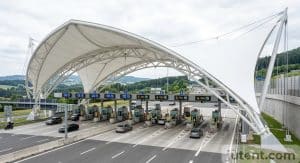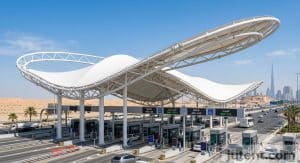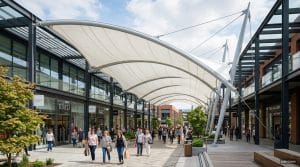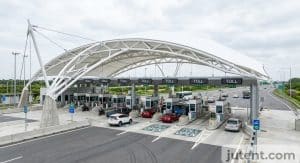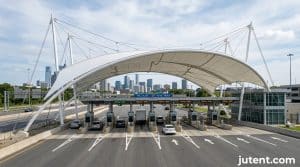

Not every tensile structure manufacturer can deliver a toll station canopy with the wind rating and documentation your project requires. Here's what to verify before signing.
Why Toll Station Canopy Manufacturer Selection Matters
Selecting the right toll station canopy manufacturer is a critical decision that directly impacts project safety, longevity, and regulatory compliance. A toll station canopy is more than just a shelter; it's a structural element exposed to significant environmental stresses, particularly wind loads. Failure to specify and procure a canopy engineered to local conditions can lead to structural instability, costly repairs, and potential safety hazards. For contractors and procurement managers, this means a thorough due diligence process is non-negotiable. You need a supplier who can demonstrate proven engineering capabilities, verifiable material quality, and a reliable production and logistics chain. This is especially true for large-scale infrastructure projects where the consequences of structural failure are severe. Verifying a manufacturer's technical documentation, quality certifications, and project experience ensures that the final structure meets all required standards and performs reliably over its intended service life. Based on Jutent's experience across 400+ projects in 30+ countries, overlooking these details can result in significant project delays and budget overruns. Toll Gas Stations
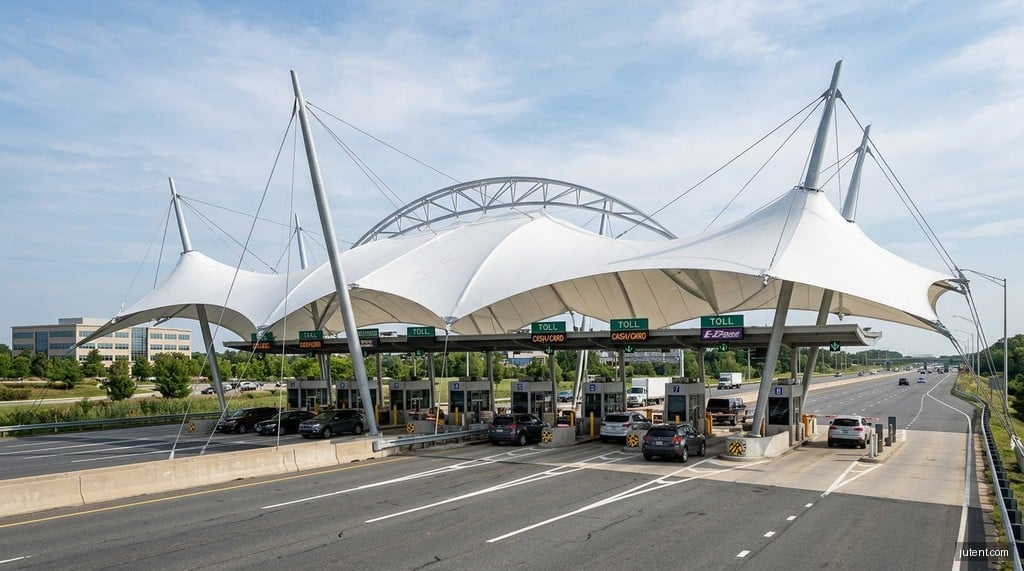
Engineering Capability: Wind Load and Structural Calculations
The structural integrity of a toll station canopy hinges on precise engineering calculations, particularly concerning wind load. Different geographic regions have varying wind speed requirements, and a reputable toll station canopy manufacturer must be able to design structures that withstand these specific forces. This involves detailed finite element analysis (FEA) and structural modeling. When evaluating a potential toll station canopy supplier, request complete engineering drawings and structural calculation reports. These documents should clearly outline the design parameters, material specifications (e.g., Q235B or Q355B steel grades), connection details, and the methodology used to determine wind resistance. For export projects, Jutent can provide design drawings, calculations, material specifications, installation manuals, and free remote guidance, subject to project scope and contract terms. Verify that the calculations are performed by qualified structural engineers and, if necessary, can be reviewed and stamped by a local registered engineer in your project's jurisdiction. A manufacturer's ability to provide transparent, verifiable engineering data is a primary indicator of their technical competence and commitment to safety. About
Membrane Brand and Test Certificates: What to Ask For
The tensile membrane is a key component of any toll station canopy, and its quality directly affects the structure's durability and performance. When engaging with a toll station canopy manufacturer, inquire about the specific membrane brands they use and demand corresponding test certificates. Reputable manufacturers will typically use high-quality PVDF or PTFE membranes, often with a standard weight of 1050 g/m². For PVDF membranes, expect a 10-year warranty and a service life of 15+ years. For PTFE membranes, a 15-year warranty and 25+ years service life are standard.
Key certificates to request include:
* Tensile Strength Test Reports: Verifying the membrane's ability to withstand tension without tearing.
* Tear Strength Test Reports: Confirming resistance to propagation of tears.
* Fire Retardancy Certificates: Essential for safety and compliance with building codes.
* UV Resistance Test Reports: Demonstrating the membrane's ability to resist degradation from sunlight.
* Self-Cleaning Property Certificates: For PVDF and PTFE, this indicates the membrane's ability to shed dirt and maintain appearance.
Always confirm that the certificates are current and directly correspond to the membrane material proposed for your project. A reliable toll station canopy factory will readily provide this documentation, ensuring transparency and material quality.
Production Lead Time and Logistics
Understanding a toll station canopy manufacturer's production lead time and logistics capabilities is crucial for project scheduling and budget management. Production timelines can vary significantly based on project complexity, material availability, and the manufacturer's current workload. When discussing lead times, differentiate between fabrication time (the period required to manufacture the steel structure and membrane panels) and total delivery time (which includes shipping).
A typical production schedule might look like this:
* Design & Engineering: 2-4 weeks (after contract signing)
* Material Procurement: 2-3 weeks
* Fabrication: 4-8 weeks (depending on size and complexity)
* Surface Treatment: 1-2 weeks (Epoxy zinc-rich primer + acrylic topcoat, or hot-dip galvanizing)
* Packing & Loading: 1 week
For international projects, consider transit times, customs clearance, and local transportation. A reliable toll station canopy supplier will provide a detailed production schedule and assist with logistics planning, including containerization and shipping documentation. They should also be able to advise on optimal shipping methods (e.g., sea freight for cost-effectiveness, air freight for urgency). Clear communication regarding these timelines and logistics support minimizes delays and ensures the timely arrival of your canopy components on site.
References from Similar Projects
One of the most effective ways to verify a toll station canopy manufacturer's reliability and capability is by reviewing their portfolio of similar projects. Requesting references from past clients, particularly those who have commissioned toll station canopies or other large-scale tensile structures, provides invaluable insight into their performance. A reputable toll station canopy OEM will be proud to share their project history.
When evaluating references, focus on:
* Project Scale and Complexity: Have they delivered structures comparable in size and design complexity to your project?
* Geographic Reach: Do they have experience with projects in diverse climates and regulatory environments?
* Client Satisfaction: Inquire about the manufacturer's communication, adherence to timelines, quality of materials, and post-delivery support.
* Longevity of Structures: If possible, ask about the performance of their older installations.
A manufacturer with a proven track record demonstrates not only their ability to deliver but also their experience in navigating the challenges inherent in large-scale construction. Jutent, for example, has completed 400+ projects across 30+ countries, providing a strong basis for evaluating our capabilities. This experience translates into a deeper understanding of technical requirements and logistical nuances, giving you confidence in their ability to execute your project successfully.
FAQ
- Q: What is the advantage of sourcing a toll station canopy from a Chinese manufacturer?
- A: Sourcing a toll station canopy from a Chinese manufacturer, such as a toll station canopy factory like Jutent, typically offers a significant cost advantage. Chinese manufacturers often provide supply costs that are 30–50% lower than those from local fabricators in many Western markets. This cost efficiency stems from economies of scale, optimized production processes, and competitive labor costs, without compromising on material quality or engineering standards. This allows contractors and procurement managers to achieve substantial budget savings while still acquiring high-quality, technically compliant tensile structures.
- Q: How do I verify wind load compliance for a toll station canopy from China?
- A: To verify wind load compliance for a toll station canopy from a Chinese manufacturer, you should first request thorough engineering calculations and design drawings. These documents should detail the structural analysis, material specifications (e.g., Q235B, Q355B steel, SS304 standard fittings), and the specific wind load parameters used in the design. It is highly recommended to then work with a local registered structural engineer in your project's jurisdiction. This local engineer can review the provided calculations against local building codes and wind speed requirements, ensuring the design meets all necessary regulatory approvals for your specific site.
Contact Jutent with your project details and we'll provide full verification documentation within 48 hours.