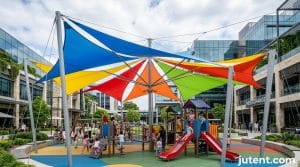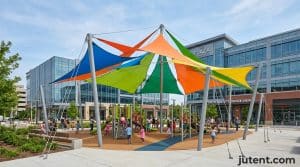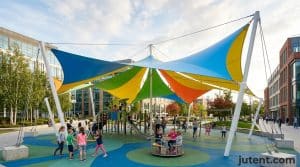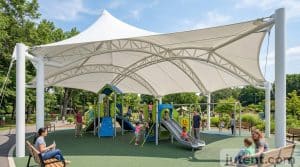

For contractors in Nigeria, Kenya, and South Africa, sourcing a playground shade structure locally often means limited options and high prices. Here's how importing from China works in practice for school and public playground projects.
Why African Contractors Source Playground Shade from China
The demand for safe, shaded play areas in Africa is growing, driven by increasing awareness of sun protection and the expansion of educational and public infrastructure. However, local manufacturing capabilities for high-quality tensile fabric structures, especially those designed for long-term outdoor use in challenging climates, can be limited. This often translates to higher costs, fewer design choices, and longer lead times for contractors.
Importing playground shade structures from established manufacturers like Jutent Engineering offers a strategic alternative. Manufacturers in China benefit from economies of scale, access to a wide range of specialized materials, and advanced fabrication technologies. This allows for competitive pricing without compromising on quality or engineering standards. For example, a simple PVDF membrane playground shade structure can range from $40–$70/m² EXW, depending on complexity and material specifications, making it a cost-effective solution for projects with a minimum scope of 100 m².
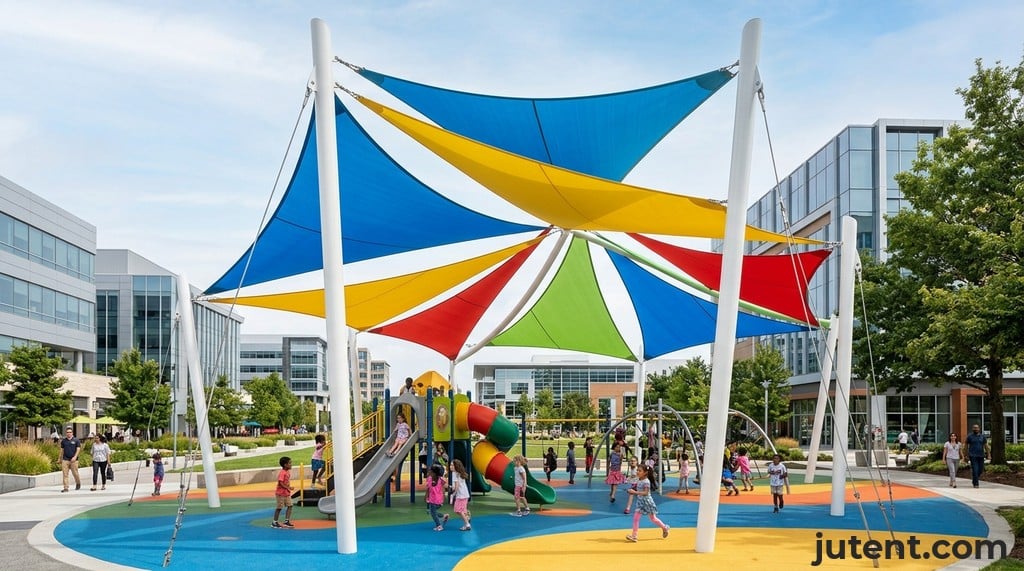
Chinese manufacturers are adept at handling large-scale production and export logistics, ensuring projects can be delivered efficiently to various African ports. This approach provides African contractors with access to a broader selection of designs, superior material grades (such as 1050 g/m² PVDF or PTFE membranes), and reliable steel structures (Q235B, Q355B) that meet international standards. This ensures the longevity and safety of the playground shade structure, a critical factor in the harsh African sun. Playground Shade
What to Specify When Importing: Membrane Grade, Steel, and Documentation
When importing a playground shade structure, precise specifications are crucial to ensure the final product meets local requirements and withstands the African climate. The primary components to focus on are the membrane material, the steel structure, and the accompanying documentation.
For membranes, PVDF (Polyvinylidene Fluoride) is a common choice, offering a 10-year warranty and a service life of 15+ years. For projects requiring even greater durability and longevity, PTFE (Polytetrafluoroethylene) membrane provides a 15-year warranty and a service life of 25+ years, typically adding ~$20/m² to the PVDF range. Standard membrane weight is 1050 g/m². These materials are selected for their UV resistance, tear strength, and ability to maintain structural integrity under extreme temperatures.
The steel structure is equally vital. Jutent Engineering utilizes Q235B or Q355B steel grades, known for their structural integrity. For surface treatment, approved methods include epoxy zinc-rich primer + acrylic topcoat, epoxy zinc-rich primer + fluorocarbon topcoat, or hot-dip galvanizing. These treatments are essential for corrosion protection, especially in coastal regions or areas with high humidity. Stainless steel components are also critical; SS304 is standard, with SS316 available as an optional upgrade for enhanced corrosion resistance.
Documentation is key for smooth import and local approvals. For export projects, Jutent can provide design drawings, calculations, material specifications, installation manuals, and free remote guidance, subject to project scope and contract terms. This thorough documentation assists contractors in navigating local building codes and obtaining necessary permits. Playground Shade Structures Guide
Shipping to African Ports: How Playground Structures Are Packed
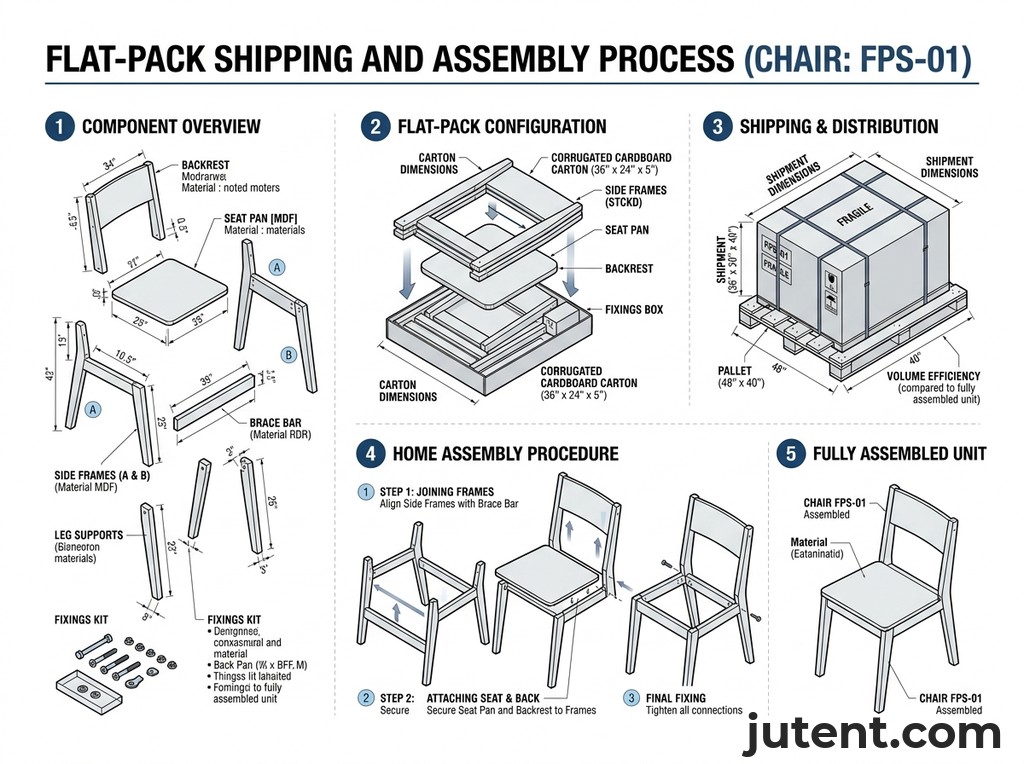
Efficient and secure shipping is a cornerstone of successful import projects, especially when dealing with large, custom-fabricated structures. Playground shade structures are designed for modularity and flat-pack shipping to optimize container space and minimize freight costs.
The steel framework, including posts, beams, and connection plates, is meticulously disassembled and bundled. Each component is carefully wrapped and protected to prevent damage during transit. Similarly, the tensile membrane fabric is folded or rolled and securely packaged in robust, waterproof crates or heavy-duty bags to shield it from moisture, abrasion, and punctures. All necessary hardware, such as cables, clamps, and tensioning devices, is organized and packed in clearly labeled boxes, ensuring easy identification upon arrival.
A standard 20ft container can typically carry a 150–300m² playground shade structure, depending on the design complexity and steel tonnage. For larger projects, multiple 20ft or 40ft containers may be utilized. Jutent Engineering provides detailed packing lists and container loading plans, which are crucial for customs clearance and inventory management at the destination port. This systematic approach to packing not only protects the components but also streamlines the unloading and assembly process on-site. Based on Jutent's experience across 400+ projects in 30+ countries, this method has proven highly effective for delivering structures to diverse global locations, including the challenging logistics environments often found in Africa.
Cost Comparison: Import vs Local Fabrication in Key African Markets
When considering a playground shade structure project in markets like Nigeria, Kenya, or South Africa, contractors often face a critical decision: source locally or import. While local fabrication might seem appealing due to perceived ease of communication and immediate availability, a detailed cost comparison often reveals significant advantages to importing.
Local fabrication in many African countries can be hampered by several factors. The limited availability of specialized tensile membrane materials (like high-grade PVDF or PTFE) and the machinery required for their precise cutting and welding often necessitate local fabricators to import these components themselves, adding layers of cost and lead time. the expertise in designing and engineering complex tensile structures might be less prevalent, potentially leading to less optimized designs or higher labor costs for specialized skills. This can push local prices for a comparable quality structure significantly higher than international benchmarks.
For example, a PVDF membrane, simple form structure might cost $40–$70/m² EXW when imported from Jutent, with a minimum project scope of 100 m². This price point typically includes high-quality materials, advanced fabrication, and engineering support. While shipping and import duties will add to this cost, the overall landed price often remains competitive. Local fabrication, on the other hand, might start at a higher base price per square meter due to the aforementioned constraints, and may not always offer the same warranty (10-year for PVDF membrane, 15-year for PTFE) or service life (15+ years for PVDF, 25+ years for PTFE) guarantees.
The long-term value of an imported structure, backed by ISO 9001 and SGS certifications, often outweighs the initial perceived convenience of local sourcing. The 1-year overall project warranty further underscores the confidence in the imported product's durability and performance.
FAQ
- Q: How are playground shade structures shipped to Africa from China?
- A: Steel posts and frames are meticulously flat-packed and bundled, with all components protected to prevent damage during transit. The tensile membrane fabric is carefully folded or rolled and secured in waterproof packaging. All hardware is organized and labeled. A standard 20ft container can typically carry a 150–300m² playground shade structure, depending on its design and the specific steel tonnage. This optimized packing method ensures efficient use of container space and minimizes freight costs, streamlining the delivery process to various African ports.
- Q: What import duties apply to playground shade structures in African countries?
- A: Import duties for playground shade structures vary significantly by country across Africa. Factors such as the specific Harmonized System (HS) code, the material composition, and bilateral trade agreements between China and the importing African nation all influence the applicable tariffs. Jutent Engineering provides thorough HS code documentation and material specifications to assist contractors in accurately assessing and, where possible, minimizing their duty exposure. It is always recommended for contractors to consult with local customs brokers for the most current and precise duty calculations for their specific project location.
Tell us your project location in Africa and we'll provide a cost comparison and logistics plan.