

Professional Sports Facility Tensile Membrane Canopy Engineering
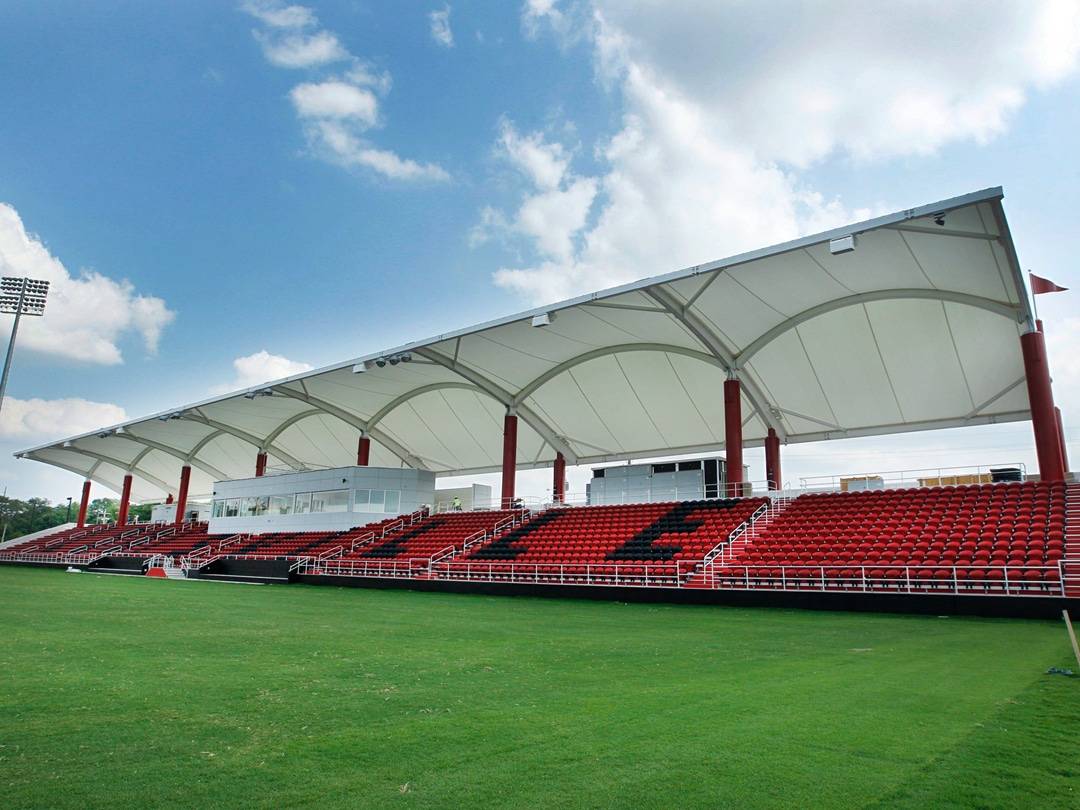
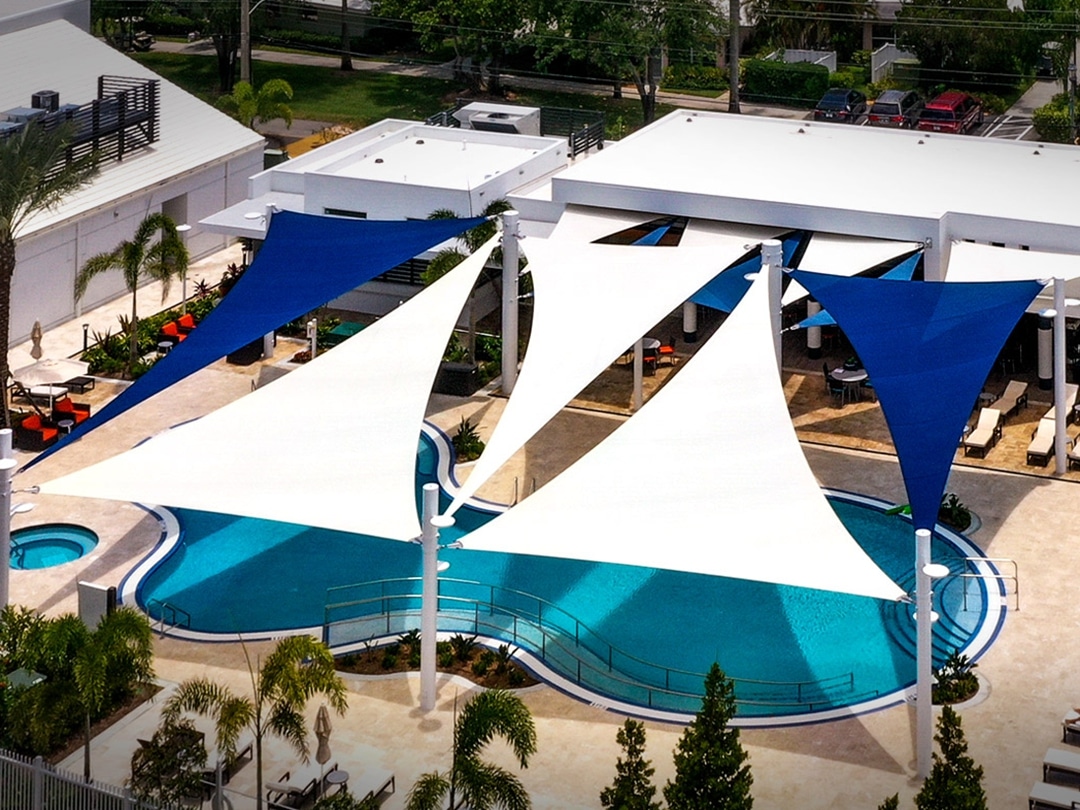
Jutent delivers durable grandstand shade structures and swimming pool tensile covers to 30+ countries. Our PVDF membrane roofing and PTFE fabric structures provide climate-controlled environments for professional athletic venues across the globe.
Choose Your Application Type
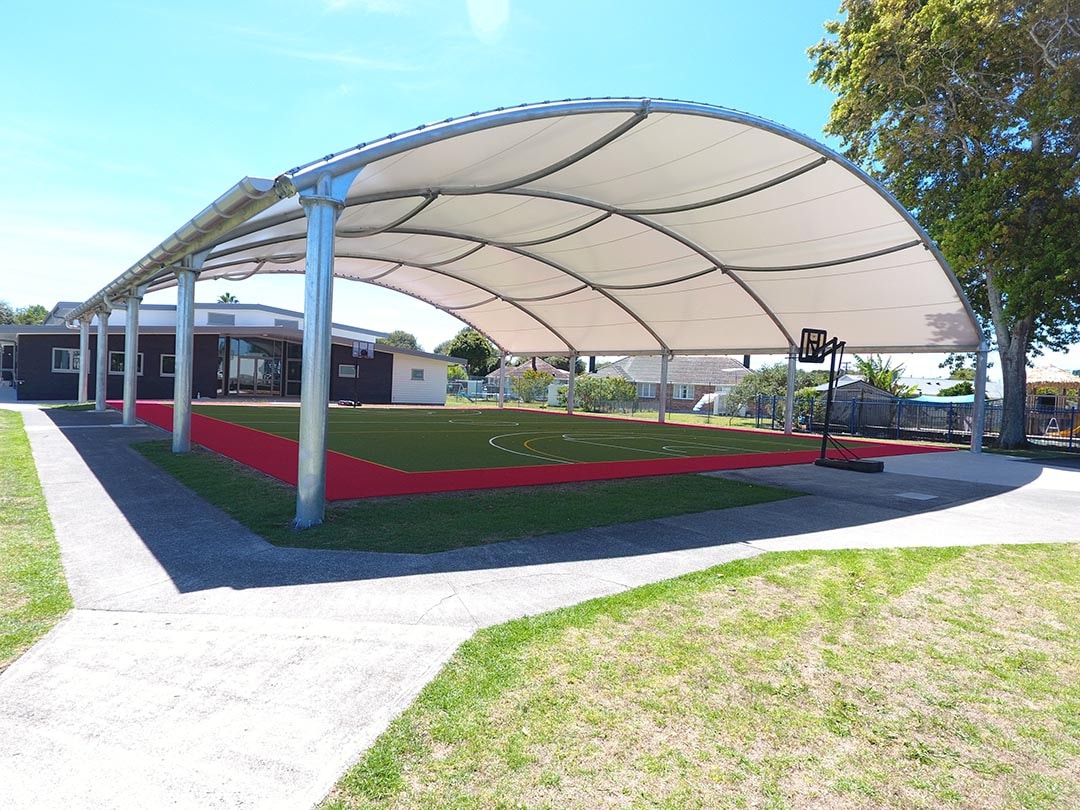
Jutent engineers tensile membrane canopy structures for grandstands, sports courts, and swimming pools across 18+ countries. Our PVDF and PTFE fabric systems span up to 80 meters without internal columns, providing UV protection and year-round weather resistance for professional athletic venues.
Real Projects, Real Results
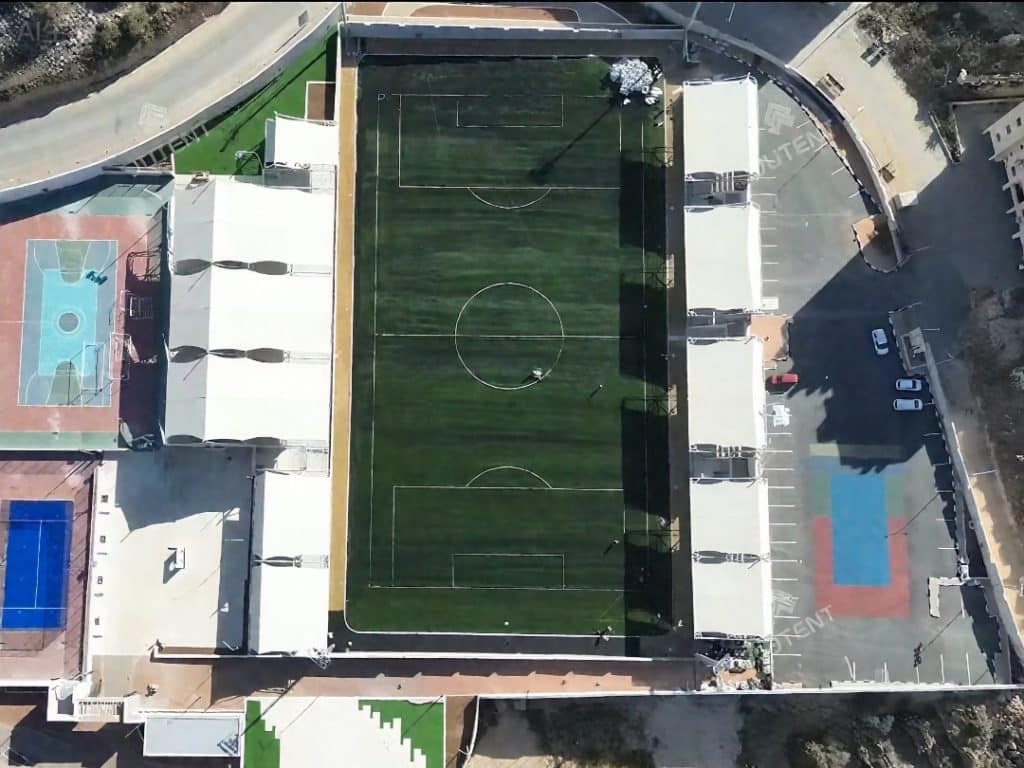
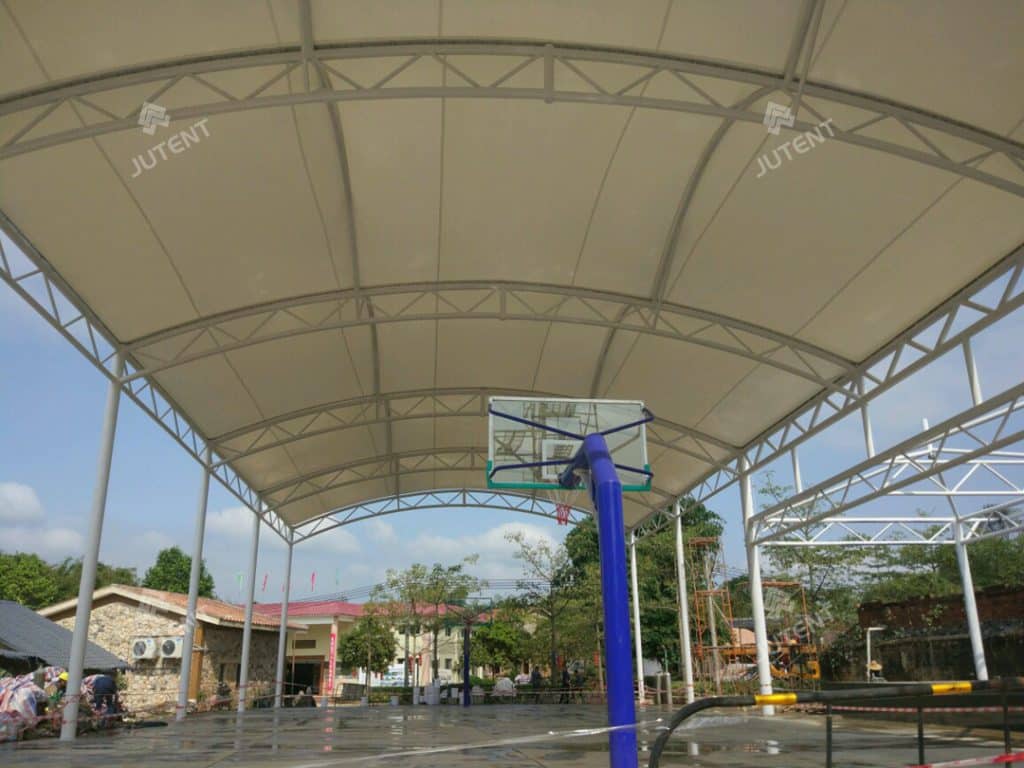
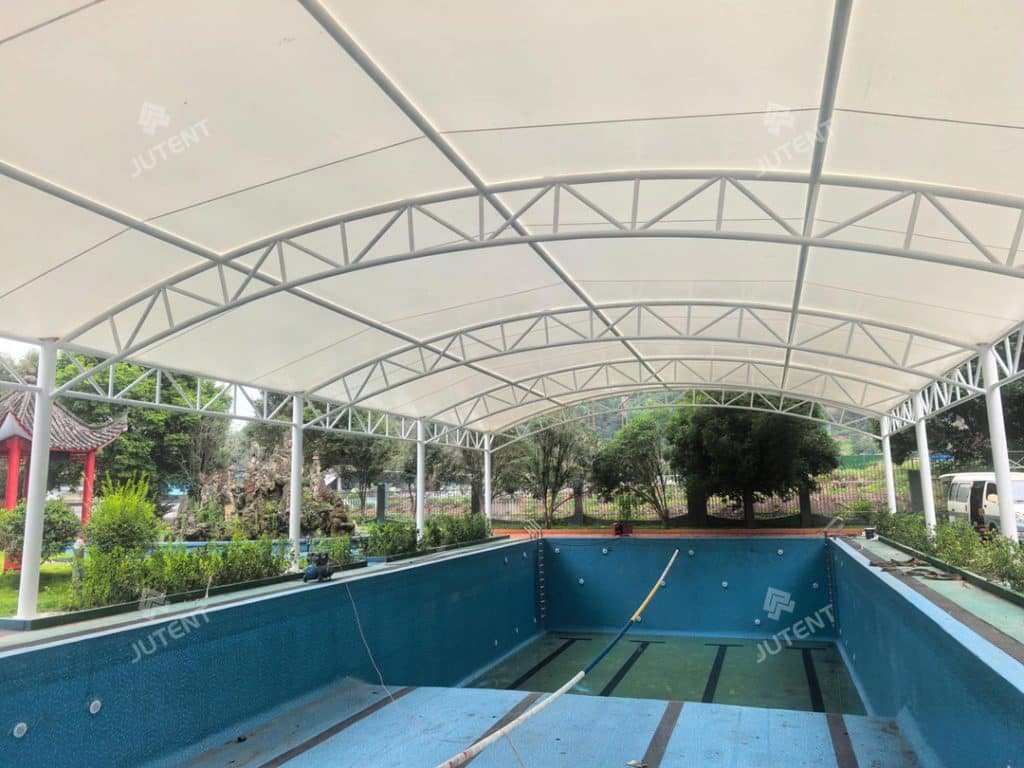
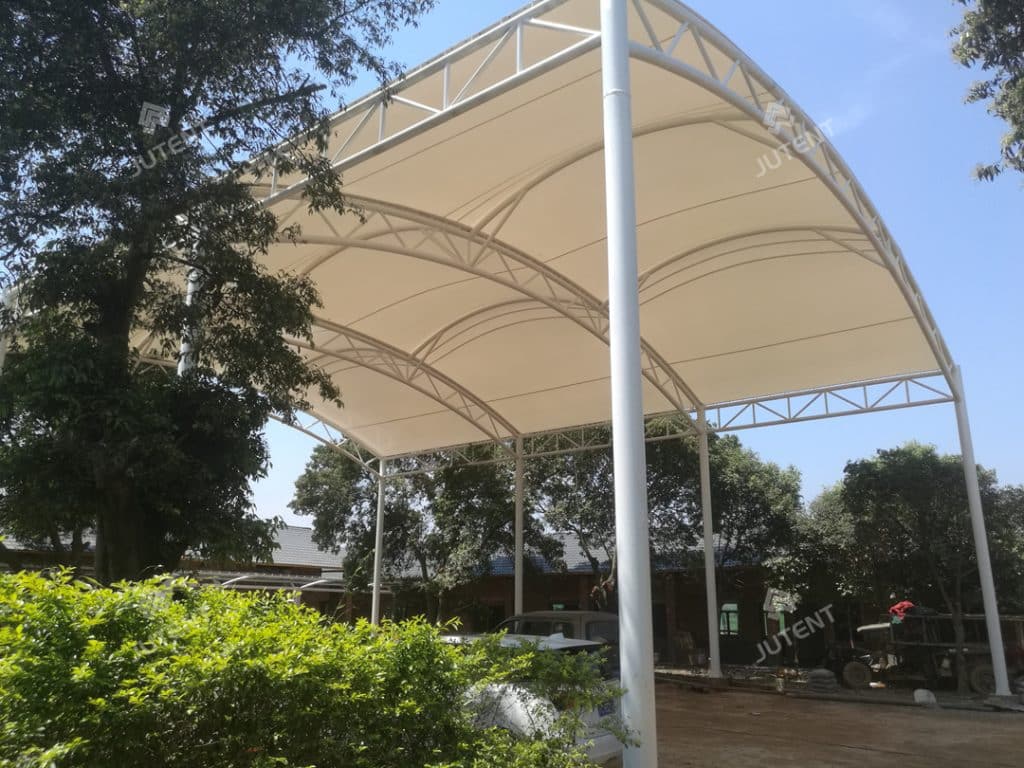
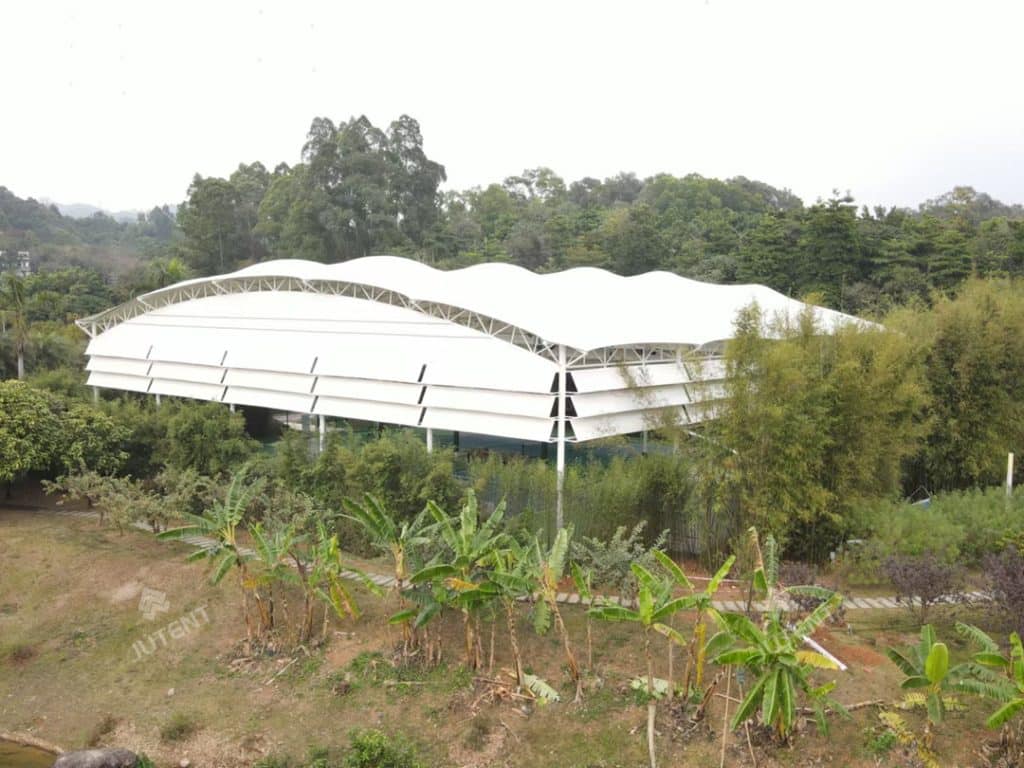
Engineering-Grade Sports Facilities Tensile Membrane Canopies Structures Built for Demanding Climates
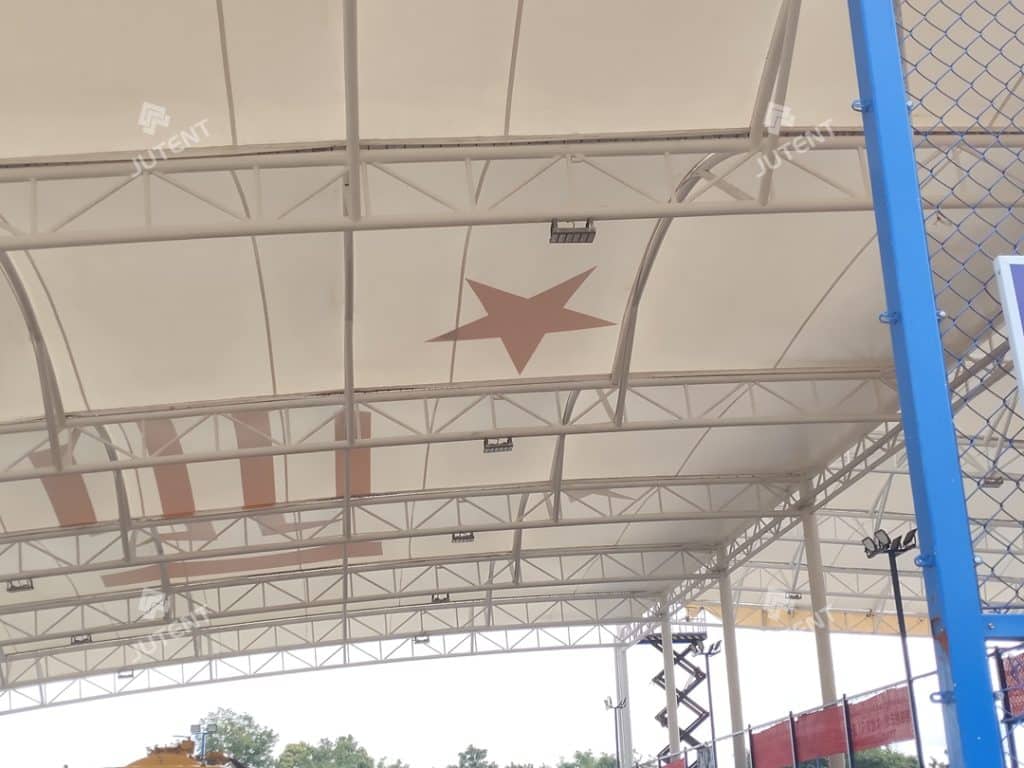
Jutent has delivered sports facility tensile membrane structures to stadiums and athletic venues in 18+ countries since 2014. Every project includes full structural analysis using SAP2000 and 3D3S, with membrane form-finding performed in Easy software.
Common Questions About Sports Facilities Tensile Membrane Canopies Canopies
Technical and commercial questions answered by Jutent's engineering team. For project-specific queries, use the inquiry form.
Our tensile membrane structures are highly versatile and can cover spans reaching up to 80 meters in a single clear span. This capability makes them ideal for large stadium grandstands and multi-court sports facilities that require unobstructed interior space. The exact span is determined by the site-specific wind loads, local climate requirements, and the chosen steel support framework.
Installation speed is a primary benefit of tensile structures. While the timeline depends on the project scale, a standard grandstand canopy installation typically ranges from 4 to 12 weeks after the steel fabrication is complete. Because the membrane panels are pre-fabricated in our controlled factory environment, site assembly focuses primarily on tensioning and steel erection, which is significantly faster than traditional construction methods.
For outdoor sports courts, PVDF-coated polyester is the industry standard. It offers an excellent balance of flexibility, cost-effectiveness, and durability. For projects requiring a lifespan exceeding 25 years or those located in extreme environments, PTFE-coated fiberglass is often the preferred choice due to its non-combustible properties and superior resistance to degradation. We provide technical consultation to help you select the appropriate fabric based on your location and budget.
Yes. Our designs are engineered to handle significant environmental loads. We calculate structural response for wind speeds up to 120 km/h and ensure proper drainage gradients to manage heavy rainfall, preventing water ponding on the membrane surface. All designs undergo rigorous structural analysis to ensure they meet the specific safety codes of the region where the facility is being constructed.
Pricing for a tensile canopy is calculated based on several variables, including total square meterage, local wind/snow load requirements, the complexity of the steel geometry, and the type of membrane material selected. As a manufacturer, we provide custom quotes for every project. By optimizing the structural design during the initial phase, we assist clients in achieving the most cost-efficient layout while maintaining high performance and safety standards.
Ready to Start Your Sports Facilities Tensile Membrane Canopies Project?
Share your project requirements and our engineering team will respond within 24 hours with a preliminary design concept and budget estimate. No commitment required.
- Free structural feasibility review
- Indicative budget within 24 hours
- Factory-direct pricing, no agent markup
- Ships to 30+ countries, DDP available
Request a Free Quote
Response within 24 business hours
In-Depth Guides for Contractors & Specifiers
Practical articles covering cost breakdowns, material selection, and installation considerations for Sports Facilities Tensile Membrane Canopies tensile canopy projects.
Design & Architecture
Material Showdown: PVDF vs. PTFE for Permanent Sports Roofs
Assessing long-term ROI. A technical comparison of dirt resistance, self-cleaning properties, and overall lifespan for high-occupancy athletic venues.
Read Article
Design & Architecture
Engineering the Modern Arena: Why Stadiums Depend on Fabric Tensile Structures
Explore the architectural and engineering advantages of fabric tensile structures for stadiums. Discover how PTFE, PVC, and large-span designs optimize sports venues.
Read Article
Buyer's Guides & Costs
The Contractor's Guide to Sourcing Sports Tensile Shades
Covering tennis and basketball courts requires specialized knowledge. A comprehensive specification guide for selecting durable, high-performance athletic structures.
Read Article
Engineering & Materials
Why Stadium Roofs Act Like Wings: Wind Uplift Calculations
Failing to account for massive wind uplift forces leads to disaster. Learn the non-negotiable engineering calculations required for local council building approvals.
Read Article
Engineering & Materials
Assessing Manufacturing Capacity for Major Public Stadium Builds
Stadium projects cannot afford supply chain failures. A breakdown of the audits, from material traceability to production timelines, needed for vetting.
Read Article
Engineering & Materials
Breaking Down the Budget for Major Stadium Grandstand Canopies
Covering thousands of seats requires massive steel fabrication. How span requirements and advanced coatings drive the total cost of sports architecture.
Read Article
Engineering & Materials
PVDF Membrane Science: Why Standard Cloth Fails Pools
Unpacking the chemistry of aquatic roofs. Discover why specific PVDF coatings are the only way to resist chemical off-gassing and maintain 20-year structural integrity.
Read Article
Design & Architecture
Preventing Water Ponding on Large-Span Sports Court Roofs
A sagging membrane will eventually tear. Learn the critical geometry and tensioning principles engineers use to ensure rapid, effective drainage on massive courts.
Read Article
